
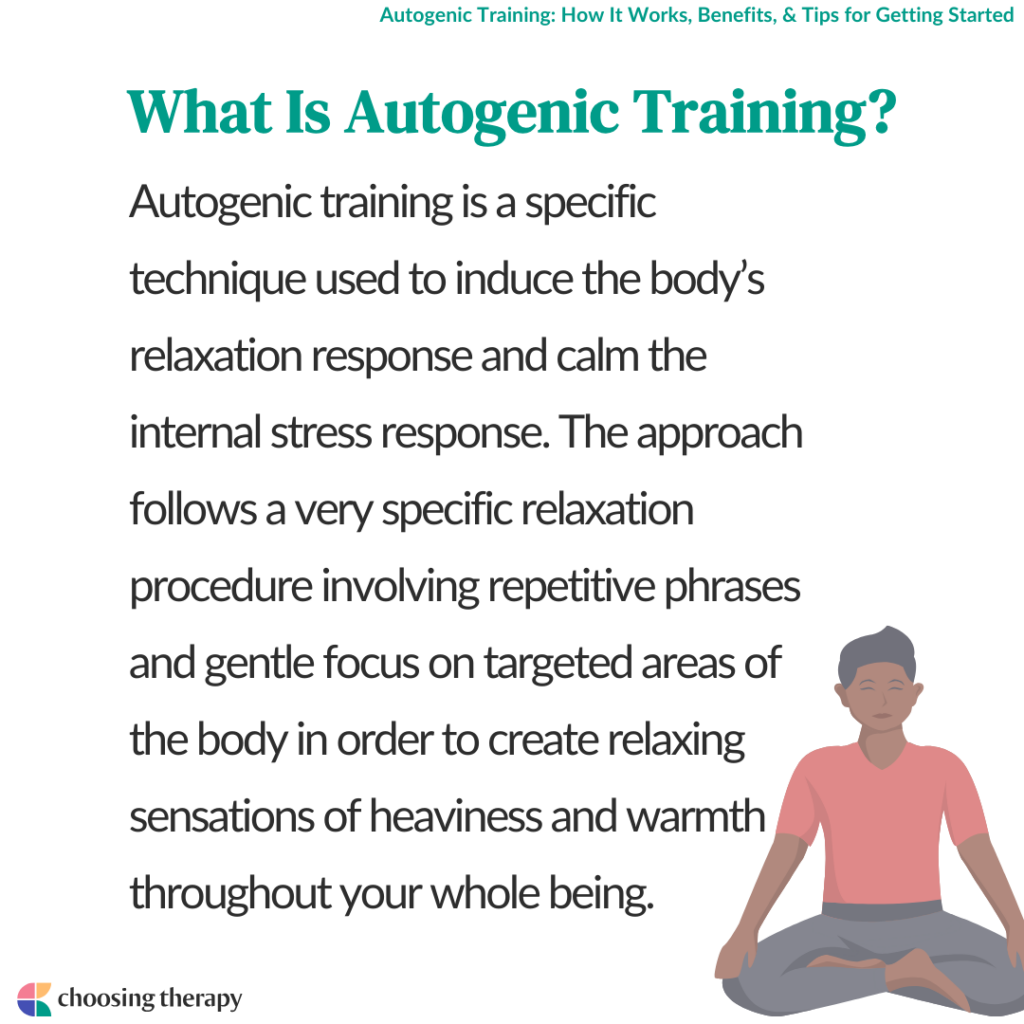
Autogenic training, also known as autogenic therapy, is a powerful technique that uses the power of imagination to induce relaxation and reduce stress. Developed in Western Europe in the 1930s, it has since become a widely used tool for managing anxiety, insomnia, and other mental health conditions. In this article, we will explore the history, benefits, and techniques of autogenic training, providing you with a comprehensive guide to help you harness its power.
A Brief History of Autogenic Training
The concept of autogenic training was first introduced by Johannes Heinrich Schultz, a German neurologist, in his book “Das Autogene Training” (Autogenic Training) in 1932. Since then, the technique has undergone significant development and refinement, becoming a popular method for promoting relaxation, reducing stress, and improving overall well-being.
Schultz’s work was influenced by the principles of biofeedback therapy, which aims to help individuals become aware of their bodily responses to various stimuli and learn to control them. Autogenic training builds upon this concept, using visualization techniques to induce relaxation and reduce physical tension.
How Does Autogenic Training Work?
Unlike other relaxation techniques that rely on external stimuli, such as music or meditation, autogenic training relies solely on the power of imagination to induce relaxation. By focusing on specific body parts and visualizing sensations, individuals can reduce physical tension, calm their minds, and promote a sense of well-being.
The technique works by stimulating the parasympathetic nervous system (PNS), which is responsible for promoting relaxation and reducing stress. The PNS counterbalances the sympathetic nervous system (SNS), which is responsible for the “fight or flight” response. By activating the PNS, autogenic training can help to calm the mind, reduce anxiety, and promote a sense of relaxation.
The Benefits of Autogenic Training
Research has shown that autogenic training can have a significant impact on both physical and mental health. Some of the benefits include:
- Reduced stress and anxiety
- Improved sleep quality
- Enhanced focus and concentration
- Increased feelings of relaxation and calmness
- Better management of chronic pain
The Autogenic Training Program
The autogenic training program consists of six exercises, which are designed to work in sequence to promote relaxation and reduce tension. The first two exercises focus on basic relaxation techniques, while the remaining four exercises target specific areas of the body, such as the respiratory system, heart rate, and blood pressure.
Exercises for Autogenic Training
Here are the six exercises that make up the autogenic training program:
- Body Weight Exercise: Focus on your body weight, visualizing it as a heavy load.
- Heat Exercise: Imagine warmth spreading throughout your body, relaxing your muscles.
- Breathing Exercise: Concentrate on slow, deep breathing, calming your mind and reducing anxiety.
- Heart Rate Exercise: Visualize a decrease in heart rate, promoting relaxation and calmness.
- Navel Exercise: Focus on your navel, visualizing warmth and energy spreading throughout your body.
- Frontal Exercise: Imagine a “frontal” sensation, calming your mind and reducing tension.
Using Autogenic Training for Stress Relief
Autogenic training can be an effective tool for managing stress and anxiety. By focusing on relaxation techniques and visualizing sensations in the body, individuals can reduce physical tension, calm their minds, and promote a sense of well-being.
Common Misconceptions about Autogenic Training
Some people may believe that autogenic training is only for those with mental health conditions or that it’s not suitable for everyone. However, research has shown that autogenic training can be beneficial for anyone looking to reduce stress and anxiety.
In fact, autogenic training can be used by individuals of all ages and backgrounds, from children to seniors. It is also a safe and non-invasive technique that requires no special equipment or medication.
Tips for Effective Autogenic Training
To get the most out of autogenic training, follow these tips:
- Find a quiet, comfortable space where you can relax without distractions.
- Focus on your breath, body weight, heat, breathing, heart rate, navel, and frontal sensations, visualizing each sensation as it happens.
- Start with short sessions (10-15 minutes) and gradually increase the duration as you become more comfortable with the technique.
- Practice autogenic training at least 2-3 times per week, ideally in the morning or before bed.
Overcoming Common Challenges
Autogenic training can be challenging for some individuals, particularly those who are new to relaxation techniques. Here are some common challenges and solutions:
- Difficulty visualizing sensations: Start with simple exercises like focusing on your breath or body weight. Gradually increase the complexity of the exercises as you become more comfortable.
- Distractibility: Find a quiet space where you can relax without distractions. Use earplugs, headphones, or white noise machines to block out external stimuli.
- Physical discomfort: Start with gentle exercises and gradually increase the intensity. If you experience physical discomfort, stop the exercise immediately.
Autogenic Training and Other Relaxation Techniques
Autogenic training can be used in conjunction with other relaxation techniques, such as meditation, yoga, or deep breathing exercises. Experiment with different combinations to find what works best for you.
In conclusion, autogenic training is a powerful technique that can help individuals manage stress, anxiety, and chronic pain. By understanding how the technique works and incorporating it into your daily routine, you can experience the many benefits of autogenic training for yourself.


