
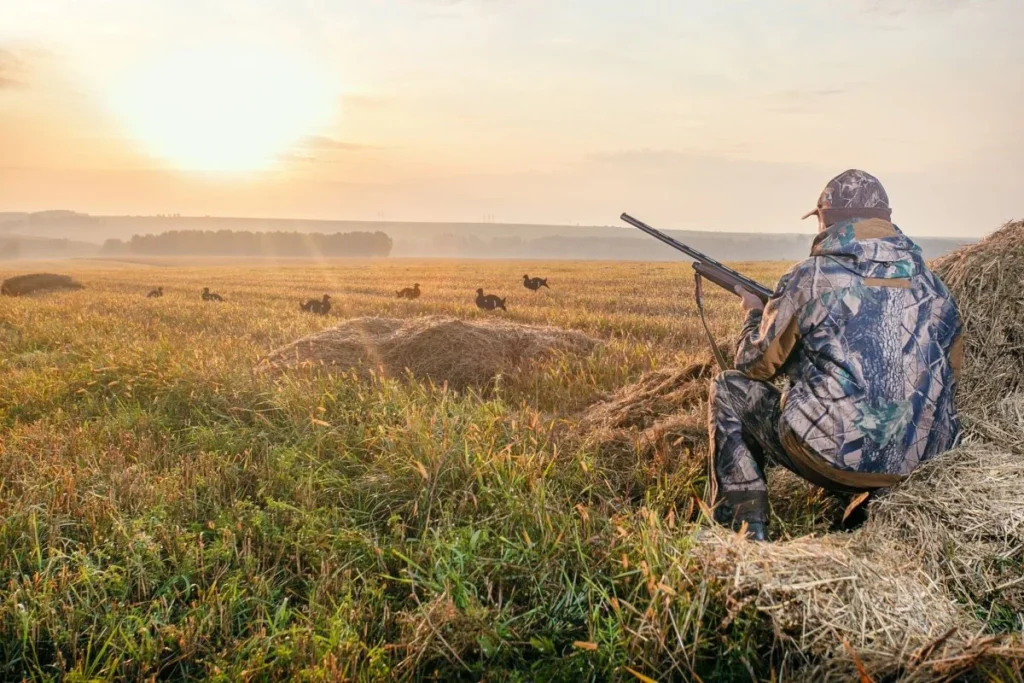
As we go about our daily lives, it’s easy to fall into the trap of misconceptions about hunting and its impact on the environment. The common perception is that hunters are reckless and disrespectful towards nature, but this couldn’t be further from the truth. In this article, we’ll delve into the world of hunting and explore the ways in which it can actually benefit the environment.
The Urbanization Crisis
Before we dive into the world of hunting, let’s take a look at one of its biggest adversaries: urbanization. The expansion of cities and towns is leading to the destruction of natural habitats and the loss of biodiversity. As we build more and more structures, we’re consuming vast amounts of land that could be used for wildlife conservation.
The consequences of urbanization are far-reaching and devastating. Many natural areas are being destroyed or fragmented, making it difficult for animals to migrate, find food, or breed. The loss of habitat can lead to population declines, extinctions, and even the collapse of entire ecosystems.
The Hunting Movement
So, what’s it like to be a hunter? For many people, hunting is not just about killing animals; it’s about living in harmony with nature. Hunters are often seen as stewards of the environment, working tirelessly to protect and preserve wildlife habitats. In fact, many hunters are members of organizations that work to conserve and restore natural areas.
These organizations, such as Ducks Unlimited and The Nature Conservancy, employ a range of strategies to promote conservation and sustainability. They work with landowners, government agencies, and local communities to identify areas of high conservation value and develop plans to protect them.
Debunking the Myths
One of the biggest misconceptions about hunting is that it’s cruel and inhumane. But what if I told you that hunting can be just as humane as eating meat from a supermarket? After all, when we buy meat, we’re supporting large-scale industrial farming practices that often involve overcrowding and mistreatment of animals.
Hunting, on the other hand, involves a much more personal connection with the animal being hunted. Hunters typically know their quarry well, understanding its behavior, habitat, and life cycle. This intimate knowledge allows them to make a quick and humane kill, reducing suffering and stress for the animal.
In addition, many hunting regulations require hunters to follow strict protocols for humanely killing animals. These guidelines ensure that the animal is put down quickly and painlessly, minimizing suffering and distress.
The Similarity Between Hunting and Fishing
So, what’s the difference between hunting and fishing? At first glance, it may seem like there is none. Both activities involve taking life from a living creature, but hunting involves more than just catching fish or birds; it involves understanding the habitat, the animal’s behavior, and the delicate balance of the ecosystem.
Fishing, in particular, has become an increasingly popular recreational activity. While it can be a fun and relaxing way to spend time outdoors, it often raises concerns about overfishing and the impact on marine ecosystems. However, responsible fishing practices can help mitigate these issues.
The Benefits of Hunting
So, what are the benefits of hunting? For one, it helps to maintain healthy populations of wildlife. When animals are hunted in moderation, their populations remain balanced, which can lead to a more diverse range of species in an ecosystem. Additionally, hunting can help control invasive species that might otherwise outcompete native wildlife.
Hunting also plays an important role in maintaining the balance of ecosystems. By controlling predator and prey populations, hunters can help maintain the delicate balance between species. This has significant benefits for biodiversity, as well as for the overall health of ecosystems.
Hunting as a Tool for Conservation
Many hunters are also passionate about conservation. They work tirelessly to protect and restore natural areas, often collaborating with government agencies and other organizations to achieve their goals. By supporting these efforts, we can all play a role in preserving the beauty and wonder of the natural world.
In fact, many hunting organizations are actively involved in conservation initiatives, such as habitat restoration and species management. These efforts not only benefit wildlife populations but also contribute to the overall health of ecosystems.
Case Studies: Hunting’s Role in Conservation
There are countless examples of how hunting has contributed to conservation efforts. One notable example is the reintroduction of wolves to Yellowstone National Park. By controlling elk populations, hunters helped to restore balance to the ecosystem and promote biodiversity.
Similarly, in Africa, many hunting organizations are working to protect and conserve endangered species such as rhinos and elephants. By supporting these efforts, we can help ensure the long-term survival of these incredible animals.
Conclusion
In conclusion, hunting is not just about killing animals; it’s about living in harmony with nature. When done responsibly and with respect for the environment, hunting can be a powerful tool for conservation. So next time you see someone heading out into the woods with a rifle or a net, remember that they’re not just taking lives – they’re helping to preserve the beauty of our planet.
Frequently Asked Questions
Q: Is hunting cruel and inhumane?
A: Not necessarily. When done responsibly, hunting can be just as humane as eating meat from a supermarket. However, large-scale industrial farming practices often involve overcrowding and mistreatment of animals, which can make hunting seem more appealing by comparison.
Q: How does hunting affect the environment?
A: Hunting can have both positive and negative effects on the environment. When done in moderation, hunting can help to maintain healthy populations of wildlife and control invasive species. However, overhunting or poor hunting practices can lead to population declines and ecosystem disruption.
Q: Can hunting be beneficial for conservation efforts?
A: Yes! Many hunters are passionate about conservation and work tirelessly to protect and restore natural areas. By supporting these efforts, we can all play a role in preserving the beauty and wonder of the natural world.
Q: What’s the difference between hunting and fishing?
A: At first glance, there may not seem like much difference between hunting and fishing. However, hunting involves more than just catching fish or birds; it involves understanding the habitat, the animal’s behavior, and the delicate balance of the ecosystem.
Q: Can anyone benefit from hunting for environmental reasons?
A: Absolutely! Whether you’re a seasoned hunter or just starting out, there are many ways to get involved in conservation efforts. From volunteering with local wildlife organizations to participating in citizen science projects, everyone can play a role in preserving our planet’s natural beauty.
Q: Is hunting regulated and controlled?
A: Yes, hunting is heavily regulated and monitored in most countries. This ensures that hunting practices are sustainable and do not harm the environment or wildlife populations.
Q: Can hunting be beneficial for specific ecosystems?
A: Yes! Hunting can play an important role in maintaining healthy populations of certain species, particularly those that are threatened or endangered. By controlling invasive species or maintaining population balances, hunters can help to preserve the delicate balance of ecosystems.


