
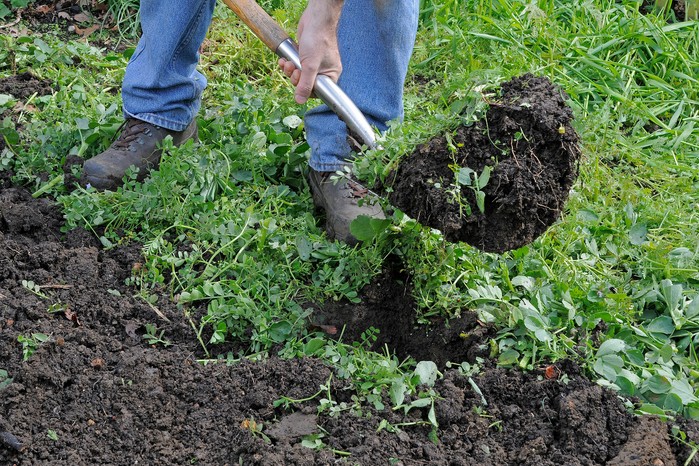
As gardeners, we all know the importance of creating a healthy soil ecosystem. But have you ever wondered how to create a thriving compost pile that will provide your plants with the nutrients they need? In this article, we’ll take a closer look at the art of composting and provide a step-by-step guide on how to make compost in your own backyard.
Understanding Composting
Composting is the process of breaking down organic materials like food scraps, leaves, and grass clippings into a nutrient-rich soil amendment. This process is essential for creating a healthy soil ecosystem because it helps to recycle nutrients, reduce waste, and support biodiversity.
There are several types of composting methods, but one of the most popular is green manure composting. Green manure composting involves adding green materials like grass clippings and vegetable scraps to your compost pile and allowing them to break down into a nutrient-rich soil amendment.
Choosing the Right Compost Materials
When it comes to composting, the quality of your materials matters. Here are some tips for choosing the right compost materials:
- Green materials: Grass clippings, vegetable scraps, fruit and vegetable peels, coffee grounds, and tea bags
- Brown materials: Leaves, straw, shredded newspaper, cardboard, and wood chips
The ideal mix of green and brown materials is typically 2/3 brown materials to 1/3 green materials. However, this ratio can vary depending on the specific composting method you’re using.
Creating a Compost Pile
Once you have your compost materials, it’s time to create a compost pile. Here are some tips for creating a healthy compost pile:
- Choose a location: Look for a spot that is well-ventilated and receives partial shade.
- Layer the materials: Start by adding a layer of brown materials, followed by a layer of green materials. Repeat this process until your pile is the desired height.
- Maintain moisture: Keep your compost pile moist, but not soggy. A general rule of thumb is to add water as needed to maintain a consistency like a damp sponge.
The Importance of Carbon-to-Nitrogen Ratio
One of the most critical factors in composting is the carbon-to-nitrogen (C:N) ratio. This ratio refers to the proportion of carbon-rich materials (like leaves and straw) to nitrogen-rich materials (like grass clippings and vegetable scraps). A good C:N ratio is typically around 25:1.
Monitoring and Maintaining Your Compost Pile
As your compost pile breaks down, it’s essential to monitor its progress and make adjustments as needed. Here are some signs that your compost pile is healthy:
- Smell: A healthy compost pile should have a earthy or slightly sweet smell.
- Temperature: The temperature of your compost pile should be between 130°F and 140°F (54°C to 60°C).
- Moisture: Keep your compost pile moist, but not soggy.
The Benefits of Composting
Composting is an essential practice for gardeners because it provides several benefits, including:
- Nutrient-rich soil: Compost adds nutrients and organic matter to the soil, improving its structure and fertility.
- Reduced waste: Composting reduces the amount of waste sent to landfills, which helps to conserve natural resources and reduce greenhouse gas emissions.
- Supports biodiversity: Compost provides a habitat for beneficial microorganisms, which support biodiversity and ecosystem health.
Tips and Tricks
Here are some additional tips and tricks to help you create a thriving compost pile:
- Add bulking agents: Add materials like straw or shredded newspaper to your compost pile to improve its structure and facilitate decomposition.
- Avoid adding meat and dairy products: These can attract pests and create odors in your compost pile.
- Mix it up: Regularly turn and mix your compost pile to ensure that everything breaks down evenly.
- Use a compost thermometer: Monitor the temperature of your compost pile using a compost thermometer to ensure that it’s within the optimal range.
Conclusion
Composting is an essential practice for gardeners because it provides several benefits, including nutrient-rich soil, reduced waste, and support for biodiversity. By following these steps and tips, you can create a healthy compost pile that will provide your plants with the nutrients they need to thrive.
Frequently Asked Questions
Here are some frequently asked questions about composting:
Q: What are the benefits of composting?
A: Composting provides several benefits, including nutrient-rich soil, reduced waste, and support for biodiversity.
Q: How often should I add new materials to my compost pile?
A: The frequency at which you add new materials to your compost pile depends on the specific composting method you’re using. Generally, it’s best to add a mix of green and brown materials every week or two.
Q: Can I use any type of material for composting?
A: No, not all materials are suitable for composting. Avoid adding meat, dairy products, oils, and pet waste to your compost pile because they can attract pests and create odors.
Q: How long does it take for my compost pile to break down?
A: The time it takes for your compost pile to break down depends on several factors, including the temperature of your pile, the carbon-to-nitrogen ratio, and the type of materials you’re using. Generally, a healthy compost pile can take anywhere from 2-6 months to break down.
Q: Can I use my compost directly in my garden?
A: Yes, you can use your compost directly in your garden once it’s broken down into a fine, crumbly texture. However, it’s essential to mix the compost with soil to avoid creating an overabundance of nutrients.
Q: Is composting difficult?
A: No, composting is not difficult. With a little patience and effort, you can create a healthy compost pile that will provide your plants with the nutrients they need to thrive.
Q: Can I compost at home?
A: Yes, you can compost at home using a simple compost bin or by creating a pile in your backyard. Composting is an essential practice for gardeners because it provides several benefits and helps to conserve natural resources.


