
Sustainable Egg Production: The Story of a Community-Led Biopoultry
As we delve into the world of sustainable egg production, one innovative project stands out – a community-led biopoultry that showcases the power of collaboration and commitment to environmental responsibility. In this article, we’ll explore the story behind this remarkable initiative, highlighting its unique features, challenges, and benefits.
The Birth of a Community-Led Biopoultry
In the early stages of the project, two organizations – an organic farm and a solidarity group – came together to create a biopoultry that would produce high-quality eggs while promoting social and environmental sustainability. The third key player in this endeavor was an Onlus association, which brought on board young individuals with disabilities, giving them a sense of purpose and involvement.
The partnership between these three organizations not only addressed the need for sustainable egg production but also created a supportive environment for people with disabilities to participate in farm activities. This initiative demonstrates that even small-scale biopoultry operations can be designed to benefit multiple stakeholders and contribute positively to the local community.
The Structure and Operations
So, how is this biopoultry designed to meet the needs of its inhabitants? The structure consists of two wooden buildings, each equipped with:
- 16 nesting boxes accessible through an external door
- 6 feeding troughs supplied with organic feed from outside
- 2 waterers
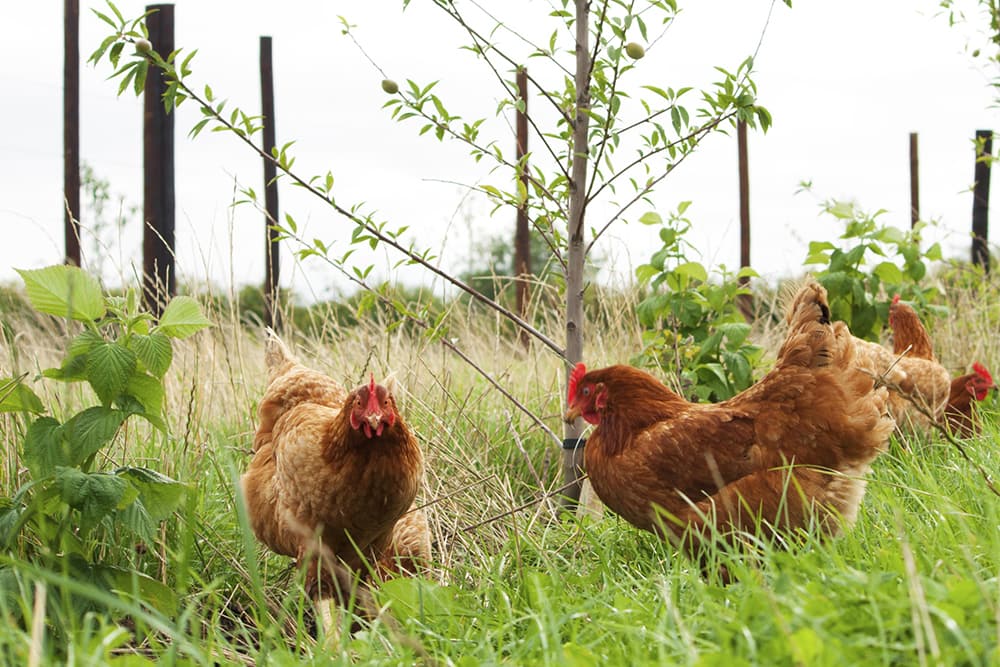
The exterior space allows the chickens to roam freely and graze on fresh grass. A paved area is allocated for cleaning purposes.
The open layout of the biopoultry encourages natural behaviors in the chickens, such as scratching and pecking at the ground, which helps maintain their overall health and well-being. By incorporating elements like nesting boxes, feeding troughs, and waterers, these structures provide an optimal environment for the chickens to thrive in.
Weekly Cleaning and Maintenance
A crucial aspect of this biopoultry’s success lies in its regular maintenance routine. Every morning, a team of volunteers from the Onlus association and the organic farm open the biopoultry, refill feeders and waterers, and clean out the nesting boxes. In the evening, the members of the solidarity group close up shop, ensuring that all chickens are safely inside.
This daily routine not only ensures cleanliness but also allows for the proper management of the chicken’s living conditions. Regular maintenance helps to prevent diseases, maintain a healthy environment, and promotes overall animal welfare.
Collaboration and Cost-Sharing
One of the most remarkable features of this project is its reliance on collaboration and cost-sharing among its stakeholders. The costs are split equally between the organic farm and the solidarity group, making it a truly democratic initiative.
By working together, these three organizations have not only created a sustainable biopoultry but also fostered a sense of community and shared responsibility. This model highlights the potential for collaborative approaches to sustainable development, demonstrating that even small-scale projects can drive positive change in their respective communities.
Additional Resources
For those interested in learning more about sustainable egg production, we recommend exploring our section on chicken-keeping. Here, you’ll find articles on raising chickens, tips for building a biopoultry, and advice on selecting high-quality eggs.
Some recommended resources include:
- Chicken keeping guides
- Biopoultry design tutorials
- Sustainable agriculture courses


