
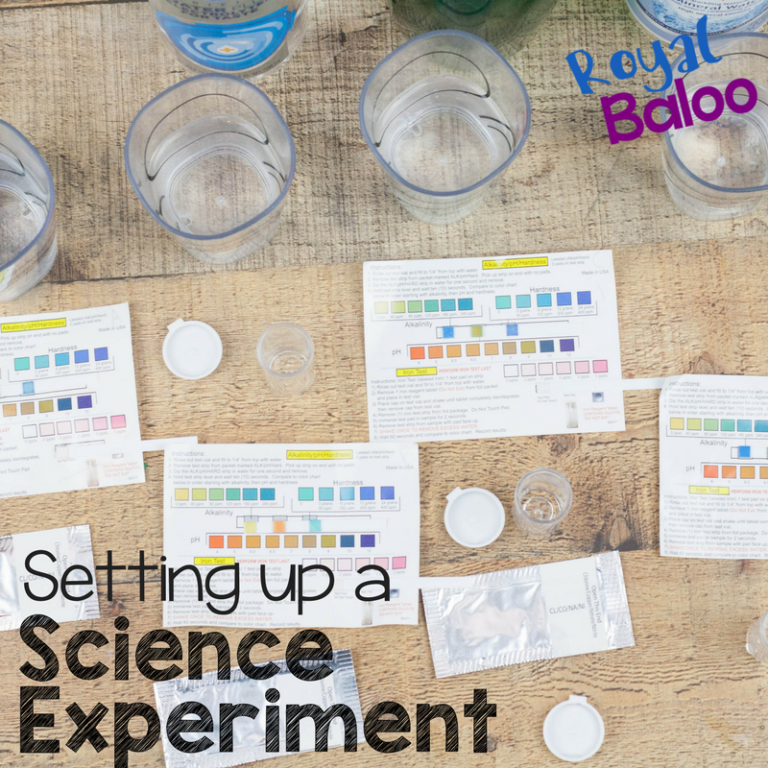
As you may know, analyzing drinking water yourself doesn’t require spending a fortune or earning a chemistry degree. There are many kits available on the market that make it easy to test your tap water.
One such kit is offered by Fem2 Ambiente, an offshoot of the University of Milan-Bicocca. This self-contained kit allows you to perform classic tests on your drinking water, including:
- Chloride content
- Sulfate analysis
- Nitrate and nitrite levels
- Water hardness (how much calcium is present in the water?)
- pH
Qualitative Analysis: A Quick Test
A qualitative test will allow you to analyze your tap water with a few simple moves.
Before conducting the test, it’s essential to note that nitrates are typically present in drinking water, even in potable water. In Italy, the maximum allowed concentration of nitrates in potable water is 50 mg/L. However, nitrates can be converted into nitrites in our bodies, which can lead to carcinogenic compounds.
Nitrate conversion happens when we ingest nitrates from tap water or other food sources, and around 20% of that nitrate may be transformed into nitrite. Nitrites can then combine with stomach acid to form N-nitrosamines, which are considered cancer-causing agents.
Before worrying about potential health risks, it’s worth noting that the American Research Institute (AIRC) has not yet established a definitive link between nitrates in tap water and increased cancer risk.
To ensure the quality of your drinking water, the law sets maximum allowed values for other parameters besides nitrate levels. These limits include:
- pH: 6.5-9.5
- Nitrates: ≤50 mg/L
- Nitrites: ≤0.5 mg/L
- Chlorides: ≤250 mg/L
- Sulfates: ≤250 mg/L
- Water hardness: recommended between 15°F and 50°F
While the water hardness parameter is a guideline, rather than a strict regulation, it can still be useful if you’re experiencing issues with calcification in your pipes.
How Do Self-Analysis Kits Work?
The self-analysis kit developed by the University of Milan-Bicocca uses colorimetric strips. These strips change color when exposed to specific substances dissolved in water. The kit includes five different colorimetric strips for testing:
- Chloride content
- Sulfate analysis
- Nitrate and nitrite levels
- Water hardness
Conducting the Self-Analysis Test
To perform the test, follow these steps:
- Fill 5 test tubes with your tap water.
- Dip each test tube into a different colorimetric strip.
- Wait for a few seconds and observe the resulting colors.
- Compare the colors in the test tube to those shown on the kit’s reference chart.
Where Can You Buy Self-Analysis Kits?
You can purchase these self-analysis kits online through:
1) Kit Monouso Analisi Qualità Acqua Domestica: €32.90 (includes two kits). Suitable for testing tap water before and after installing a filtration system.
2) Kit Monouso Analisi Qualità Acqua Domestica: €21.90 (single kit).
Tips and Precautions
Before using the self-analysis kit, make sure to:
- Read the instructions carefully
- Use fresh water samples
- Store your test tubes in a cool, dry place
- Avoid contamination by touching or exposing the strips to external substances
It’s also essential to understand that colorimetric strips may not provide accurate results for all parameters. If you have concerns about the quality of your drinking water, it’s recommended to consult with a professional or use additional testing methods.
Common Mistakes
When conducting self-analysis tests, be aware of these common mistakes:
- Using old or contaminated test tubes
- Not following the manufacturer’s instructions carefully
- Failing to compare the results to the reference chart correctly
By being mindful of these potential pitfalls and following the guidelines outlined in this article, you can ensure accurate and reliable results when testing your drinking water with a self-analysis kit.
Conclusion
Self-analysis kits can be an effective way to test your drinking water quality without breaking the bank or earning a degree in chemistry. By following these simple steps and guidelines, you can gain insight into your tap water’s pH level, nitrate content, and overall health.
Feel free to ask us your questions about self-analyzing your drinking water using kits like this one!
FAQs
-
How often should I test my drinking water?
Regularly testing your tap water is recommended, especially if you’re planning to install a filtration system or notice any unusual changes in the taste or color of your water. -
What’s the maximum allowed concentration of nitrates in potable water?
In Italy, the maximum allowed concentration of nitrates in drinking water is 50 mg/L. -
Can I convert nitrate to nitrite in my body?
Yes, approximately 20% of ingested nitrates can be converted into nitrites within your body. -
Are N-nitrosamines carcinogenic?
N-nitrosamines are considered potential carcinogens and have been linked to various types of cancer. -
What is the recommended pH range for drinking water?
The ideal pH range for drinking water is between 6.5 and 9.5, although it may vary depending on personal preferences. -
Can self-analysis kits detect other contaminants in tap water?
While colorimetric strips are useful for detecting certain parameters like nitrates, they might not be effective for identifying other types of contaminants, such as bacteria or heavy metals. -
How do I maintain the accuracy and reliability of my test results?
To ensure accurate test results, follow the manufacturer’s instructions carefully, use fresh water samples, and store your test tubes in a cool, dry place to prevent contamination.
-
Can self-analysis kits be used for other types of testing, such as water hardness or turbidity?
While some colorimetric strips may be able to detect water hardness, other parameters like turbidity might require specialized equipment or additional tests. -
Are there any health risks associated with consuming tap water containing high levels of nitrates?
Consuming large amounts of nitrates from contaminated tap water can lead to nitrate toxicity, which may cause symptoms such as nausea, vomiting, and dizziness.
- Can I use self-analysis kits for testing pool or swimming-pool water?
While colorimetric strips might be suitable for detecting certain parameters in swimming-pool water, they may not provide accurate results for other contaminants like bacteria or viruses.


