
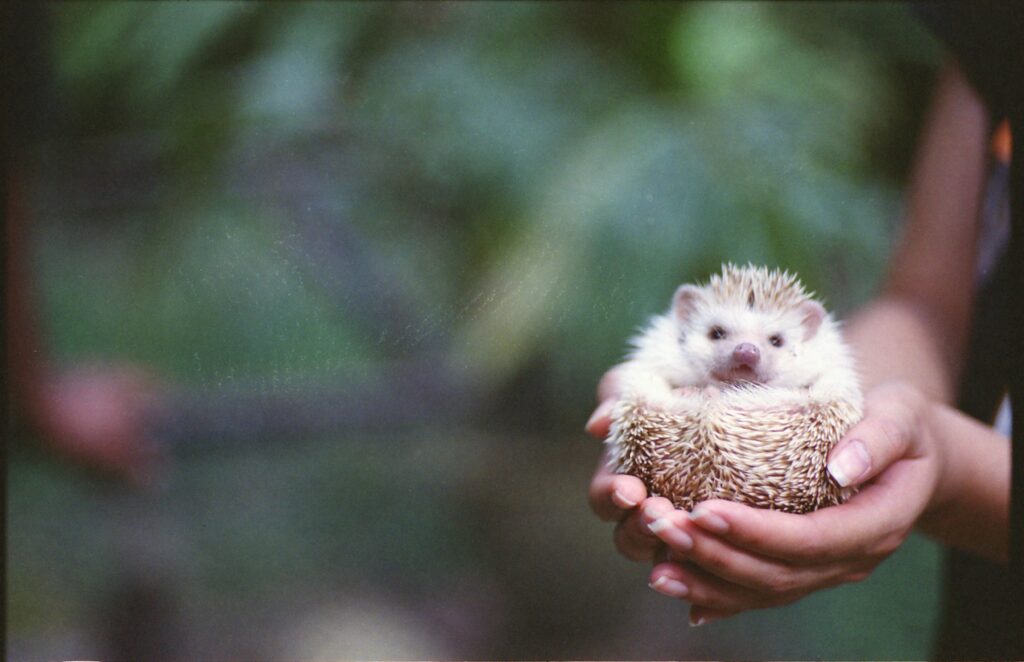
If you’re looking for an unusual pet that’s gaining popularity among animal enthusiasts, the African hedgehog might be the perfect choice. However, it’s essential to understand its characteristics, needs, and potential drawbacks before deciding to bring one home.
What is an African Hedgehog?
The African hedgehog’s scientific name is Ateelerix albiventris, and it’s a type of exotic pet that’s widely available in various countries, including Italy, the UK, North America, and Spain. Unlike its European cousin, the European hedgehog (Erinaceus europaeus), which is considered a protected species, the African hedgehog is legal to keep as a pet.
Origin and Variations
African hedgehogs originated in Africa, but they’re now bred in various countries for the pet trade. They come in different colors, such as albino, chocolate, piebald, and cinnamon, with some breeds featuring unique characteristics like odd-eyed or spotted faces.
Does an African Hedgehog Smell?
One common question about hedgehogs is whether they smell. The answer is yes, but not excessively. Like other animals, hedgehogs have a natural scent that’s often compared to musk or catnip. However, this smell can be more pronounced if they eat certain foods, such as insects or strong-smelling fruits.
Diet and Nutrition
African hedgehogs are insectivores in the wild, but when kept as pets, they can thrive on a diet of commercial hedgehog food, supplemented with occasional treats like tarmine flour, mealworms, crickets, or small amounts of honey. Avoid overfeeding, as this can lead to obesity and other health issues.
Characteristics
African hedgehogs have unique personalities that set them apart from other pets. Here are some key characteristics:
- Solitary animals: They don’t enjoy social interaction with humans or other hedgehogs.
- Nocturnal: Hedgehogs are most active at night, so they may sleep during the day and be more playful in the evening.
- Territorial: They can become territorial if their environment is not provided with adequate space and stimulation.
Price
The price of an African hedgehog varies depending on factors like color, sex, age, and breeder reputation. Expect to pay between €70 and €150 for a live hedgehog, while a high-quality peluche version can be purchased online for around €15.
Housing Requirements
African hedgehogs require a spacious enclosure that provides adequate ventilation, temperature control (min 20/22°C), and humidity levels. They need regular exercise outside of their cage to stay healthy and happy. A minimum size of 40 x 30 cm is recommended, with a solid bottom to prevent digging.
Health and Hygiene
Regular health checks are crucial for maintaining the well-being of your hedgehog. Monitor their appetite, stool quality, and overall activity levels. Clean the cage regularly, and ensure that food and water dishes are cleaned daily. Provide a shallow dish of fresh water and a hiding place or two to help reduce stress.
Conclusion
African hedgehogs can make unique and engaging pets for the right owner. However, they require proper care, attention to detail, and a commitment to providing a suitable environment. If you’re willing to invest time and resources into caring for an African hedgehog, it can be a rewarding experience that brings joy and companionship.
Frequently Asked Questions
- Are African hedgehogs suitable for children?
- Hedgehogs are generally not recommended for young children due to their prickly nature and potential biting behavior.
- Can I keep multiple African hedgehogs together?
- It’s not recommended to keep multiple hedgehogs in the same enclosure, as they can fight and cause harm to each other.
- How often should I clean my hedgehog’s cage?
- Clean the cage at least once a week, removing soiled bedding, disinfecting food and water dishes, and replacing any dirty materials.
- Can I take my African hedgehog for a walk on a leash?
- Hedgehogs are not suitable for walking on leashes due to their small size and potential escape risks.
- How long do African hedgehogs live in captivity?
- With proper care, African hedgehogs can live up to 8-10 years in captivity, but this may vary depending on individual factors like diet and environment.
By understanding the needs and characteristics of an African hedgehog, you can make an informed decision about whether this unique pet is right for you.


