
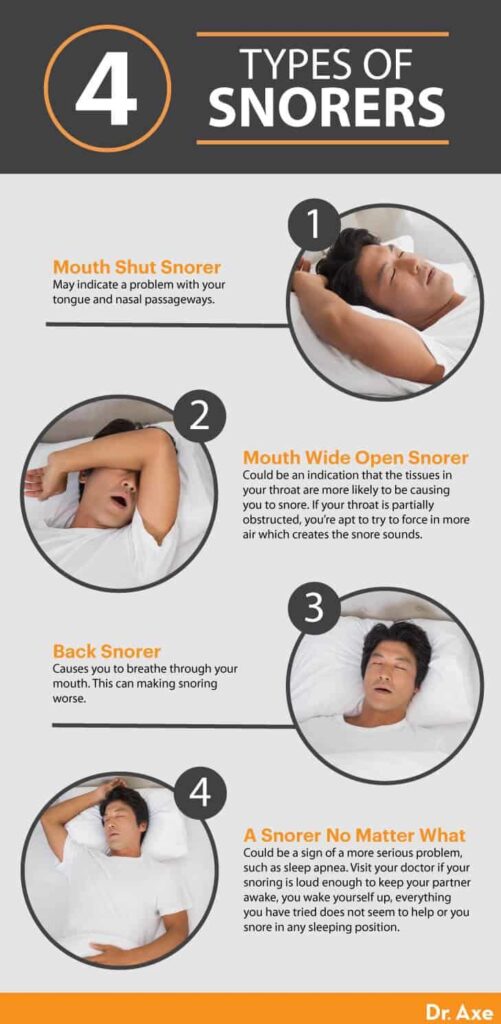
Sleep apnea is a common sleep disorder that can significantly impact the quality of life. Snoring is often a precursor to this condition, and understanding its causes and potential solutions is crucial. In this article, we’ll explore the various reasons behind snoring, discuss surgical interventions, and introduce natural remedies that can help you stop snoring for good.
What is Sleep Apnea?
Sleep apnea is a syndrome characterized by intermittent snoring, often accompanied by breathing difficulties or poor sleep quality. In severe cases, it is associated with true night-time apneas, which can lead to fragmented sleep and reduced oxygen levels in the blood. Understanding the causes of sleep apnea will help you identify potential solutions.
Causes of Sleep Apnea
The primary cause of sleep apnea is related to an anatomical factor involving the loss of muscle tone in the soft palate and uvula. During breathing, a tense muscle can block the airway, producing the characteristic snoring sound. This phenomenon occurs due to:
- Genetic predisposition: Snoring can run in families.
- Overweight or obesity: Excess weight can cause fat deposits to accumulate around the mouth and throat, leading to obstruction of the airway.
- Sleep position: Sleeping on one’s back can cause the tongue and soft palate to relax, blocking the airway.
- Nasal congestion: Congestion in the nasal passages can lead to mouth breathing, which increases the likelihood of snoring.
Solutions and Treatments for Sleep Apnea
Several solutions can help alleviate sleep apnea symptoms:
Chirurgical Solutions
A definitive solution to stop snoring involves surgery. The surgical procedure aims to mitigate the obstruction by restoring correct ventilation in the nasal passages.
Some common surgical interventions include:
- Adenoidectomy and tonsillectomy: These procedures are effective in treating children with enlarged adenoids and tonsils.
- Septoplasty: This procedure addresses nasal septum obstructions.
- Turbinate reduction: This procedure reduces turbinate bone size to improve airflow.
- “Tend-and-pack” procedure: A simple, reversible intervention that can be performed in an outpatient setting.
Anti-Snoring Mouthpieces
Mechanical devices can facilitate airflow and prevent vibrations that produce the snoring sound. Custom-fit mouthpieces are ideal but come at a higher cost. Universal or auto-modeling bites are also available, although their effectiveness varies depending on individual anatomy.
Some popular options include:
- Twin Bite anti-snoring mouthpiece: A highly recommended device with a price tag around €86.
- PureSleep: A less expensive option that has been featured in TV programs.
Nasal Strips for Snoring
Nasal strips can reduce nasal congestion and promote breathing through the nose. This method is effective when the snoring issue is related to nasal obstructions. The same principle applies to silicone devices inserted into the nostrils to stretch the nostrils and reduce friction on airflow from the throat.
These products are available at pharmacies or online, offering a convenient solution for those who prefer to try this approach before moving on to more invasive methods.
Exercise for Stopping Snoring
Exercises that target muscle tension and incorrect breathing can improve sleep quality. Yoga is particularly beneficial in reducing stress levels and maintaining relaxation during sleep. Specific poses like Simha Garjanasana (Roaring Pose) and Ujjayi Pranayama (Hissing Pose) may help alleviate snoring.
Natural Remedies for Snoring
Other natural remedies can enhance sleep quality and aid in stopping snoring. Essential oils or perfumes made with eucalyptus, thyme, and peppermint oil are recommended. For more information on how to use these products, read the article titled “Stop Snoring: Natural Remedies”.
Surgical Solutions: A More Invasive Approach
While anti-snoring mouthpieces and nasal strips can provide relief for some individuals, surgical interventions may be necessary for those with severe or persistent snoring issues. These procedures can help restore normal breathing patterns and improve overall sleep quality.
Some common surgical solutions include:
- Uvulopalatopharyngoplasty (UPPP): This procedure involves the removal of excess tissue in the throat to widen the airway.
- Radiofrequency ablation: A minimally invasive procedure that uses heat to reduce the size of the nasal passages and promote breathing.
Surgical Risks and Complications
While surgical interventions can be effective, they also come with risks and complications. These may include:
- Bleeding or infection: As with any surgery, there is a risk of bleeding or infection.
- Nerve damage: Nerve damage can occur during the procedure, leading to numbness or tingling in the face or throat.
- Respiratory problems: Some individuals may experience respiratory problems after surgery, such as chronic coughing or wheezing.
Natural Remedies: A Safer Alternative
While surgical interventions can be effective, natural remedies offer a safer alternative for those who prefer to avoid invasive procedures. These remedies can help improve sleep quality and alleviate snoring symptoms.
Some popular natural remedies include:
- Essential oils: Essential oils like eucalyptus, thyme, and peppermint oil can promote relaxation and improve breathing.
- Herbal supplements: Herbal supplements like valerian root and melatonin can help regulate sleep patterns and reduce snoring.
- Dietary changes: Dietary changes, such as reducing alcohol consumption or avoiding spicy foods, can help alleviate snoring symptoms.
Conclusion
Stopping snoring for good requires a comprehensive approach that addresses both anatomical factors and lifestyle habits. By understanding the causes of sleep apnea, exploring surgical interventions, and incorporating natural remedies into your daily routine, you can enjoy better sleep quality and reduce the risk of related health complications.
FAQs
- Q: Can I stop snoring just by losing weight?
A: While weight loss can help alleviate some snoring issues, it’s not a guaranteed solution for everyone. - Q: Are anti-snoring mouthpieces effective?
A: Custom-fit mouthpieces are generally more effective than universal or auto-modeling bites. - Q: Can nasal strips really help with snoring?
A: Yes, but only if the problem is related to nasal congestion. - Q: How do I choose the right anti-snoring mouthpiece?
A: Consider consulting a healthcare professional for guidance on selecting the best option. - Q: Are there any natural remedies that can help stop snoring?
A: Yes, essential oils or perfumes made with eucalyptus, thyme, and peppermint oil are recommended. - Q: Can I try nasal strips before moving on to more invasive methods?
A: Yes, it’s worth exploring this approach before considering surgery or other treatments. - Q: How long does it take to see results from anti-snoring mouthpieces?
A: Results may vary depending on individual factors and the effectiveness of the device.


