
Understanding Prolotherapy: A Natural Treatment for Joint Pain
Prolotherapy is a lesser-known treatment that can bring relief to individuals suffering from joint pain, particularly those with damaged tendons, ligaments, or joints. While it’s not a cure-all, this natural approach may be worth exploring.
What is Prolotherapy?
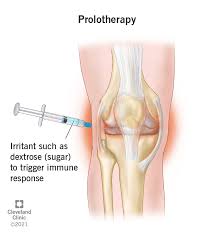
Prolotherapy involves stimulating the body’s natural healing processes to repair and strengthen damaged tissues in the joints. By introducing a small amount of glucose solution (15% or 25%) with local anesthesia into the affected area, prolotherapy aims to activate the immune system’s response, promoting the growth of new fibers to reinforce weakened structures.
How Does Prolotherapy Work?
The process involves injecting a micro-quantity of glucose solution and anesthetics directly into the damaged areas. This localized irritation stimulates the body’s natural healing mechanisms, which then generate new tissue to repair and strengthen the affected joints.
Benefits of Prolotherapy
Prolotherapy primarily targets joint pain, especially in areas such as:
- Knees
- Hips
- Ankles
- Feet
- Elbows
- Shoulders
It can also be used to treat other conditions, including cervicalgia (neck pain), lumbalgia (lower back pain), and metatarsalgie (foot pain). Prolotherapy has shown effectiveness in treating:
- Chronic pain: Relieving persistent pain in joints.
- Inflammation: Reducing inflammation in affected areas.
- Trauma: Repairing damage from injuries or overuse.
Effectiveness of Prolotherapy
While prolotherapy can be effective, its success depends on individual factors, such as overall health and nutritional deficiencies that might hinder the healing process.
Contraindications for Prolotherapy
While generally considered safe, there are certain conditions where prolotherapy may not be recommended:
- Severe inflammation: If the affected area is severely inflamed, it may be challenging to treat effectively with prolotherapy.
- Infectious diseases: Individuals with active infections should avoid undergoing prolotherapy until their condition has been fully treated and resolved.
- Active cancer: Prolotherapy is not recommended for individuals with active cancer, as the treatment may potentially interact with chemotherapy or other treatments.
Potential Side Effects
Prolotherapy is generally considered safe, but minor side effects might occur, such as:
- Local redness: Mild inflammation at the injection site
- Temporary pain: Mild discomfort after the treatment
To minimize potential risks, it’s crucial to consult a healthcare professional before undergoing prolotherapy.
Neuroprolotherapy: A Related Concept
Neuroprolotherapy (NPT) is a separate method that involves injecting a lower concentration of glucose into the skin around inflamed nerves to stimulate healing. This technique has shown promise in treating various conditions, including chronic pain and inflammation.
The Origins of Prolotherapy
George Hackett, an American surgeon, pioneered this technique in 1940. His groundbreaking idea involved combining glucose injections with local anesthesia to treat chronic pain in tendons and ligaments.
Although not a recent discovery, the concept has gained popularity over the past two decades, making it a more widely accepted treatment option for joint pain.
Success Stories: Real-Life Experiences
Many individuals have reported positive experiences with prolotherapy, citing improved mobility and reduced pain. For example:
- A 35-year-old runner experienced significant improvement in knee pain after undergoing prolotherapy.
- A 55-year-old golfer saw a notable reduction in elbow pain after receiving prolotherapy injections.
Common Misconceptions
Prolotherapy is often misunderstood, leading to misconceptions about its effectiveness and potential risks. Some common myths include:
- Myth: Prolotherapy is only for severe cases of joint pain
Reality: Prolotherapy can be effective in treating chronic pain, regardless of severity. - Myth: Prolotherapy causes lasting scarring
Reality: Properly performed prolotherapy injections minimize the risk of long-term scarring.
Preparation and Recovery
To ensure a successful experience with prolotherapy:
- Consult a healthcare professional: Discuss your condition, medical history, and any concerns with your doctor before undergoing treatment.
- Follow post-treatment instructions: Adhere to your healthcare provider’s guidance regarding rest, pain management, and follow-up appointments.
By understanding the benefits, potential side effects, and effectiveness of prolotherapy, individuals can make informed decisions about their joint pain treatment options.


