
Understanding the Importance of Reducing Waste
In today’s fast-paced world, it’s easy to get caught up in the idea that reducing waste is just a moral obligation, rather than a necessary step towards a more sustainable lifestyle. But the truth is, making a conscious effort to reduce waste can have a significant impact on our environment, our wallets, and even our well-being.
In this article, we’ll explore the importance of reducing waste, and provide practical tips and strategies for incorporating sustainability into your daily life.
The Benefits of Reducing Waste
Reducing waste is not just good for the planet – it’s also good for you. By making a few simple changes to your daily habits and behaviors, you can:
- Save money on unnecessary purchases and reduce your environmental impact
- Develop a greater sense of self-awareness and mindfulness
- Feel more connected to the natural world and inspired to make positive change
But where do we start?
Creating a Waste Reduction Plan
The first step towards reducing waste is to create a plan. This means taking some time to reflect on your habits and behaviors, and identifying areas where you can make changes.
Here are a few questions to ask yourself:
- What are my biggest sources of waste?
- What products do I buy that end up getting discarded?
- Are there any areas of my life where I feel like I’m wasting resources or energy?
By answering these questions, you’ll be able to identify areas where you can make changes and start working towards a more sustainable lifestyle.
Assessing Your Waste
Before you can start making changes, it’s essential to assess your current waste habits. Here are some tips for doing just that:
- Keep a waste journal: For one week, write down everything you throw away and note the type of item, where you bought it, and how often you use it.
- Conduct a home audit: Walk through each room in your home and identify areas where waste is generated, such as food packaging or cleaning supplies.
- Review your purchases: Take a closer look at the products you buy regularly, including paper towels, tissues, and other household items.
By taking the time to assess your current waste habits, you’ll be able to identify areas for improvement and create a plan for reducing waste in these areas.
Reducing Waste in the Kitchen
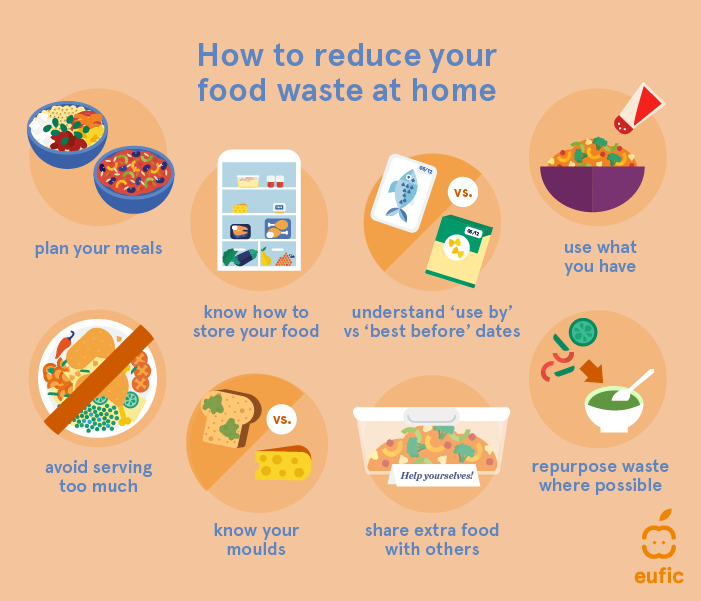
One of the easiest ways to reduce waste is to start by reducing your food waste. Here are a few tips for doing just that:
- Plan your meals: Take some time to think about what you’re going to eat each day, and make a list of the ingredients you’ll need.
- Shop smart: Avoid buying too much food at once, and try to focus on whole, unprocessed foods.
- Use up leftovers: Get creative with last night’s dinner by turning it into tomorrow’s lunch or using it as a topping for tonight’s dinner.
By following these tips, you can significantly reduce the amount of food waste in your kitchen – and save money while you’re at it!
Reducing Food Waste Tips
Here are some additional tips for reducing food waste:
- Shop from local farmers: Buying produce directly from farmers can help reduce packaging waste.
- Use up fruits and vegetables: Instead of letting them go to waste, try using up fruits and vegetables in creative ways, such as making smoothies or adding them to soups.
- Freeze leftovers: If you can’t use up leftovers immediately, consider freezing them for later use.
Reducing Waste at Home
In addition to reducing food waste, there are plenty of other ways to reduce waste at home. Here are a few ideas:
- Use reusable bags and containers: Instead of relying on single-use plastics like bags and straws, try switching to reusable alternatives.
- Buy in bulk: Purchasing items like nuts, grains, and cleaning supplies in bulk can help reduce packaging waste.
- Repurpose and reuse: Get creative with old items by repurposing or reusing them instead of throwing them away.
By implementing these strategies, you can significantly reduce the amount of waste generated at home – and make a positive impact on the environment.
Reducing Fashion Waste
Fashion is one of the most wasteful industries in the world – but it’s also an area where individuals can make a big impact. Here are a few tips for reducing fashion waste:
- Buy second-hand: Instead of buying new, consider shopping at thrift stores or online marketplaces.
- Care for your clothes: Learn how to properly care for your clothes by hand washing and air drying them, rather than relying on the dryer.
- Repair and repurpose: Get creative with old clothes by repairing them, repurposing them as accessories, or upcycling them into new items.
By following these tips, you can significantly reduce your fashion waste – and make a positive impact on the environment.
Reducing Fashion Waste Tips
Here are some additional tips for reducing fashion waste:
- Avoid fast fashion: Try to avoid buying cheap, trendy clothes that may only be worn once or twice before being discarded.
- Invest in quality: Instead of buying cheap clothes that may not last long, invest in higher-quality items that will stand the test of time.
- Consider upcycling: Get creative with old clothes by turning them into new items, such as bags or accessories.
Reducing Waste at Work
In addition to reducing waste at home and in your personal life, there are also ways to reduce waste at work. Here are a few ideas:
- Use reusable cups and containers: Instead of relying on disposable cups and containers, try switching to reusable alternatives.
- Reduce paper usage: Try to reduce the amount of paper used in the office by using digital documents instead of printing them out.
- Recycle and compost: Make sure to recycle and compost as much waste as possible, including paper, plastic, glass, and food scraps.
By implementing these strategies, you can significantly reduce the amount of waste generated at work – and make a positive impact on the environment.
Conclusion
Reducing waste is not just a moral obligation – it’s also a necessary step towards creating a more sustainable lifestyle. By making a few simple changes to our daily habits and behaviors, we can:
- Save money and resources
- Develop greater self-awareness and mindfulness
- Feel more connected to the natural world
In this article, we’ve explored the importance of reducing waste, and provided practical tips and strategies for incorporating sustainability into your daily life. By following these suggestions, you can make a positive impact on the environment – and start living a more sustainable lifestyle.
Creating Sustainable Habits
Reducing waste is not just about making individual changes – it’s also about creating sustainable habits that will stick long-term. Here are some tips for creating sustainable habits:
- Start small: Begin with small changes, such as reducing paper usage or using reusable bags and containers.
- Make it a habit: Try to make sustainability a regular part of your routine by incorporating it into your daily habits.
- Educate yourself: Learn more about the impact of waste on the environment, and stay up-to-date on the latest sustainable practices.
By creating sustainable habits that stick, you can significantly reduce your environmental impact – and make a positive difference in the world.
Getting Involved
Reducing waste is not just an individual effort – it’s also a community effort. Here are some ways to get involved:
- Join a local sustainability group: Many cities have groups dedicated to reducing waste and promoting sustainability.
- Participate in clean-ups: Get involved in local clean-up efforts, such as beach cleanups or park cleanups.
- Support sustainable businesses: Try to support businesses that prioritize sustainability and reduce waste.
By getting involved in your community, you can make a positive impact on the environment – and help create a more sustainable future for everyone.


