
As the temperatures drop, it’s essential to ensure your furry friends are safe and comfortable. While they may have a thick coat of fur, dogs can still suffer from hypothermia, especially if they’re exposed to harsh weather conditions for extended periods.
Just like us humans, dogs need protection from the cold, and it’s our responsibility as pet owners to provide them with the necessary care. In this article, we’ll explore the different categories of dogs that are more susceptible to cold stress, discuss ways to improve their diet during winter months, and highlight essential tips for keeping your furry friends warm and cozy.
Categorizing Dogs by Size
Dogs can be broadly classified into three size groups: small, medium, and large. Small dogs tend to lose heat faster than larger breeds due to their smaller body mass, which makes them more prone to hypothermia. On the other hand, large dogs can maintain their body temperature for longer periods.
In contrast, dogs with short coats or no fur at all are also vulnerable to cold stress. These dogs require extra care and attention during winter months to prevent heat loss.
Dogs Over 7 Years Old
As dogs age, they become more susceptible to cold stress due to decreased circulation and reduced insulation provided by their coat. Senior dogs often have underlying health issues that can further compromise their ability to regulate body temperature.
It’s essential to take extra precautions when caring for elderly dogs during winter months, ensuring they receive adequate nutrition, shelter, and protection from the elements.
Outdoor Dogs
If your dog spends time outdoors, especially in areas with little vegetation or shade, it’s crucial to provide them with a warm and dry place to rest. A covered area or a kennel with proper ventilation can help maintain their body temperature.
When choosing a location for your outdoor dog, consider factors such as:
- Wind direction: Position the shelter so that it faces into the wind to minimize exposure.
- Sun protection: Ensure the shelter is not directly exposed to direct sunlight, which can cause overheating or hypothermia.
- Access to fresh air: Provide adequate ventilation to prevent moisture buildup and reduce the risk of respiratory problems.
Winter Diet for Dogs
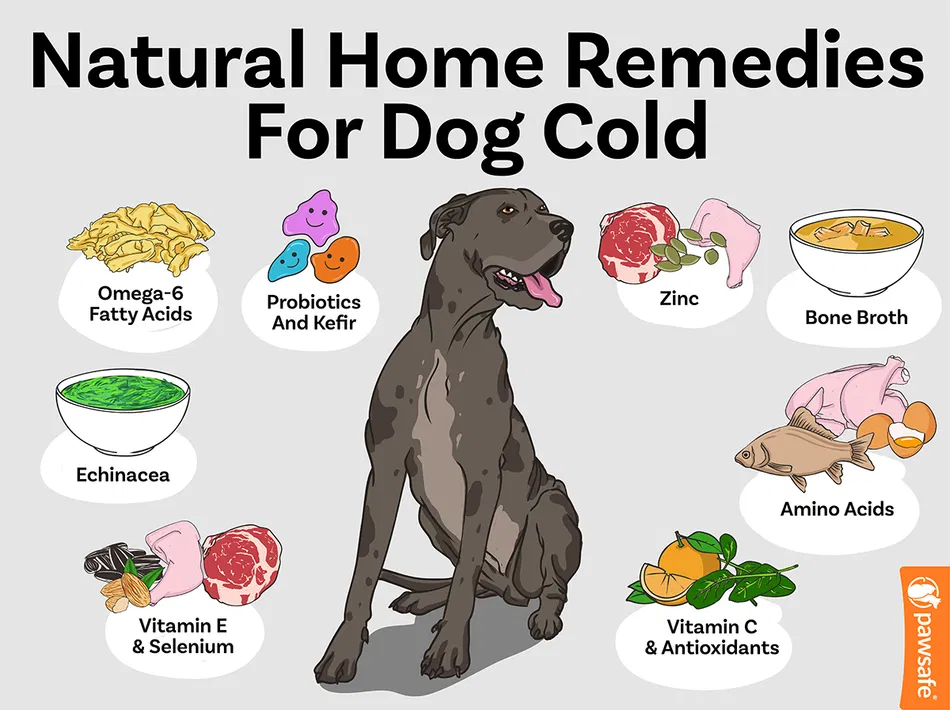
A well-balanced diet that meets your dog’s nutritional needs is essential during winter months. A higher-calorie diet can help maintain their body temperature, but it’s crucial to avoid overfeeding, as this can lead to obesity and other health issues.
Some key nutrients to include in your dog’s winter diet are:
- Protein: Essential for maintaining muscle mass and overall health.
- Fat: Helps regulate body temperature and provides energy.
- Vitamins and minerals: Important for immune function, skin health, and digestive well-being.
Additional Tips
Here are some additional tips to help keep your dogs warm and happy during winter months:
- Grooming: Regular grooming can help improve circulation and reduce shedding. This includes brushing their coat, trimming excess hair, and checking for any matting or tangling.
- Exercise: Regular exercise can help maintain body temperature and overall health. This can include short walks, playtime indoors, and engaging in dog sports like agility training.
- Shelter: Provide adequate shelter from the elements, including wind, rain, and snow. This can be a covered area or a kennel with proper ventilation.
- Supplements: Consider adding supplements to your dog’s diet, such as omega-3 fatty acids or probiotics, which can help support immune function and skin health.
Preventing Hypothermia
Hypothermia is a serious condition that can be life-threatening if left untreated. Here are some signs of hypothermia in dogs:
- Shivering: Shivering is the first sign of hypothermia in dogs.
- Lethargy: Dogs with hypothermia may become lethargic and lose interest in their surroundings.
- Confusion: Hypothermic dogs can exhibit confusion and disorientation.
- Difficulty breathing: In severe cases, hypothermia can cause difficulty breathing.
If you suspect your dog has hypothermia, it’s essential to act quickly. Here are some steps you can take:
- Move them to a warm location: Move your dog to a warm location as soon as possible.
- Wrap them in blankets: Wrap your dog in blankets or towels to help retain body heat.
- Provide warm water: Provide warm water for your dog to drink, but be careful not to give them too much, as this can lead to vomiting and diarrhea.
- Seek veterinary attention: If your dog is experiencing any of the above symptoms, seek veterinary attention immediately.
By following these tips and taking the necessary precautions, you can ensure your furry friends stay warm, happy, and healthy throughout the winter months.
Frequently Asked Questions
Here are some common questions about caring for dogs during winter months:
- Q: How often should I check on my dog in cold weather?
A: It’s essential to check on your dog frequently, especially if they’re left outdoors. - Q: What type of shelter is best for outdoor dogs?
A: A covered area or kennel with proper ventilation is ideal for outdoor dogs. - Q: Can I leave my dog outside in sub-zero temperatures?
A: No, it’s not recommended to leave your dog outside in extreme cold temperatures without proper shelter and care. - Q: How can I help prevent hypothermia in my dog?
A: Provide adequate nutrition, shelter, and protection from the elements to reduce the risk of hypothermia.
By staying informed and taking proactive steps, you can ensure your furry friends stay warm, happy, and healthy throughout the winter months.


