
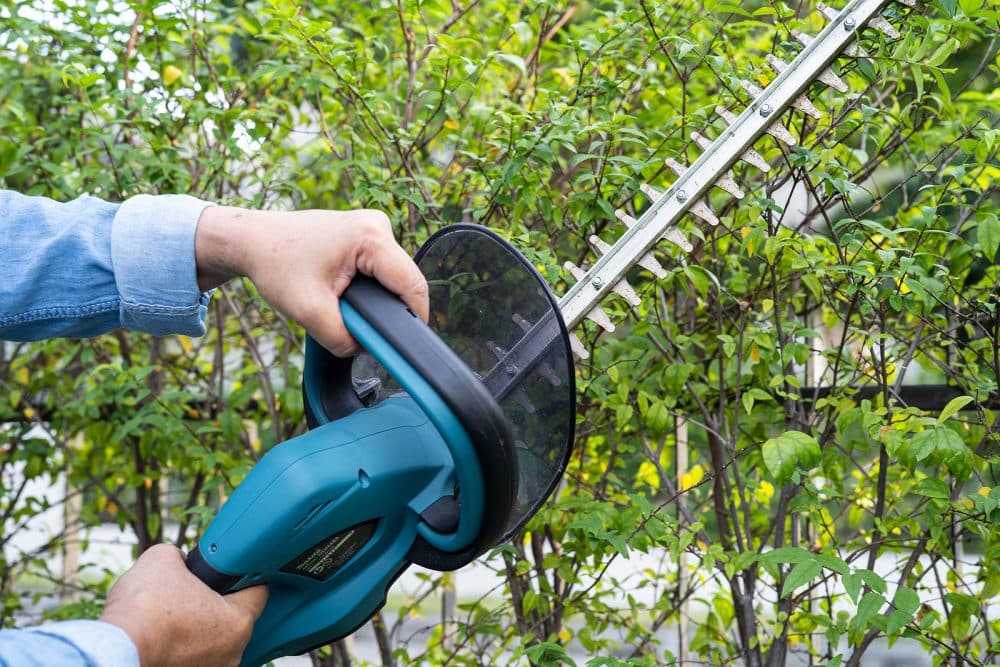
As a homeowner or gardener, using a pruning saw can be a daunting task, especially for those who are new to gardening. In this article, we will provide you with the necessary information on how to use a pruning saw, including techniques for cutting low and high branches, as well as maintenance tips for keeping your saw in top condition.
Choosing the Right Pruning Saw
When it comes to choosing a pruning saw, there are two main options: manual and electric. Manual pruning saws are great for small to medium-sized branches, while electric pruning saws are better suited for larger branches and more frequent use. Electric pruning saws also require less physical effort, making them ideal for those with mobility issues or fatigue.
When selecting a pruning saw, consider the following factors:
- Type of branches: Manual pruning saws are best for smaller branches (up to 1/4 inch thick), while electric pruning saws can handle thicker branches.
- Power source: Electric pruning saws require electricity, which may be a concern in remote areas or during power outages. Manual pruning saws are more portable and don’t require any power source.
- Comfort level: Consider the comfort level of using a manual or electric pruning saw. Some people prefer the feeling of handling wood with their hands, while others prefer the ease of use provided by an electric tool.
How to Use a Pruning Saw
Regardless of whether you choose a manual or electric pruning saw, the basic techniques for using it remain the same. Here are some general tips:
- Always wear protective gear, such as gloves and safety glasses, when using a pruning saw.
- Keep your saw sharp by regularly filing the teeth to maintain a clean cut.
- Use a consistent cutting motion to avoid damaging the branches or saw.
Cutting Low Branches
When it comes to cutting low branches, there are a few techniques you can use:
- Start at an angle: Begin by cutting at an angle, working your way up from the bottom of the branch.
- Use a gentle sawing motion: Keep the blade as close to the branch as possible and make slow, gentle cuts.
- Widen the cut: As you continue cutting, widen the cut to create a clean, smooth surface.
Cutting High Branches
Cutting high branches can be more challenging than cutting low ones. Here are some tips for tackling this task:
- Assess the height of the tree: Determine which branches need to be cut and assess their height.
- Use a ladder or support system: Reach higher branches using a ladder, step stool, or other support system.
- Cut at an angle: Cut at an angle, working your way up from the bottom of the branch.
Maintaining Your Pruning Saw
Regular maintenance is essential for keeping your pruning saw in top condition. Here are some tips:
- Clean the saw after each use: Remove debris and dirt from the blade to prevent rust.
- Apply lubricant to moving parts: Use a lubricant, such as oil or silicone spray, to keep the moving parts running smoothly.
- Check for damage or wear on teeth: Regularly inspect the teeth for damage or wear and sharpen as needed.
Safety Precautions
When using a pruning saw, safety should always be your top priority. Here are some precautions to take:
- Wear protective gear: Always wear gloves and safety glasses to protect yourself from injury.
- Cut away from your body: Keep the blade moving in the direction of the cut, never towards you.
- Use a stabilizing device: Consider using a stabilizing device, such as a sawhorses or a work platform, to keep the branch steady.
Conclusion
Using a pruning saw can seem intimidating at first, but with practice and patience, you’ll become proficient in no time. By following these tips and techniques, you’ll be able to cut your branches like a pro, keeping your garden looking its best all year round.
FAQs
- Q: What is the difference between a manual and electric pruning saw?
A: Manual pruning saws are powered by hand, while electric pruning saws use electricity to power the blade. - Q: How do I maintain my pruning saw?
A: Regularly clean the saw, apply lubricant, and check for damage or wear on the teeth. - Q: What is the best technique for cutting high branches?
A: Start by assessing the height of the tree, then use a ladder or support system to reach the higher branches. Cut at an angle, working your way up from the bottom of the branch. - Q: How often should I sharpen my pruning saw teeth?
A: Check for damage or wear on the teeth regularly and sharpen as needed. - Q: What protective gear do I need when using a pruning saw?
A: Always wear gloves and safety glasses to protect yourself from injury. - Q: Can I use a pruning saw to cut thicker branches?
A: No, pruning saws are designed for cutting smaller branches. For thicker branches, consider using a chainsaw or other power tool. - Q: How do I store my pruning saw when not in use?
A: Store the saw in a dry place, out of reach of children and pets.
By following these tips and techniques, you’ll be able to effectively use your pruning saw and keep your garden looking its best. Happy gardening!


