
As the world shifts towards sustainable living, many homeowners are looking for ways to improve the energy efficiency of their homes. One effective way to achieve this is through home renovation and energy upgrade, which can not only reduce energy consumption but also lower utility bills. In this article, we will explore the benefits of home renovation and energy upgrade, discuss the different types of upgrades, and provide a comprehensive guide on how to get started.
The Benefits of Home Renovation and Energy Upgrade
Home renovation and energy upgrade can have numerous benefits for homeowners, including:
- Reduced energy consumption: By improving the energy efficiency of their homes, homeowners can reduce their reliance on fossil fuels and lower their carbon footprint.
- Lower utility bills: With energy-efficient appliances and lighting, homeowners can save money on their utility bills, which can be a significant source of expense.
- Improved comfort and livability: Energy-efficient upgrades can improve the comfort and livability of a home by reducing heat loss in the winter and heat gain in the summer.
- Increased property value: Homes with energy-efficient features are often more attractive to potential buyers, which can increase their property value.
- Enhanced environmental sustainability: By improving the energy efficiency of their homes, homeowners can contribute to a more sustainable future.
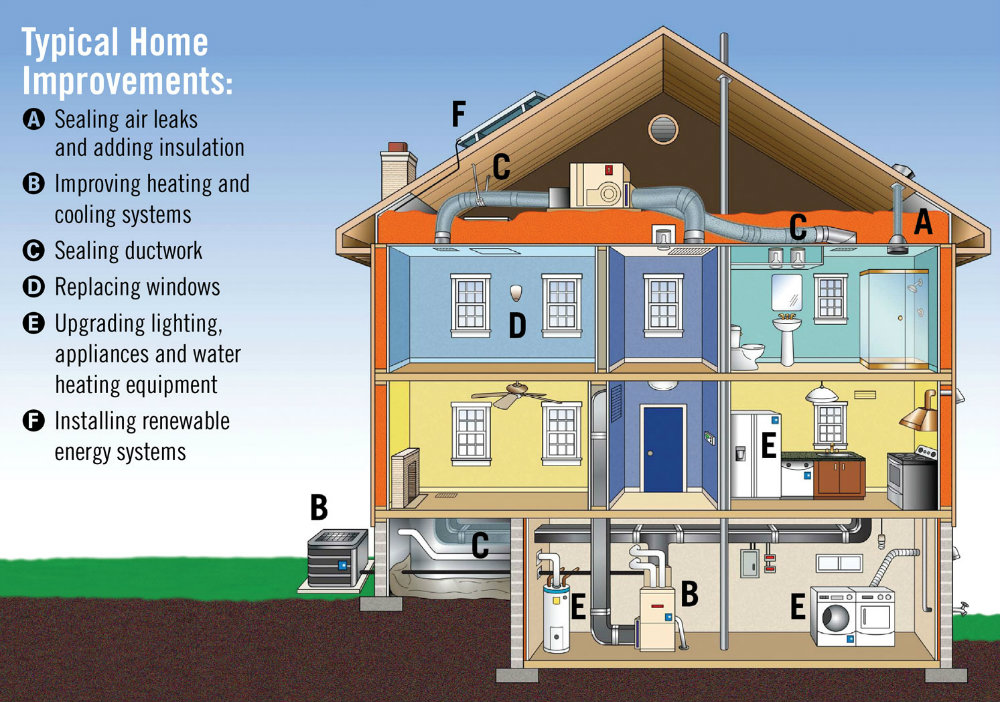
To achieve these benefits, homeowners need to identify the areas of their homes that require improvement. This can include replacing old windows, adding insulation, upgrading to energy-efficient appliances, and installing renewable energy systems.
The Importance of Energy Efficiency
Energy efficiency is critical in today’s world, where climate change and energy scarcity are major concerns. By improving the energy efficiency of our homes, we can reduce our carbon footprint, lower our utility bills, and contribute to a more sustainable future.
There are several ways to improve energy efficiency, including:
- Using energy-efficient appliances and lighting
- Adding insulation to walls and ceilings
- Upgrading windows and doors
- Installing renewable energy systems, such as solar panels
The Types of Home Renovations
Home renovation and energy upgrade can involve a range of activities, from minor repairs to major overhauls. Some common types of home renovations include:
- Window replacement: Replacing old windows with new, energy-efficient models can significantly improve the energy efficiency of a home.
- Insulation installation: Adding insulation to walls and ceilings can help reduce heat loss in the winter and heat gain in the summer.
- Appliance upgrades: Replacing old appliances with energy-efficient ones can help reduce energy consumption and lower utility bills.
- Solar panel installation: Installing solar panels on a home’s roof can provide renewable energy and reduce reliance on fossil fuels.
The Benefits of Home Renovation and Energy Upgrade
Home renovation and energy upgrade can have numerous benefits for homeowners, including:
- Reduced energy consumption
- Lower utility bills
- Improved comfort and livability
- Increased property value
- Enhanced environmental sustainability
In addition to these benefits, home renovation and energy upgrade can also provide a range of tax incentives and rebates. For example, in Italy, homeowners who invest in energy-efficient upgrades can claim a tax deduction of up to 65% on their energy bills.
The Process of Home Renovation and Energy Upgrade
The process of home renovation and energy upgrade involves several steps, including:
- Assessment: Identifying areas of the home that require improvement.
- Design: Creating a design plan for the renovations.
- Permitting: Obtaining necessary permits from local authorities.
- Renovation: Executing the planned renovations.
- Inspections: Conducting inspections to ensure compliance with building codes and regulations.
Conclusion
Home renovation and energy upgrade is an effective way to improve the energy efficiency of a home, reduce energy consumption, and lower utility bills. By identifying areas that require improvement, creating a design plan, obtaining necessary permits, executing the planned renovations, and conducting inspections, homeowners can achieve significant benefits from their investments.
Frequently Asked Questions
- What is the benefit of energy-efficient upgrades for homes?
Energy-efficient upgrades can reduce energy consumption, lower utility bills, improve comfort and livability, increase property value, and enhance environmental sustainability. - How much can I save on my energy bills by installing solar panels?
The amount of savings on energy bills from installing solar panels varies depending on several factors, including the size of the system, installation costs, and local energy rates. - Can I claim tax deductions for home renovation and energy upgrades?
Yes, in Italy, homeowners who invest in energy-efficient upgrades can claim a tax deduction of up to 65% on their energy bills. - What types of renovations are eligible for tax incentives and rebates?
The types of renovations eligible for tax incentives and rebates vary depending on local regulations and programs. - How long does the renovation process typically take?
The duration of the renovation process varies depending on several factors, including the complexity of the project, availability of materials and labor, and permitting requirements.
Additional Resources
If you’re considering home renovation and energy upgrade, here are some additional resources to help you get started:
- Enea: A leading Italian energy company that provides information on energy efficiency and sustainable living.
- Italian Government Website: The official website of the Italian government, which provides information on tax incentives and rebates for energy-efficient upgrades.
- Home Renovation Websites: Several websites offer guides, tips, and resources on home renovation and energy upgrade.
Tips for a Successful Home Renovation
- Set a budget: Before starting your home renovation project, set a realistic budget to ensure that you can complete the project within your means.
- Choose a reputable contractor: Select a reliable and experienced contractor who has a track record of delivering high-quality work on time.
- Research local regulations: Familiarize yourself with local building codes and regulations to avoid any unexpected costs or complications.
- Consider energy-efficient options: Choose energy-efficient appliances, lighting, and insulation to minimize your carbon footprint.
- Monitor progress: Regularly check the progress of the renovation project to ensure that it is on track and that any issues are addressed promptly.
Common Mistakes to Avoid
- Not planning carefully: Failing to plan the renovation project thoroughly can lead to costly delays, missed deadlines, and wasted resources.
- Choosing the wrong materials: Selecting low-quality materials or materials that don’t meet local building codes can compromise the integrity of your home’s structure and performance.
- Ignoring safety concerns: Neglecting safety protocols during the renovation process can put you and your family at risk of injury.
- Not considering energy efficiency: Failing to incorporate energy-efficient features into your renovation project can lead to higher energy bills and a larger carbon footprint.
- Not monitoring progress: Not keeping track of the renovation’s progress can make it difficult to identify and address any issues that arise during construction.
By following this comprehensive guide, homeowners can achieve significant benefits from their investments in home renovation and energy upgrade. Whether you’re looking to reduce your energy consumption, lower your utility bills, or enhance environmental sustainability, there’s never been a better time to start.


