
Bruxismo is one of the most common sleep disorders, affecting millions of people worldwide. It’s not just a nuisance; bruxism has serious consequences on our teeth and overall well-being. In this article, we’ll delve into the world of bruxism, exploring its symptoms, consequences, and natural remedies to help you manage this condition.
What is Bruxismo?
Bruxismo is characterized by involuntary contractions of the muscles in the jaw, leading to grinding or clenching of the teeth. This can happen during sleep or even when we’re awake, often without us realizing it. The repeated strain on our teeth and jaw can lead to various problems, including tooth wear, pain, and discomfort.
Symptoms of Bruxism
While grinding or clenching of the teeth is the most common symptom, bruxism can manifest in other ways as well. Some people may experience:
- Tightness or locking of the jaw: This can be painful and make it difficult to open or close your mouth.
- Headaches: Bruxism can lead to tension headaches, migraines, or even facial pain.
- Earaches: The repeated strain on the jaw joint can cause ear discomfort or pain.
- Pain in the face: Bruxism can also affect the muscles of the face, leading to pain or tenderness.
Consequences of Bruxism
Bruxism has far-reaching consequences that extend beyond our teeth and jaws. Some of the most significant effects include:
- Tooth wear: Grinding or clenching of the teeth can lead to uneven wear on your molars, causing chips, cracks, or even loss of teeth.
- Jaw pain: The repeated strain on the jaw joint can cause pain, stiffness, or locking of the jaw.
- Earaches: As mentioned earlier, bruxism can also cause ear discomfort or pain due to the tension in the jaw joint.
- Headaches: Bruxism is a common trigger for headaches, including migraines and tension headaches.
Bruxism in Children
When it comes to children, bruxism can be more challenging to diagnose. Some signs of bruxism in kids include:
- Dental wear: Excessive grinding or clenching of the teeth can lead to uneven wear on your child’s molars.
- Earaches: The same tension in the jaw joint can cause ear discomfort or pain in children.
- Behavioral issues: Some children may exhibit behavioral problems, such as irritability or restlessness, due to the discomfort caused by bruxism.
Causes of Bruxism
While the exact causes of bruxism are still not fully understood, several factors have been identified as contributing to its development. These include:
- Stress and anxiety: High levels of stress and anxiety can lead to muscle tension in the jaw, increasing the risk of bruxism.
- Sleep disorders: Sleep apnea, insomnia, or other sleep disorders can contribute to bruxism.
- Dental issues: Misaligned teeth (malocclusion), dental work (e.g., fillings, crowns), or gum disease can cause bruxism.
Risk Factors for Bruxism
In addition to the causes mentioned earlier, several risk factors have been identified that may increase the likelihood of developing bruxism. These include:
- Family history: If you have a family member with bruxism, you’re more likely to develop it.
- Genetics: Certain genetic conditions can increase the risk of bruxism.
- Age: Bruxism is more common in children and adolescents.
- Dental work: Dental procedures like orthodontic treatment or dental implants may contribute to bruxism.
Natural Remedies for Bruxism
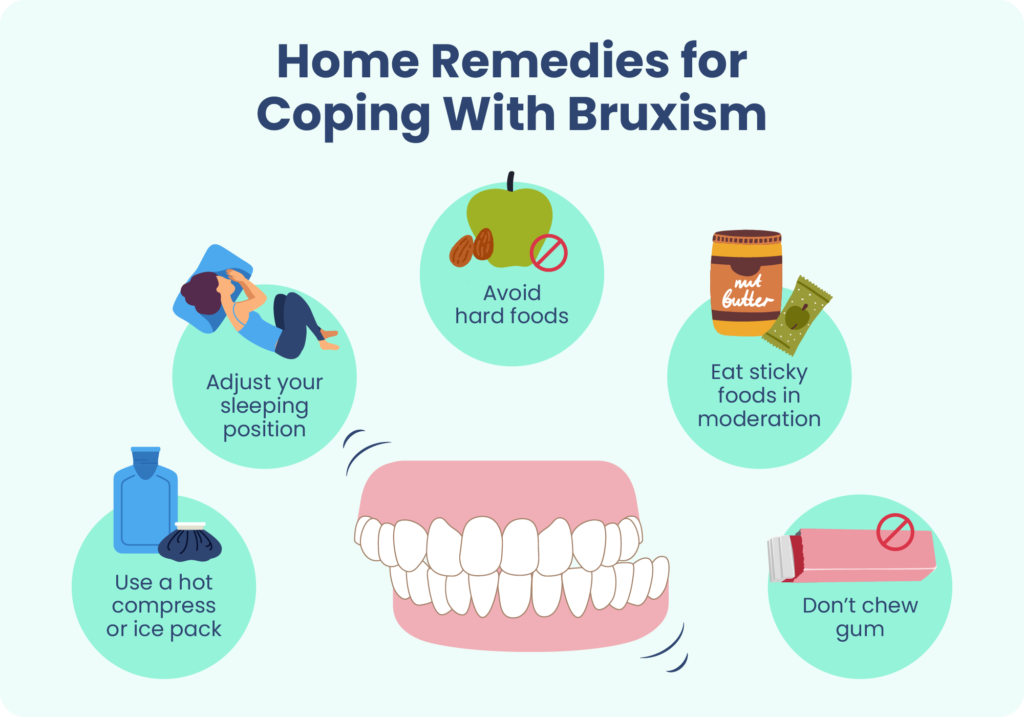
While there’s no cure for bruxism, various natural remedies can help manage the condition. These include:
- Relaxation techniques: Practices like yoga, meditation, or deep breathing exercises can help reduce stress and anxiety.
- Oral appliance therapy: A custom-made mouthguard or splint can help alleviate symptoms by redistributing the forces of biting and chewing.
- Physical therapy: Gentle exercises and stretches can help relax the muscles in the jaw and face.
Treatment Options for Bruxism
In addition to natural remedies, various treatment options are available to manage bruxism. These include:
- Bite correction: A bite adjustment or orthodontic treatment can help realign the teeth and alleviate strain on the jaw.
- Jaw release exercises: Gentle exercises can help relax the muscles in the jaw and improve range of motion.
- Medications: In some cases, medications like muscle relaxants or antidepressants may be prescribed to manage symptoms.
Surgical Options for Bruxism
In severe cases of bruxism, surgical options may be necessary. These include:
- Jaw surgery: Surgery to correct misalignment of the jaw or repair damaged tissues.
- Dental implant surgery: Dental implants can help alleviate tooth wear and restore chewing function.
- Temporomandibular joint (TMJ) surgery: Surgery to relieve tension in the TMJ and alleviate pain.
Frequently Asked Questions
Q: What is bruxism?
A: Bruxismo is a condition characterized by involuntary contractions of the muscles in the jaw, leading to grinding or clenching of the teeth.
Q: What are the symptoms of bruxism?
A: Symptoms include grinding or clenching of the teeth, tightness or locking of the jaw, headaches, earaches, and pain in the face.
Q: Can bruxism be treated naturally?
A: Yes, various natural remedies like relaxation techniques, oral appliance therapy, and physical therapy can help manage symptoms.
Q: What are the consequences of bruxism?
A: Bruxism can lead to tooth wear, jaw pain, earaches, headaches, and other related issues.
Q: How is bruxism diagnosed?
A: A diagnosis of bruxism may be made based on a combination of clinical evaluation, dental examination, and patient history.
Q: Can children develop bruxism?
A: Yes, children can develop bruxism due to factors like stress, anxiety, or dental issues.
Q: What is the best way to prevent bruxism?
A: Practicing good oral hygiene, avoiding sugary foods and drinks, and managing stress through relaxation techniques can help reduce the risk of developing bruxism.
Q: Can bruxism be cured?
A: While there’s no cure for bruxism, various treatment options are available to manage symptoms and alleviate discomfort.


