
Understanding the Dangers of Cubomedusa: A Guide to Recognition and Treatment
Cubomedusae, also known as box jellyfish, are a type of medusa that pose a significant threat to human safety due to their extremely potent nematocysts used as defense mechanisms and to paralyze their prey. These nematocysts are tiny, urticating organs composed of a capsule and filaments that can cause severe reactions in humans.
Characteristics of Cubomedusae
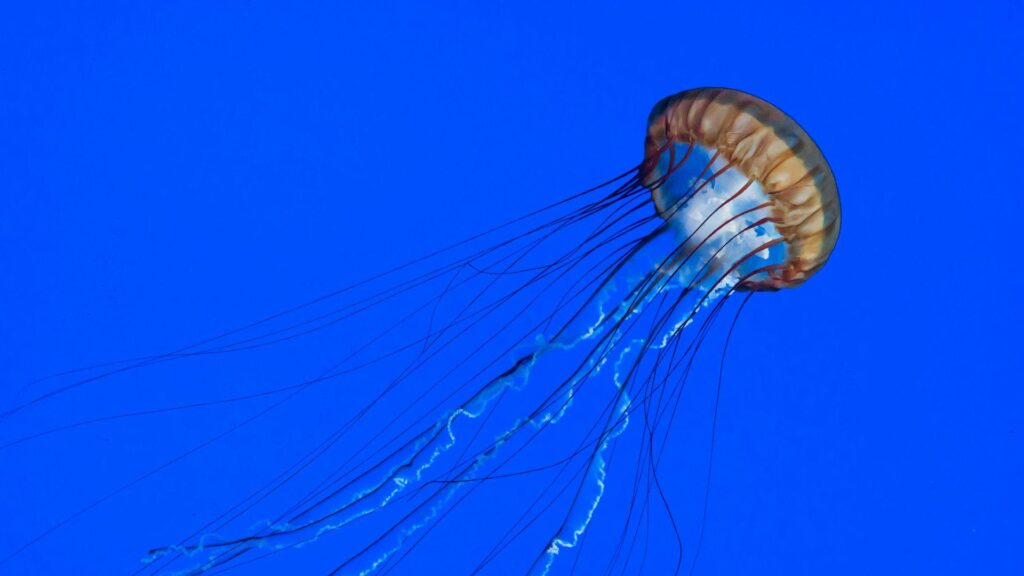
Cubomedusae typically appear as bell-shaped medusae with quadrangular or pyramidal shapes. They have long tentacles and are almost transparent, making them difficult to spot underwater. Their size can vary greatly, from a few centimeters in diameter to up to 3 meters in length, including their tentacles.
Box Jellyfish Distribution and Prevalence
The box jellyfish is primarily found in the tropical waters of the Indian Ocean and Pacific, as well as in Australia, New Zealand, and parts of California. They are known to be present in small numbers in other regions around the world, but their distribution can vary greatly depending on factors such as water temperature and salinity.
How to Identify Cubomedusae
Cubomedusae can be identified by their distinctive bell-shaped medusa and long tentacles. However, they can be difficult to spot underwater due to their transparency and similarity in shape to other types of jellyfish. If you are out swimming or snorkeling in areas where box jellyfish are known to be present, it is essential to take precautions to avoid encountering them.
Can You Spot a Cubomedusa at Night?
The probability of encountering a cubemedusa near shore increases at night when it is attracted by the lights on beaches. This is why many beachgoers believe that seeing a cubomedusa at night is a common occurrence, when in fact it is relatively rare.
How Does the Venom Work?
The venom of the box jellyfish is a potent biotoxin that is injected into prey through tiny stingers along its tentacles. When an individual comes into contact with these stingers, they release their venom, which can cause severe reactions such as respiratory failure, cardiac arrest, and even death.
What to Do If Stung by a Cubomedusa
If you are stung by a cubemedusa, the immediate remedy is to pour acetic acid directly onto the affected area without rubbing it in. This helps to deactivate the toxins that have not yet activated on the skin surface. It’s essential to note that using alcohol or other disinfectants can activate the toxins and make the situation worse.
Why Not Use Alcohol or Disinfectants?
Using alcohol or other disinfectants is highly discouraged, as they can activate the toxins and make the situation worse. Instead, it’s recommended to use acetic acid or vinegar specifically designed for treating box jellyfish stings.
Is the Spread of Cubomedusae a Concern?
Rising sea temperatures are contributing to an increase in the spread of cubomedusae, particularly in the Mediterranean Sea. This is why many experts believe that the presence of these animals in certain regions could have severe consequences for human health and ecosystems.
How Do Cubemedusae Reproduce?
Cubomedusae typically reproduce only once a year when female individuals store fertilized eggs in specialized pouches until they hatch into larvae that form primary polyps. This process is complex and can be influenced by various environmental factors such as water temperature and salinity.
The Structure of the Cubomedusa
The structure of the cubomedusa consists of several key components, including its bell-shaped medusa, long tentacles, and nematocysts. These components work together to allow the box jellyfish to capture prey, defend itself from predators, and survive in its environment.
Conclusion
Cubomedusae pose a significant threat to human safety due to their potent venom. Being able to identify them and taking immediate action if stung is crucial for preventing severe reactions. While they can be found in various regions around the world, their presence is often underestimated or misjudged by many people.
Frequently Asked Questions
- Q: Are cubemedusae found in the Mediterranean Sea?
- Yes, they are present in small numbers.
- Q: How do you treat a cubomedusa sting?
- Apply acetic acid directly to the affected area without rubbing it in.
- Q: Can alcohol or disinfectants be used on cubemedusa stings?
- No, they can activate the toxins and make the situation worse.
- Q: How do cubomedusae spread?
- Rising sea temperatures are contributing to an increase in their spread.
- Q: Can I prevent myself from getting stung by a cubemedusa?
- Yes, being aware of your surroundings and avoiding areas where they are known to be present can help.
Preventing Cubomedusa Encounters
To minimize the risk of encountering a box jellyfish while swimming or snorkeling in tropical waters, follow these precautions:
- Be aware of your surroundings and watch for any signs of their presence.
- Avoid swimming or snorkeling at night when they are more active.
- Wear protective clothing such as gloves or wetsuits to reduce the risk of stings.
- Don’t touch or handle any jellyfish, even if you think it’s safe.
Understanding Cubomedusae is crucial for preventing severe reactions and ensuring safety in tropical waters. By being aware of their characteristics, distribution, and behavior, individuals can take necessary precautions to avoid encountering these dangerous animals.


