
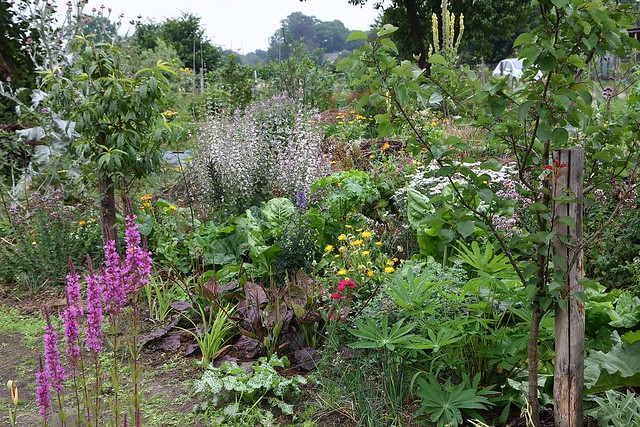
As the seasons change, and the weather becomes more favorable, it’s time to start planning your garden. Whether you’re a seasoned gardener or just starting out, understanding the importance of plant associations can make all the difference in creating a thriving and diverse garden ecosystem.
What are Plant Associations?
Plant associations refer to the practice of grouping plants together based on their growth habits, nutritional requirements, and pest-repellent properties. By choosing the right companion plants for your garden, you can improve soil health, reduce pest damage, and increase crop yields.
Why Are Plant Associations Important?
In an integrated pest management (IPM) strategy, plant associations play a crucial role in minimizing chemical pesticide use and promoting natural control methods. By selecting plants that complement each other’s growth habits and pest-repellent properties, you can create a balanced ecosystem that fosters biodiversity and minimizes harm to beneficial insects.
When Should You Start Planting?
While there is no specific time of year that is ideal for planting, spring and early summer offer the best conditions for gardening. The mild temperatures and ample sunlight make it an excellent time to start seedlings indoors or directly in the garden.
Which Plants to Grow Together?
Here are some popular plant combinations that can benefit from association:
- Allium Family (Garlic, Onions, Leeks): Plant garlic with fragrant herbs like basil, rosemary, and thyme. The strong scent of alliums repels pests like aphids and spider mites.
- The Brassica Family (Broccoli, Cauliflower, Kale): Pair broccoli and cauliflower with nasturtiums or calendula to deter cabbage worms and other brassica pests.
- Tomatoes: Grow tomatoes alongside basil, borage, or chives. These plants enhance tomato flavor, repel pests, and attract beneficial insects.
Beyond Fruiting Plants
While many people focus on growing fruits and vegetables, there are also numerous herbaceous plants that benefit from association:
- Mint (Mentha spp.): Plant mint with lemongrass or citrus to ward off nematodes.
- Cilantro (Coriandrum sativum): Pair cilantro with dill or parsley to repel aphids and other pests.
- Sweet Marjoram (Origanum majorana): Grow marjoram alongside mint or chamomile to promote beneficial soil microorganisms.
Herbs as Companion Plants
Many herbs have natural pest-repellent properties that make them excellent companion plants:
- Thyme: Repels mosquitoes, ants, and other pests.
- Rosemary: Deters carrot rust flies and other pests.
- Sage: Repels aphids, whiteflies, and spider mites.
The Science Behind Plant Associations
Plant associations work on several levels to create a balanced ecosystem:
- Competition for Resources: Different plants compete for resources like water, nutrients, and sunlight, promoting healthy growth habits.
- Pest Repellence: Plants with natural pest-repellent properties deter pests from feeding on other crops.
- Pollination: Some plant combinations promote pollinator activity, enhancing fruit set and seed production.
Putting It All Together
By incorporating plant associations into your gardening strategy, you can create a thriving ecosystem that:
- Reduces chemical pesticide use
- Promotes beneficial insects and biodiversity
- Enhances soil health and fertility
- Increases crop yields and quality
Whether you’re growing fruits, vegetables, or herbs, understanding the power of plant associations can help you build a more resilient and productive garden.
Frequently Asked Questions
- What is the best way to choose companion plants for my garden?
Choosing companion plants depends on your specific climate, soil type, and gardening goals. Research plants with similar growth habits, nutritional requirements, and pest-repellent properties. - How do I ensure that my companion planting strategy doesn’t harm beneficial insects?
Avoid using pesticides, and instead opt for natural methods to control pests. Integrate beneficial insects like bees, butterflies, and ladybugs into your garden ecosystem. -
Can plant associations help reduce soil-borne diseases?
Yes! Companion plants can promote healthy soil microorganisms, which helps suppress disease-causing pathogens. -
How often should I monitor my companion planting strategy?
Regularly inspect your plants for signs of pests, diseases, or nutrient deficiencies. Adjust your companion planting strategy as needed to maintain a balanced ecosystem. -
Are there any specific plant associations that work well in containers?
Yes! Some popular container-friendly plant associations include: -
Basil with tomatoes
- Cilantro with carrots
- Marigold with lettuce
By incorporating these and other plant associations into your container gardening strategy, you can create a thriving ecosystem in small spaces.
Additional Tips for Creating a Balanced Ecosystem
- Diversify Your Plantings: Incorporate a variety of plants with different growth habits, textures, and colors to promote biodiversity.
- Use Companion Plants to Repel Pests: Choose plants with natural pest-repellent properties to reduce the need for pesticides.
- Maintain Good Soil Health: Regularly test your soil pH and nutrient levels, and amend it as necessary to support healthy plant growth.
- Incorporate Beneficial Insects: Integrate beneficial insects like bees, butterflies, and ladybugs into your garden ecosystem to promote pollination and pest control.
By following these tips and incorporating plant associations into your gardening strategy, you can create a thriving ecosystem that promotes biodiversity, reduces chemical pesticide use, and increases crop yields.


