
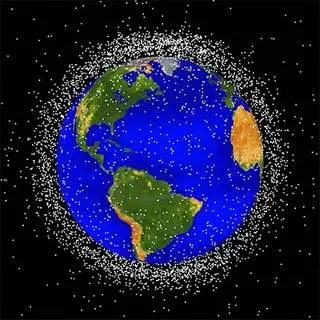
As we continue to explore space, it’s becoming increasingly clear that our actions are having a profound impact on the cosmos. One of the most pressing concerns is space debris – the remnants of our space-faring activities that are littering the vast expanse of outer space.
What is Space Debris?
Space debris refers to the discarded objects in orbit around Earth, including fragments from satellites, spacecraft, and other devices that have been launched into space. These objects can range in size from tiny pieces of metal to entire satellites, and they pose a significant threat to operational spacecraft and astronauts.
Imagine a vast, ever-expanding graveyard of human-made debris floating in the darkness of space – it’s a sobering thought, isn’t it? But what exactly is this “spazzatura spaziale” that’s accumulating in our cosmos?
The Origins of Space Debris
One of the primary sources of space debris is the satellites and spacecraft that have been launched into orbit over the years. As these objects reach the end of their lifespan, they are often abandoned or left to drift aimlessly through space. This can happen for a variety of reasons, including a loss of signal or control, or simply because they’ve reached the end of their operational life.
But it’s not just satellites that contribute to the problem – other spacecraft, such as probes and landers, also generate debris when they fail or are intentionally deorbited. And let’s not forget about the countless pieces of hardware that have been jettisoned during spacewalks or other emergency procedures.
Where is Space Debris Found?
Space debris is scattered throughout our solar system, with concentrations in certain regions and altitudes. Some areas are more densely populated than others, while others remain relatively clear of debris.
For example, there are several “debris hotspots” near Earth’s orbit, where the density of space junk is highest. These areas include the geostationary transfer orbit (GTO), the low Earth orbit (LEO), and the medium Earth orbit (MEO).
The Dangers of Space Debris
So what exactly are the risks associated with space debris? The answer lies in its velocity – these tiny, metallic fragments can travel at incredibly high speeds, making them extremely difficult to predict or avoid.
If a piece of debris were to collide with a satellite or spacecraft, it could cause catastrophic damage. Imagine a 10-centimeter fragment traveling at 27,000 kilometers per hour (17,000 miles per hour) – that’s like hitting a car traveling at over 300 times the speed limit!
The risk of collisions is particularly high in areas with dense concentrations of debris, such as near satellites or spacecraft. These objects can be difficult to detect and track, especially when they’re not emitting signals.
Space Debris and the Environment
But space debris isn’t just a problem for spacecraft – it’s also a concern for the environment on Earth. Micro-meteoroids and space debris can re-enter the atmosphere as tiny particles or fragments, which can cause damage to aircraft and other objects.
Additionally, some space debris has been found to contain toxic materials like lead and mercury, which can contaminate the environment if they’re not handled properly.
The Economic Impact of Space Debris
Space debris also poses a significant economic risk. Satellites that are damaged or destroyed by collisions can be expensive to repair or replace, and the cost of launching new satellites can be prohibitively high.
In fact, some estimates suggest that space debris could cost the global satellite industry billions of dollars in lost revenue each year.
International Cooperation
To address these concerns, international cooperation is essential. In 2013, the United Nations Office for Outer Space Affairs (UNOOSA) launched a series of guidelines for responsible space activities, including debris mitigation and removal.
These guidelines aim to promote best practices among space-faring nations and companies, and to encourage collaboration on efforts to reduce space debris.
The ESA’s Response
But don’t worry – there are initiatives underway to address this pressing issue. The European Space Agency (ESA) has launched two major projects aimed at cleaning up space debris.
The first project involves using a network of satellites to detect and capture large pieces of debris. These satellites will be equipped with advanced sensors and manipulation systems, allowing them to snag and retrieve wayward objects in orbit.
The second project uses robots and satellites to carefully collect smaller pieces of debris, which can then be deorbited and safely re-enter the atmosphere.
Other Efforts to Combat Space Debris
While the ESA’s initiatives are promising, other organizations and governments are also working to address this critical issue. For example:
- The United Nations Office for Outer Space Affairs (UNOOSA) has established guidelines for responsible space activities, including debris mitigation and removal.
- NASA is developing a system of tracking and monitoring space debris, which will help identify potential hazards and optimize the use of resources.
- Private companies like SpaceX and Blue Origin are also exploring new technologies and strategies for reducing space debris.
The Future of Space Debris
While there’s still much work to be done, the progress made so far is encouraging. By continuing to invest in research, development, and international cooperation, we can create a safer, more sustainable future for space exploration.
But as we move forward, it’s essential that we acknowledge the complexities and challenges involved. For instance:
- Currently, there are no internationally recognized laws or regulations governing the disposal of space debris.
- The lack of clear guidelines can lead to confusion and conflicting interests among governments, companies, and individuals.
Frequently Asked Questions
- What is the most significant threat posed by space debris?
- Space debris poses a significant threat due to its high velocity, making it difficult to predict or avoid collisions.
- How do satellites and spacecraft contribute to space debris?
- Satellites and spacecraft can generate debris when they reach the end of their operational life or are intentionally deorbited.
- What is being done to address space debris?
- The European Space Agency, NASA, UNOOSA, and private companies like SpaceX and Blue Origin are working together to develop new technologies and strategies for reducing space debris.
Conclusion
The issue of space debris is a pressing concern that requires immediate attention. By understanding the causes, consequences, and potential solutions, we can work towards creating a safer, more sustainable future for space exploration.
As we continue to push the boundaries of human knowledge and achievement, it’s essential that we prioritize responsible behavior in space – not just for the sake of our planet, but for the benefit of humanity as a whole.


