
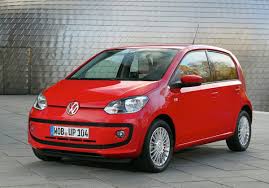
As we strive to reduce our carbon footprint and save money on fuel costs, electric vehicles have been gaining popularity. However, while waiting for the establishment of comprehensive infrastructure for charging, some are turning their attention to a promising alternative: the metano (methane). In this article, we’ll explore the Volkswagen Eco-Up!, a compact city car that runs on metano and offers an attractive combination of low operating costs and environmental benefits.
Introduction
The eco-friendly nature of the Volkswagen Up! is hard to ignore. By reducing fuel consumption and minimizing expenses, this vehicle provides a significant advantage over its conventional counterparts. But what exactly does this mean for potential buyers? In this article, we’ll delve into the details of the Volkswagen Eco-Up!, including its price, features, and benefits.
Price
The starting price of the Volkswagen Up! in metano versione three-door is 12,400 euros. While this may seem steep at first glance, it’s essential to consider that you’re purchasing a vehicle from the renowned Volkswagen brand, which retains its value relatively well over time.
Key Features and Benefits
So, what makes the Volkswagen Eco-Up! so special? Let’s break down some of its key features and benefits:
- Fuel efficiency: The metano-powered Volkswagen Up! boasts an impressive fuel economy, with a single liter of metano equivalent to 72 liters of traditional gasoline. This translates to significant cost savings over time.
- Autonomía: With a serbatoio capacity of 11 kg of metano, the Eco-Up! can travel up to 600 km on a single fill-up.
- Emissions: The vehicle’s consumption is relatively low, with an average of 3.2 kg of metano per 100 km traveled and emissions of only 86 g/km.
Comparing Fuel Costs
To put the Eco-Up!’s fuel efficiency into perspective, let’s consider a rough estimate of the cost of driving for 100 km:
- Metano: Assuming an average price of 2.40 euros per kilogram, the total fuel cost for 100 km would be approximately 0.27 euros.
- Benzina: In contrast, using traditional gasoline would result in a fuel cost of around 12-15 euros for 100 km.
Variations and Trims
The Volkswagen Up! is available in various trims and configurations, including the “Take up” base model (starting at 12,400 euros) and the “High up!” top-of-the-line trim (priced at 15,500 euros).
Conclusion
In conclusion, the Volkswagen Eco-Up! represents an excellent option for those seeking a fuel-efficient and cost-effective vehicle. With its impressive metano-powered engine, reduced emissions, and reasonable price point, this city car is well-suited for environmentally conscious drivers looking to minimize their expenses.
Frequently Asked Questions (FAQs)
- What is the capacity of the serbatoio del metano?
- The serbatoio can contain up to 11 kg of metano.
- How far can I travel on a single fill-up?
- With a serbatoio capacity of 11 kg, you can travel approximately 600 km on a single fill-up.
-
What are the average emissions for the Eco-Up!?
- The vehicle’s consumption is relatively low, with an average of 86 g/km in CO2 emissions.
-
Can I use traditional gasoline instead of metano?
- While possible, using traditional gasoline would result in significantly higher fuel costs and reduced efficiency.
-
What are the different trims and configurations available for the Volkswagen Up!?
- The vehicle is offered in various trims, including the “Take up” base model (starting at 12,400 euros) and the “High up!” top-of-the-line trim (priced at 15,500 euros).
-
How does the metano-powered engine affect the Eco-Up!’s overall performance?
- The metano-powered engine provides a smoother and quieter driving experience while maintaining respectable acceleration and handling.
-
Is the Volkswagen Eco-Up! suitable for long-distance travel?
- While not designed specifically for long-distance travel, the Eco-Up!’s fuel efficiency and comfortable ride make it an excellent option for road trips or daily commutes.
-
What are some potential drawbacks to using metano as a fuel source?
- Some may find the availability of metano stations limited in certain areas, although this is rapidly improving.
By considering these factors and weighing the pros and cons, you can make an informed decision about whether the Volkswagen Eco-Up! is the right vehicle for your needs.
Additional Considerations
Before making a final decision, consider the following additional factors:
- Maintenance costs: The metano-powered engine requires less maintenance compared to traditional gasoline engines, which can lead to significant savings over time.
- Noise level: The Eco-Up!’s metano-powered engine produces significantly less noise than conventional vehicles, creating a more comfortable driving experience.
- Safety features: Modern safety features like airbags and anti-lock braking systems (ABS) are standard in the Eco-Up!, ensuring a safe and secure ride.
Conclusion
In conclusion, the Volkswagen Eco-Up! offers an attractive combination of low operating costs, environmental benefits, and performance. With its impressive metano-powered engine, reduced emissions, and reasonable price point, this city car is well-suited for environmentally conscious drivers looking to minimize their expenses.
Comparison with Other Vehicles
The Volkswagen Eco-Up! can be compared to other fuel-efficient vehicles in the market:
- Smart Fortwo: A compact two-seater electric vehicle with a starting price of 13,000 euros.
- Peugeot iOn: A compact city car available in electric and hybrid variants, priced between 8,300 and 18,300 euros.
- Hyundai Ioniq Hybrid: A subcompact sedan available in hybrid and plug-in hybrid variants, with a starting price of 22,400 euros.
While these vehicles offer impressive fuel efficiency, the Eco-Up!’s metano-powered engine provides unique benefits such as reduced emissions and improved performance.


