
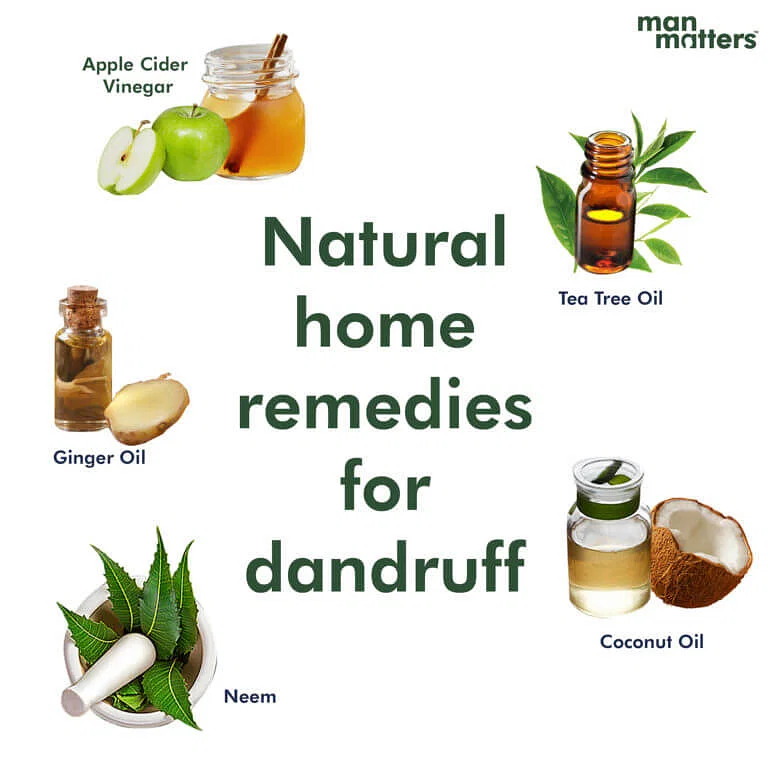
Dandruff, a common skin condition that affects the scalp, can be frustrating to deal with. The symptoms include itching and flaking of the scalp, which can lead to discomfort and embarrassment. However, there are several natural remedies that can help alleviate the symptoms and treat dandruff.
Understanding Dandruff
Dandruff is a chronic skin condition characterized by the appearance of small, white or yellowish flakes on the scalp. It is often accompanied by itching and redness. The exact cause of dandruff is still unknown, but it is believed to be related to an overgrowth of yeast on the scalp, which can irritate the skin and lead to inflammation.
The Importance of Maintaining Good Hygiene
Maintaining good hygiene is essential in preventing dandruff from developing or recurring. This includes washing your hair regularly with a mild shampoo, using a soft-bristled brush or comb to detangle your hair, and avoiding sharing personal care items such as combs, brushes, or towels.
5 Natural Remedies for Dandruff
- Rosemary and Thyme Treatment
This treatment combines the antibacterial and antifungal properties of rosemary with the anti-inflammatory properties of thyme. To make this treatment, steep 10 grams of rosemary in 500 ml of boiling water for 5 minutes. Add 10 grams of thyme and let it infuse for another 2-3 hours. Strain the mixture and apply it to the scalp as a hair mask.
Benefits: Antibacterial, antifungal, anti-inflammatory properties
Ingredients:
- 10 grams of rosemary
- 10 grams of thyme
- 500 ml of boiling water
How to use: Massage the treatment into your scalp for 5 minutes before rinsing with warm water. Repeat once or twice a week.
- Basil Treatment
Basil has anti-inflammatory, antibacterial, and antifungal properties that can help treat dandruff. To make this treatment, steep a few leaves of basil in 1 liter of boiling water for 5 minutes. Strain the mixture and apply it to the scalp as a hair mask.
Benefits: Anti-inflammatory, antibacterial, antifungal properties
Ingredients:
- A few leaves of basil
- 1 liter of boiling water
How to use: Massage the treatment into your scalp for 5 minutes before rinsing with warm water. Repeat once or twice a week.
- Parsley Treatment
Parsley is rich in vitamins and minerals that can help soothe an itchy scalp. To make this treatment, steep 100 grams of parsley in 1 liter of boiling water for 5 minutes. Strain the mixture and apply it to the scalp as a hair mask.
Benefits: Soothes an itchy scalp, reduces inflammation
Ingredients:
- 100 grams of parsley
- 1 liter of boiling water
How to use: Massage the treatment into your scalp for 5 minutes before rinsing with warm water. Repeat once or twice a week.
- Apple Cider Vinegar Treatment
Apple cider vinegar has antibacterial and antifungal properties that can help treat dandruff. To make this treatment, mix 250 ml of apple cider vinegar with 250 ml of water and apply it to the scalp as a hair mask.
Benefits: Antibacterial, antifungal properties
Ingredients:
- 250 ml of apple cider vinegar
- 250 ml of water
How to use: Massage the treatment into your scalp for 5 minutes before rinsing with warm water. Repeat once or twice a week.
- Yogurt, Rosemary, and Lemon Treatment
This treatment combines the antibacterial properties of rosemary with the soothing properties of yogurt and lemon juice. To make this treatment, mix 1 tablespoon of yogurt with 3 drops of rosemary essential oil and 3 drops of lemon essential oil. Apply it to the scalp as a hair mask and leave it on for 15 minutes before rinsing.
Benefits: Antibacterial properties, soothes an itchy scalp
Ingredients:
- 1 tablespoon of yogurt
- 3 drops of rosemary essential oil
- 3 drops of lemon essential oil
How to use: Massage the treatment into your scalp for 5 minutes before rinsing with warm water. Repeat once or twice a week.
Prevention Tips
To prevent dandruff from developing or recurring, it is essential to maintain good hygiene and use gentle hair care products. Avoid using harsh shampoos or conditioners that can strip the scalp of its natural oils. Regularly washing your hair with a mild shampoo can help remove dead skin cells and reduce flaking.
Additionally, incorporating natural remedies into your hair care routine can help alleviate symptoms and prevent dandruff from recurring. However, if the problem persists, it is essential to consult a dermatologist for further advice.
Frequently Asked Questions
Q: What causes dandruff?
A: The exact cause of dandruff is still unknown, but it is believed to be related to an overgrowth of yeast on the scalp.
Q: How can I prevent dandruff?
A: Maintaining good hygiene, using gentle hair care products, and incorporating natural remedies into your hair care routine can help prevent dandruff from developing or recurring.
Q: Are there any home treatments for dandruff?
A: Yes, there are several natural remedies that can help alleviate symptoms and treat dandruff. These include rosemary and thyme treatment, basil treatment, parsley treatment, apple cider vinegar treatment, and yogurt, rosemary, and lemon treatment.
Q: Can I use these remedies on my face as well?
A: No, these remedies are specifically designed for the scalp and should not be used on the face.
Q: How often can I apply these treatments?
A: These treatments should be applied once or twice a week, depending on the severity of symptoms.
Q: Are there any side effects associated with these treatments?
A: There are no known side effects associated with these treatments. However, if you experience any irritation or discomfort, discontinue use and consult a dermatologist.
Q: Can I take these treatments for an extended period?
A: It is not recommended to use these treatments for an extended period without consulting a dermatologist. The duration of treatment will depend on the severity of symptoms and individual response.
Additional Tips
To enhance the effectiveness of these natural remedies, here are some additional tips:
- Always do a patch test before applying any new hair treatment to ensure that you are not allergic to any ingredients.
- Use a soft-bristled brush or comb to detangle your hair before washing it with a mild shampoo.
- Avoid sharing personal care items such as combs, brushes, or towels to prevent the spread of yeast and other scalp irritants.
- Regularly wash your hands after handling your hair or applying any hair treatments.
By incorporating these natural remedies into your hair care routine and following good hygiene practices, you can help alleviate symptoms of dandruff and maintain a healthy scalp.


