
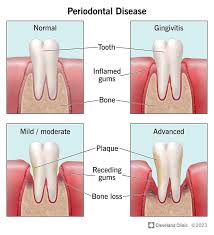
As we age, our teeth undergo various changes that can lead to periodontal disease. This condition affects the supporting tissues around our teeth, including the gums, bone, and tooth roots. It’s essential to recognize the symptoms and causes of periodontal disease to prevent its progression and avoid potential complications.
What is Periodontal Disease?
Periodontal disease refers to a group of disorders that affect the supporting structures of our teeth. If left untreated, these conditions can cause irreparable damage to our gums, bone, and tooth roots. The primary goal of treating periodontal disease is to prevent further complications and maintain good oral health.
Recognizing Symptoms of Periodontal Disease
Common symptoms of periodontal disease include swollen and red gums, bad breath, and difficulty speaking or eating due to discomfort or pain. These signs can be indicative of an underlying infection, which may require medical attention. If you’re experiencing any of these symptoms, it’s crucial to schedule a consultation with your dentist.
Some additional signs that may indicate periodontal disease include:
- Receding gums
- Bleeding gums when brushing or flossing
- Bad taste in the mouth
- Loose teeth
- Painful chewing or biting
Causes of Periodontal Disease
Several factors contribute to the development of periodontal disease. Smoking is one of the most significant risk factors, as it reduces blood flow and increases bacteria accumulation in the mouth. Diabetes and other health conditions can also increase susceptibility to this condition. Understanding these risks will help you take preventive measures to protect your oral health.
Other contributing factors include:
- Poor oral hygiene habits
- Genetics
- Hormonal changes during pregnancy or menstruation
- Certain medications, such as antidepressants and blood pressure medication
- Trauma to the teeth or gums
Effects of Periodontal Disease
Untreated periodontal disease can lead to severe consequences, including tooth loss and damage to surrounding bone tissue. In extreme cases, the infection can spread throughout the body, causing serious complications.
Some potential effects of untreated periodontal disease include:
- Tooth loss
- Bone loss around the teeth
- Changes in bite alignment
- Increased risk of heart disease and other systemic diseases
- Poor overall health
Antibiotics in Treating Periodontal Disease
When treating periodontal disease, antibiotics are often prescribed to eliminate bacteria and promote healing. Antibiotics like amoxicillin are commonly used for this purpose. By understanding their role in treating periodontal disease, you can take steps towards maintaining good oral health.
Some other treatments may include:
- Scaling and root planing (deep cleaning of the teeth)
- Antibacterial mouthwashes
- Gum grafting or surgery to repair damaged tissues
Nutrition and Periodontal Disease Prevention
A balanced diet rich in essential nutrients is vital for preventing periodontal disease. A healthy eating plan that includes minerals and vitamins will help boost your immune system, allowing it to combat potential infections more effectively.
Some key nutrients for maintaining good oral health include:
- Calcium
- Vitamin D
- Phosphorus
- Potassium
- Fiber
Drinking plenty of water is also crucial for maintaining overall health. Adequate hydration helps flush out bacteria and other toxins from the mouth, reducing the risk of infection.
Periodontal Disease in Young People
While many people associate periodontal disease with older adults, this condition can affect individuals of all ages, including young people. Periodontal disease in adolescents and teenagers often presents as gum inflammation or bleeding, making regular dental check-ups essential to prevent further complications.
In fact, research suggests that the prevalence of periodontal disease among young adults is increasing, likely due to factors such as:
- Decreased oral hygiene habits
- Increased consumption of sugary foods and drinks
- Changes in lifestyle and diet
Aggressive Periodontitis: A Common Condition
Aggressive periodontitis is a type of periodontal disease that primarily affects the first molars and incisors, leading to potential tooth loss. This condition often develops rapidly, with teeth showing signs of decay or sensitivity.
Some key characteristics of aggressive periodontitis include:
- Rapid progression of gum inflammation
- Tooth loss due to bone destruction around the roots
- Presence of bacteria in the mouth
Understanding this condition will enable you to take proactive steps towards protecting your oral health.
Marginal Periodontitis: A Serious Condition
This type of periodontal disease causes bone loss around the teeth, often resulting in a receding gum line or pocketing between the teeth and gums. If left untreated, marginal periodontitis can lead to significant complications, making it essential to seek professional help promptly.
Some common symptoms of marginal periodontitis include:
- Receding gums
- Pocketing between the teeth and gums
- Sensitivity when eating or drinking
Acute Periodontitis: The Final Stage
Acute periodontitis represents the most severe form of periodontal disease. This condition causes inflammation and infection that can lead to tooth loss if not treated promptly.
Some key characteristics of acute periodontitis include:
- Severe gum inflammation
- Painful chewing or biting
- Presence of pus or discharge from the affected area
Understanding this stage is crucial for recognizing potential threats to your oral health.
Conclusion
Recognizing symptoms, understanding causes, and taking preventive measures are key to maintaining good oral health. By being proactive about our oral care and seeking professional help when needed, we can prevent further complications and protect our teeth, gums, and overall well-being.
By staying informed about periodontal disease and its effects on our oral health, we can take steps towards preventing this condition and enjoying a healthy, happy smile for years to come.


