
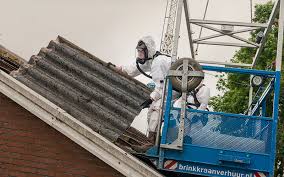
Asbestos, commonly known as the “Silent Killer,” has been banned for over two decades. However, if you need to demolish asbestos, it’s essential to take the necessary steps to ensure your safety and comply with local regulations.
Understanding Asbestos Regulations
In Italy, the ban on asbestos was implemented in 1992, after which the country was one of the world’s largest producers of this hazardous material. However, without proper facilities for disposal, many Italians are still exposed to asbestos-related diseases every year, resulting in approximately 2,000 deaths annually.
When Can Asbestos be Left Undisturbed?
Not all asbestos requires demolition. If the asbestos is in good condition and can be treated with encapsulation using specialized resins, it may be possible to leave it undisturbed. However, this decision must be made by the ARPAC or ASL (Area Sanitaria Locale) responsible for the area.
The Cost of Asbestos Removal
Removing asbestos can be expensive, with the cost of transporting a large container of asbestos ranging from €800-€1,000. Unfortunately, many Italians are still forced to bear these costs due to the lack of local disposal facilities. A significant portion (75%) of asbestos in Italy is exported to Northern European countries for disposal.
History of Asbestos Use
Asbestos was widely used in construction and industry in the mid-20th century. Its properties made it an ideal material for insulation, but its toxicity was only discovered much later. Today, there are concerns about the environmental impact of asbestos waste, leading to increased regulations and bans.
Where is Asbestos Found?
Asbestos can be found in various forms throughout Italy, including:
- Roofing materials (e.g., lastres di eternit rossastro)
- Old smokestacks
- Walls as insulation
- Water containers
- Pipework
Who Can Demolish Asbestos?
Only authorized individuals or companies can demolish asbestos. It’s essential to have the necessary permits and follow safety guidelines to avoid exposure.
Safety Precautions for Asbestos Removal
When working with asbestos, it’s crucial to wear protective gear, including:
- Respiratory masks
- Gloves
- Protective clothing
After exposure, this personal protective equipment should be disposed of properly in hazardous waste containers.
Incentives for Asbestos Removal
The Italian government offers incentives for the removal and replacement of asbestos-containing materials with renewable energy sources. The “Bonus Eternit” program provides financial support for those who install solar panels or other green technologies on their properties.
Conclusion: Asbestos Demolition
Asbestos is a hazardous material that requires careful handling and disposal to prevent exposure. If you need to demolish asbestos, it’s essential to follow local regulations, take necessary safety precautions, and consider incentives for sustainable energy solutions.
FAQs
Q: Is asbestos always banished?
A: Asbestos has been banned in Italy since 1992, but not all cases require demolition. In some cases, it can be treated with encapsulation or left undisturbed if deemed safe by local authorities.
Q: What is the cost of removing asbestos?
A: The cost of transporting a large container of asbestos can range from €800-€1,000. However, this figure may vary depending on location and disposal methods.
Q: Can I remove asbestos myself?
A: No, only authorized individuals or companies can demolish asbestos. It’s essential to follow safety guidelines and obtain necessary permits to avoid exposure.
Q: What protective gear do I need when working with asbestos?
A: When handling asbestos, it’s crucial to wear respiratory masks, gloves, and protective clothing to prevent exposure. After use, personal protective equipment should be disposed of properly in hazardous waste containers.
Q: Are there incentives for asbestos removal?
A: Yes, the Italian government offers “Bonus Eternit” programs that provide financial support for those who install solar panels or other green technologies on their properties.
Q: How can I determine if a building contains asbestos?
A: Contact local authorities (ARPAC or ASL) to have your property inspected and determine if it contains asbestos.
Additional Information
Asbestos can also pose health risks to individuals exposed to the material, particularly in high concentrations. Prolonged exposure has been linked to an increased risk of lung cancer, mesothelioma, and other respiratory diseases.
Health Risks Associated with Asbestos Exposure
- Lung Cancer: Asbestos is classified as a carcinogen by the International Agency for Research on Cancer (IARC). Inhalation of asbestos fibers can lead to the development of lung cancer.
- Mesothelioma: This rare and aggressive form of cancer affects the lining surrounding the lungs, abdomen, or heart. Asbestos exposure is the primary risk factor for mesothelioma.
- Respiratory Diseases: Asbestos can cause chronic obstructive pulmonary disease (COPD) and other respiratory conditions.
Prevention Measures
Preventing asbestos exposure requires a combination of awareness, education, and proper handling techniques. Individuals can take steps to minimize their risk by:
- Avoiding demolition or renovation projects that may involve asbestos-containing materials
- Wearing protective gear when working with asbestos-containing materials
- Ensuring proper ventilation and air circulation during asbestos removal processes
- Supporting initiatives promoting asbestos-free construction practices
Conclusion: The Importance of Asbestos Removal
Asbestos is a hazardous material that poses significant health risks to individuals exposed to it. Demolishing asbestos requires careful planning, specialized equipment, and adherence to safety guidelines to prevent exposure. By following local regulations and taking necessary precautions, individuals can ensure their safety while minimizing the environmental impact of asbestos waste.
Additional Resources
For more information on asbestos removal, please consult the following resources:
- Italian Ministry of Health (Ministero della Salute)
- ARPAC (Autorità Regionale Per la Protezione Ambientale e Sanitaria)
- ASL (Area Sanitaria Locale)
By staying informed and taking proactive steps to address asbestos-related concerns, we can work together to create a safer and healthier environment for everyone.


