
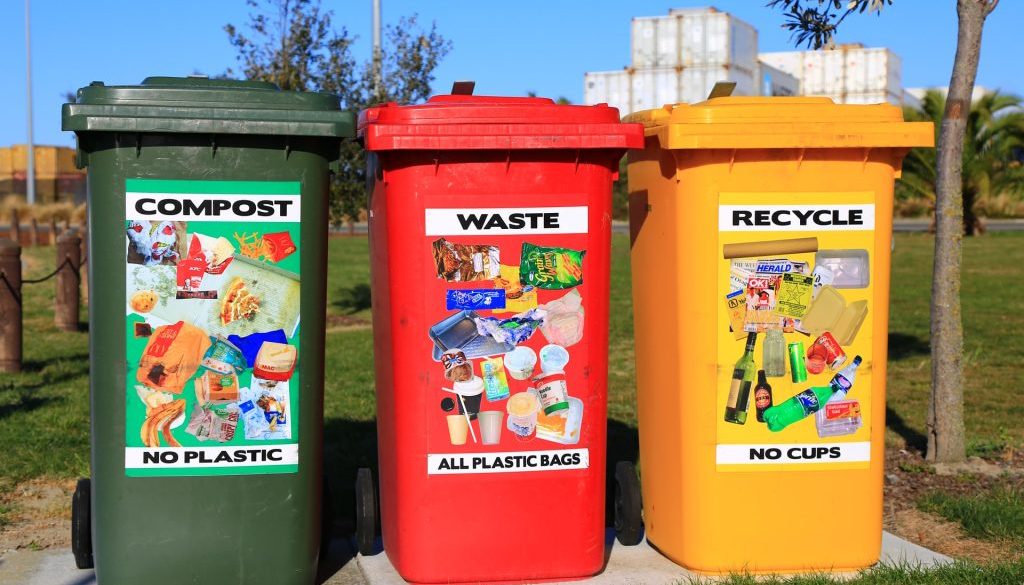
As we strive for a cleaner and healthier environment, it’s essential to understand the importance of effective waste collection, also known as differenziata. This practice not only reduces pollution but also promotes sustainable living. In this article, we’ll delve into the world of differenziata, exploring its benefits, types of waste, and how to implement it in your daily life.
The Benefits of Differenziata
Differenziata is a civic duty that not only safeguards our health but also protects the environment. By segregating waste, we minimize the risks associated with landfills, incinerators, desertification, and resource depletion. In short, differenziata is our ally in creating a better future.
Types of Waste: A Brief Overview
To understand how to collect waste effectively, it’s essential to know what types of waste are acceptable for each category. Let’s break down the most common categories:
Organic Waste
Also known as biodegradable waste, organic materials include:
- Fruits and vegetable scraps
- Bread and baked goods
- Eggshells
- Coffee grounds
- Tea leaves
- Paper products like cardboard and newspaper
- Yard trimmings and leaves
Paper and Cardboard
Accounting for 30% of household waste, paper and cardboard are crucial to recycle. Materials that belong in the paper and cardboard category include:
- Newspaper and magazines
- Cardboard boxes and tubes
- Paper towels and tissues
- Junk mail and catalogs
- Corrugated cardboard
Glass and Metal
Glass and metal waste can be recycled, making them valuable resources. Materials that belong in the glass and metal category include:
- Bottles and jars (glass)
- Aluminum and steel cans
- Tin foil and aluminum pie plates
- Metal lids and containers
Plastic
With over 110 types of plastic, it’s essential to know which ones are recyclable. Materials that belong in the plastic category include:
- Bottles and jugs (plastic)
- Containers and packaging materials
- Film wrap and plastic bags
- Plastic straws and utensils
Implementing Differenziata at Home
Now that we’ve covered the basics, let’s discuss how to incorporate differenziata into your daily routine. Here are some practical tips to get you started:
- Designate a specific area for collecting waste: Making it easily accessible and visible will encourage family members to participate.
- Use color-coded bins or containers: This simple trick makes it simpler to sort and recycle waste.
- Educate family members and roommates: Involving them in the process fosters a sense of responsibility and teamwork.
- Participate in community recycling programs: Community events provide opportunities to make a positive impact on the environment.
Additional Tips for Effective Differenziata
In addition to the initial setup, there are several more steps you can take:
- Label your bins correctly: Ensure that family members know which bin to use by labeling it clearly.
- Clean and maintain your bins regularly: Keep them free from debris and odors to promote a positive experience for everyone involved.
- Check local guidelines and regulations: Familiarize yourself with any specific requirements or restrictions in your area regarding differenziata practices.
- Celebrate successes and learn from failures: Acknowledge the progress you’ve made, but also be open to making adjustments as needed.
Frequently Asked Questions
- What is differenziata, and why is it important?
Differenziata refers to the practice of segregating waste into different categories based on their composition and recyclability. This approach reduces pollution, conserves resources, and promotes sustainable living. - How do I get started with collecting waste at home?
Begin by designating a specific area for collecting waste and using color-coded bins or containers to categorize it. Educate family members and roommates about the importance of differenziata and involve them in the process. - What types of waste are acceptable for each category?
Organic waste includes food scraps, paper products, and yard trimmings. Paper and cardboard include newspaper, cardboard boxes, and paper towels. Glass and metal include bottles, cans, and metal lids. Plastic includes bottles, containers, film wrap, and plastic straws. - How can I participate in community recycling programs?
Research local recycling programs and events in your area and participate by collecting recyclable materials and attending sorting sessions. - What are some common mistakes to avoid when collecting waste?
Common mistakes include not separating waste correctly, using the wrong bins or containers, and not participating in community recycling programs.
By understanding the benefits of differenziata and implementing effective waste collection practices, we can create a cleaner, healthier environment for ourselves and future generations.


