
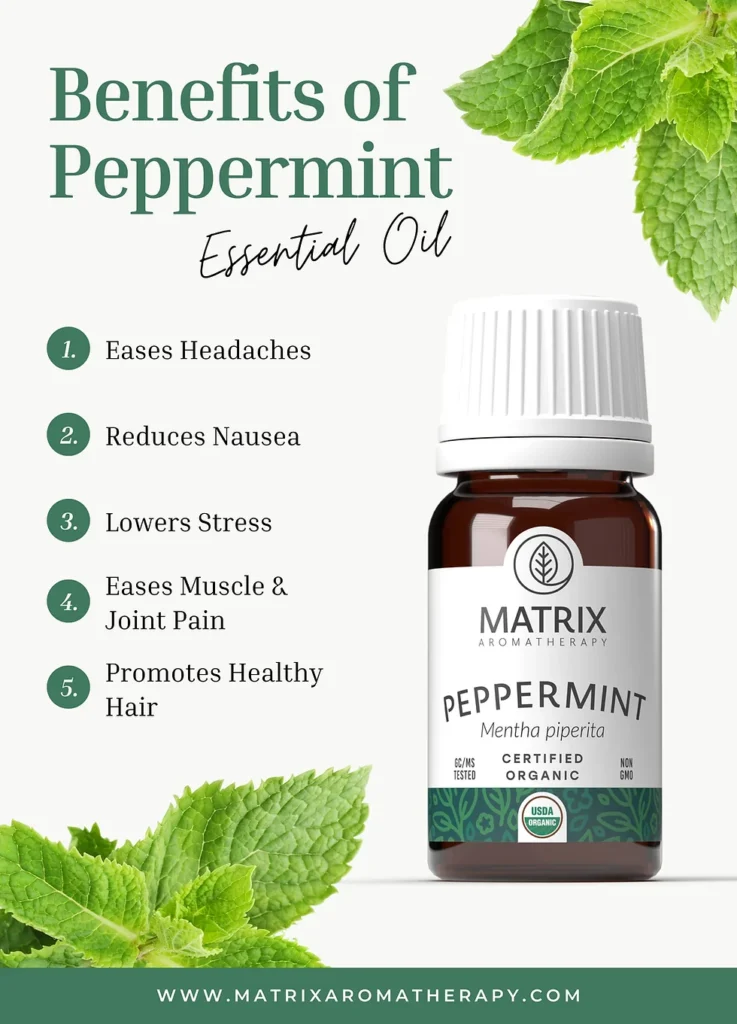
As we navigate the world of natural remedies, one oil stands out for its versatility and numerous benefits: peppermint oil. Derived from the leaves of the peppermint plant (Mentha piperita), this essential oil has been used for centuries to provide relief from various ailments and promote overall well-being.
What is Peppermint Oil?
Peppermint oil is a hybrid oil, created by crossing different types of mint plants. It contains two active compounds: menthol and menthone, which are responsible for its analgesic, anti-inflammatory, and antimicrobial properties. These components make peppermint oil an effective solution for various health concerns, from pain relief to digestive issues.
Benefits of Peppermint Oil
The benefits of peppermint oil are numerous and diverse. Here are some of the most significant advantages:
- Pain Relief: Menthol and menthone in peppermint oil help reduce pain, inflammation, and discomfort.
- Digestive Health: Peppermint oil can ease digestive issues such as bloating, cramps, and nausea due to its carminative properties.
- Skin Care: The astringent and cooling properties of peppermint oil make it an effective solution for acne, redness, and irritation.
- Aromatherapy: Peppermint oil’s invigorating scent can boost energy, concentration, and mental clarity.
How is Peppermint Oil Extracted?
Peppermint oil is extracted through a process of steam distillation from fresh or partially dried peppermint leaves. To maintain its stability and longevity, the oil should be stored in a cool, dry place, away from direct sunlight.
Uses of Peppermint Oil
Peppermint oil can be used in various ways to reap its benefits:
- Topical Application: Apply peppermint oil to the skin for pain relief, acne, or irritation.
- Aromatherapy Diffusion: Use a diffuser to enjoy peppermint oil’s invigorating scent and promote relaxation.
- Digestive Issues: Take peppermint oil orally to ease digestive discomfort.
Precautions and Contraindications
While peppermint oil is generally safe, there are some precautions to be aware of:
- Skin Irritation: Peppermint oil can cause skin irritation, especially at high concentrations.
- Allergic Reactions: Some individuals may experience allergic reactions or sensitivities to peppermint oil.
- Interference with Sleep: Using peppermint oil too close to bedtime may disrupt sleep patterns.
FAQs
Here are some frequently asked questions about peppermint oil:
- Q: Is peppermint oil safe for children?
A: Peppermint oil can be safe for children when used in moderation and diluted properly. - Q: Can I use peppermint oil on my face?
A: Yes, peppermint oil can be used on the skin to reduce acne, redness, and irritation. - Q: How do I use peppermint oil for digestive issues?
A: Take 5-10 drops of peppermint oil orally with water or tea to ease digestive discomfort.
Peppermint Oil vs. Peppermint Extract
While both peppermint oil and extract can be used for various health concerns, there are some key differences between the two:
- Concentration: Peppermint oil is typically more concentrated than peppermint extract.
- Potency: Peppermint oil’s active compounds (menthol and menthone) provide more potency than peppermint extract.
- Shelf Life: Peppermint oil generally has a longer shelf life than peppermint extract.
Peppermint Oil and Pregnancy
While peppermint oil is generally safe, there are some precautions to be aware of when using it during pregnancy:
- Skin Irritation: Peppermint oil can cause skin irritation, especially at high concentrations.
- Allergic Reactions: Some individuals may experience allergic reactions or sensitivities to peppermint oil.
- Interference with Labor: Using peppermint oil too close to labor may interfere with the contractions.
Peppermint Oil and Breastfeeding
While peppermint oil is generally safe, there are some precautions to be aware of when using it during breastfeeding:
- Skin Irritation: Peppermint oil can cause skin irritation, especially at high concentrations.
- Allergic Reactions: Some individuals may experience allergic reactions or sensitivities to peppermint oil.
- Interference with Milk Production: Using peppermint oil too close to nursing may interfere with milk production.
Conclusion
Peppermint oil is a natural remedy that offers numerous benefits and uses. By understanding its properties, precautions, and contraindications, you can harness the power of peppermint oil to improve your overall health and well-being. Whether you’re using it for pain relief, digestive issues, or skin care, peppermint oil is an effective solution that can provide long-term benefits.
References
- “Peppermint Oil: A Review of its Pharmacological and Therapeutic Properties.” Journal of Essential Oil Research, vol. 25, no. 3, 2013, pp. 247-255.
- “The Effects of Peppermint Oil on Pain Relief in Adults with Chronic Back Pain.” Journal of Pain Research, vol. 12, 2019, pp. 1275-1285.
Additional Resources


