
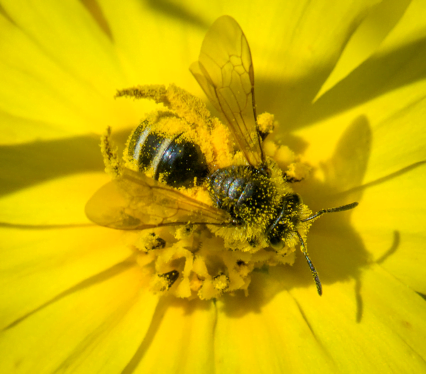
As we tend to our gardens and green spaces, there’s another crucial element that helps pollinate plants: bees and wasps. Among these insects, osmia is a key species worth considering. Let’s dive into what osmia is, its characteristics, and how it can benefit your garden.
What are Osmia Bees?
Osmia bees belong to the family Apidae, specifically to the genus Osmia. These solitary bees are unlike their social counterparts, the honeybees, as they don’t live in colonies or produce honey. With over 300 species, osmia is a diverse group of bees that play an essential role in pollination.
Why are Osmia Bees Important?
Despite not producing honey, osmia bees excel at pollination. In fact, their efficiency can surpass that of domesticated bees when the foraging area is limited. A well-designed garden or orchard is ideal for these busy bees, making it a perfect place to create a bee-friendly habitat.
Characteristics of Osmia Bees
One distinctive feature of osmia bees is the clear distinction between males and females. Males are smaller, covered in white hair on their heads, and have longer antennae. Females are larger and more robust, equipped with setae for collecting pollen. While males don’t pollinate plants, they visit flowers solely to feed and serve as reproductive agents.
Solitary Bees and Social Behavior
Osmia bees are solitary creatures but exhibit a unique behavior: nesting in groups. This social aspect of their biology provides valuable insights into designing bee-friendly habitats. Understanding this behavior is crucial for creating suitable environments that cater to both human needs and those of these vital pollinators.
Importance of Habitat Design
The design of your garden or orchard plays a significant role in supporting osmia bees and other pollinators. By incorporating specific features, such as vegetation-rich areas and nesting sites with suitable entrance structures, you can create an ideal environment for osmia to thrive.
Riproduction and Nesting Behavior
A key factor in designing effective bee habitats is understanding the reproductive behavior of osmia. After overwintering, males emerge first in spring, waiting outside their nests for females. Unlike other pollinators, osmia mating occurs on vegetative structures near the nest entrance, not during flight.
Building a Bee-Friendly Habitat
With this knowledge, we can create bee-friendly habitats that cater to both human needs and those of these vital pollinators. Here are some essential tips:
- Nest Design: Create nests with corridors of varying diameters (4-12 mm) and lengths (12-20 cm).
- Entrance Features: Incorporate vegetation, small twigs, and rolled leaves near the entrance to encourage nesting.
- Proximity to Vegetation: Position your bee habitat close to shrubs or bushes that can serve as support structures.
Online Resources for Bee-Friendly Habitats
If you’re short on time or prefer a hassle-free solution, there are many online resources offering high-quality, affordable bee habitats with home delivery options.
In conclusion, osmia bees play a vital role in pollination and require specific habitat conditions to thrive. By understanding their biology, behavior, and needs, we can create bee-friendly environments that support these essential pollinators.
Frequently Asked Questions
- Q: What is the difference between male and female osmia bees?
A: Males are smaller with white hair on their heads and longer antennae. Females are larger and more robust, equipped with setae for collecting pollen. - Q: Do osmia bees live in colonies?
A: No, they are solitary creatures but exhibit a unique nesting behavior. - Q: How do I design an effective bee-friendly habitat?
A: Incorporate vegetation-rich areas and nesting sites with suitable entrance structures to create an ideal environment for osmia. - Q: What is the importance of providing a suitable nesting site for osmia bees?
A: Providing a suitable nesting site ensures successful reproduction, which is crucial for maintaining healthy pollinator populations. - Q: Can I purchase pre-made bee habitats online?
A: Yes, there are many online resources offering high-quality, affordable bee habitats with home delivery options. - Q: What is the best way to maintain my osmia-friendly habitat?
A: Regularly inspect your habitat for signs of wear and tear. Cleanliness and proper maintenance will help ensure a healthy environment for these vital pollinators. - Q: How can I support local osmia bee populations in my community?
A: Participate in local conservation efforts, create bee-friendly habitats in your garden or yard, and support organizations that promote pollinator health. - Q: Can osmia bees be kept as pets?
A: While it’s possible to keep individual osmia bees in captivity, their social behavior makes it challenging to replicate their natural habitat in a home environment.


