
Did you know that driving at a speed of 105 km/h instead of 120 km/h can save approximately 15% of fuel? And that maintaining properly inflated and aligned tires (known as convergence) can increase the number of kilometers driven per liter by about 3.3%? Combine these two factors, and you get a significant energy savings – especially for those who can afford to travel.
As we all know, traveling is an essential part of our lives, whether it’s for work, leisure, or family trips. With the ever-increasing global demand for transportation, it’s no surprise that energy consumption has become a major concern. However, with the right strategies and mindset, we can significantly reduce our carbon footprint while still enjoying our travels.
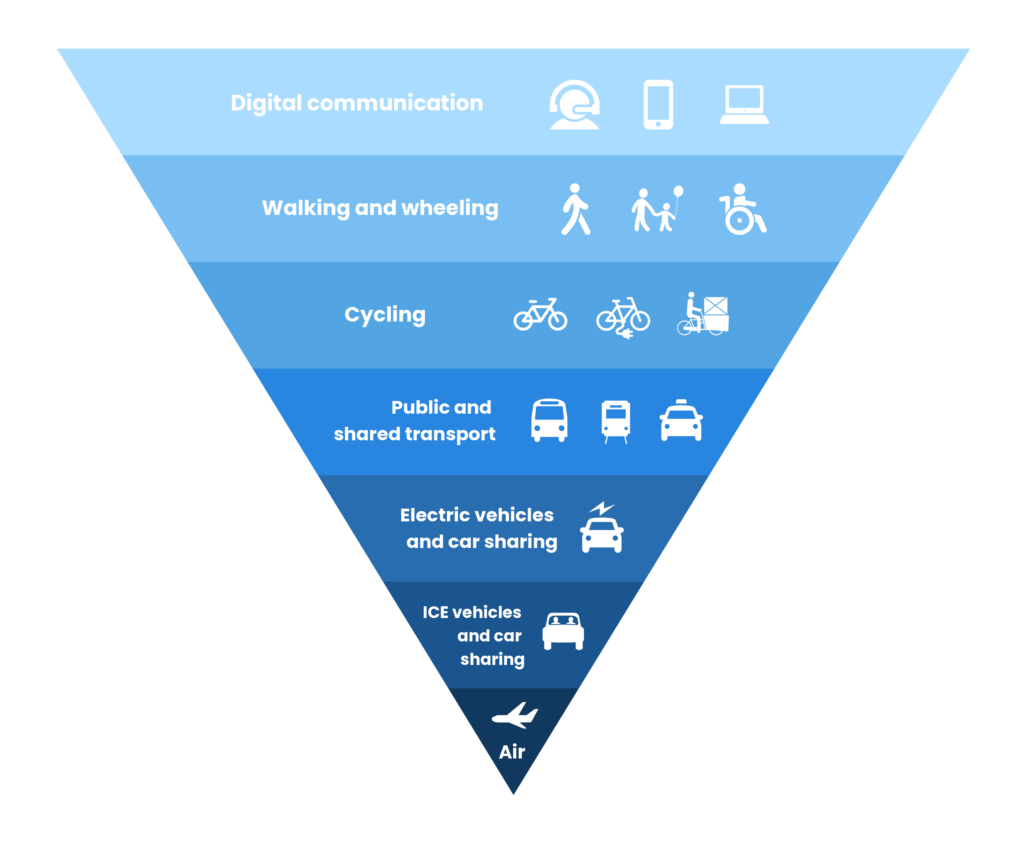
In this article, we’ll explore the power of energy conservation in travel, focusing on cars, public transportation, and alternative modes of transport like walking, biking, and electric vehicles. We’ll also delve into some frequently asked questions to help you make informed decisions about your next trip.
Cars: A Major Energy Consumer
When it comes to traveling by car, we often overlook the simple yet effective ways to save energy. Here are a few tips to get you started:
- Drive efficiently: One of the simplest ways to reduce fuel consumption is to drive at a moderate pace. This not only saves fuel but also reduces wear and tear on your vehicle.
- Maintain your car: Regular maintenance, such as changing the oil, checking tire pressure, and ensuring proper alignment, can significantly improve your car’s fuel efficiency.
- Use eco-friendly vehicles: Consider switching to an eco-friendly vehicle, such as a hybrid or biodiesel-powered car with high efficiency.
- Turn off unnecessary accessories: Air conditioners are useful but also expensive, consuming up to 10% more fuel when in use. However, during high-speed drives (above 80 km/h), it’s better to turn on the air conditioner than open a window, as aerodynamic resistance would consume even more energy.
- Use solar-powered charging systems: Many electric vehicles come with solar-powered charging systems that recharge their batteries while parked outside.
Public Transportation: A Viable Alternative
While public transportation may not be as convenient or direct as driving a car, it’s still an excellent way to reduce your carbon footprint and save energy. Here are some benefits of using buses, trains, and trams:
- Lower emissions: Public transportation tends to have lower emissions compared to private vehicles.
- Reduced traffic congestion: By using public transportation, you’ll also contribute to reducing traffic congestion, which can lead to improved air quality and reduced fuel consumption.
- Relaxation: Let’s not forget the added benefit of reduced stress – after all, that’s another way to save energy!
However, it’s essential to consider the pros and cons of using public transportation:
- Limited routes and schedules: Public transportation may not always be available or convenient, especially in rural areas.
- Crowding: During peak hours, public transportation can be crowded, which may lead to increased energy consumption due to the number of passengers.
Alternative Modes of Transport
Walking, biking, and electric vehicles are excellent alternatives to driving a car for short trips:
- Walking: Walking is an excellent way to save energy, especially if you live in an urban area with well-maintained bike paths.
- Biking: Biking not only saves energy but also provides a great workout. Assisted-pedal e-bikes make cycling effortless at 20 km/h with up to 50 kilometers of autonomy thanks to small, quickly rechargeable batteries.
- Electric vehicles: Electric vehicles are becoming increasingly popular, and for good reason – they’re an eco-friendly alternative to traditional cars.
Solar-Powered Bikes: A Revolutionary Concept
The Solar Bike is a revolutionary concept that runs entirely on solar energy. This innovative bike uses a special panel on its frame to generate electricity while parked outside. With a range of up to 100 km per day, the Solar Bike is perfect for short trips or summer vacations.
Frequently Asked Questions
- What’s the best way to save energy while driving?
The answer lies in finding the right balance between speed and fuel efficiency. For instance, considering a hybrid or biodiesel-powered vehicle can help reduce emissions. - How much fuel can I save by using solar panels on my bike?
While it’s difficult to provide an exact percentage of savings, solar-assisted e-bikes are designed to maximize energy generation when pedaled under the sun. - Can public transportation really help with reducing emissions?
Yes, they do. While not perfect, using buses, trains, and trams can significantly lower your carbon footprint compared to driving a car. - What’s the most efficient way to travel for short distances?
Walking or biking are excellent options, especially if you live in an urban area and have access to well-maintained bike paths. - Can electric vehicles be charged at home?
Yes, they can! Many models come with solar-powered charging systems that recharge their batteries while parked outside. - How does the Solar Bike work?
The Solar Bike uses only solar energy, powered by a special panel on its frame, to drive up to 100 km per day (still in prototype phase). - What’s the best way to reduce stress while traveling?
A combination of regular exercise and using public transportation can help alleviate stress – it’s also an environmentally friendly option! - Can I really make a difference with small changes in my daily routine?
Absolutely! Every little bit counts, whether it’s turning off lights or choosing eco-friendly vehicles for your next trip.
In conclusion, energy conservation is a vital aspect of traveling that can significantly reduce our carbon footprint and save energy. By incorporating simple strategies like driving efficiently, using eco-friendly vehicles, and exploring alternative modes of transport, we can make a real difference in the long run. Whether it’s switching to an electric vehicle or trying out a solar-powered bike, there are many ways to travel sustainably and enjoy your next adventure with a clear conscience.


