
Introduction to Digitopression
Digitopression is a traditional Chinese medicine technique that combines elements of massage and acupressure without the use of needles. It’s an ancient practice that has been used for centuries in China, but its popularity is increasing globally due to its potential benefits for overall well-being.
In this article, we’ll explore what digitopression is, how it works, its benefits, and risks, as well as provide guidance on when and how to practice it safely.
History of Digitopression
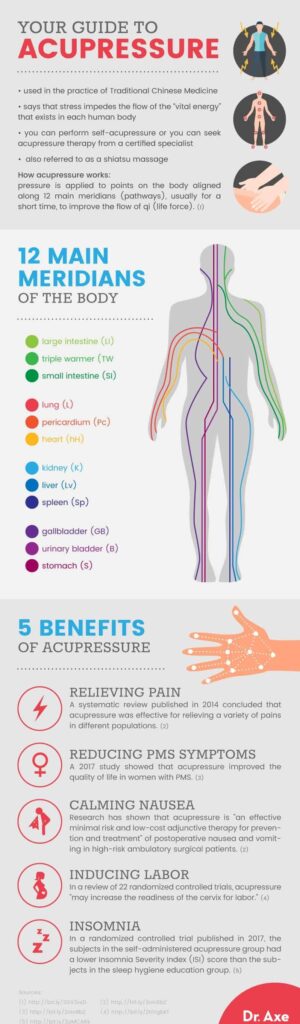
Digitopression has its roots in traditional Chinese medicine, where it was used for centuries to treat a wide range of ailments. The practice is based on the concept of qi (also spelled chi) or life energy that flows through the body along specific pathways called meridians. There are 14 main meridians in the body, each associated with a particular organ system.
The earliest recorded evidence of digitopression dates back to the Han Dynasty (206 BCE – 220 CE), where it was used as a treatment for various health issues. However, it wasn’t until the Ming Dynasty (1368-1644 CE) that digitopression became more widely accepted and practiced throughout China.
How Does Digitopression Work?
Digitopression is based on the concept of qi or life energy that flows through the body along specific pathways called meridians. There are 14 main meridians in the body, each associated with a particular organ system. The practice involves applying pressure to specific points along these meridians using the fingers, palms, or other tools.
The goal of digitopression is to restore balance to the flow of qi and alleviate any blockages or imbalances that may be causing physical or emotional discomfort. This can lead to a range of benefits, including reduced stress and anxiety, improved sleep quality, enhanced digestion, and relief from chronic pain.
Benefits of Digitopression
While more research is needed to fully understand the effects of digitopression, many people have reported positive experiences with this practice. Some potential benefits include:
- Reduced muscle tension and pain
- Improved circulation and immune function
- Enhanced mood and reduced stress levels
- Better sleep quality
- Improved digestion and overall gut health
Scientific Research on Digitopression
While there is limited scientific research on digitopression, several studies have investigated the effects of traditional Chinese medicine techniques, including acupressure and massage. These studies suggest that these practices can have a positive impact on physical and emotional well-being.
For example, one study published in the Journal of Alternative and Complementary Medicine found that acupressure increased feelings of relaxation and reduced symptoms of anxiety and depression. Another study published in the Journal of Massage Therapy found that massage improved sleep quality and reduced pain levels in patients with chronic low back pain.
When Can You Try Digitopression?
Digitopression can be beneficial for a wide range of people, but it’s not suitable for everyone. Certain individuals should avoid practicing digitopression due to underlying medical conditions or concerns.
For example:
- Pregnant women
- People with certain types of cancer or tumors
- Those with spinal cord injuries or degenerative disc disease
- Individuals with severe osteoporosis or fractures
Precautions and Contraindications
Before starting a digitopression practice, it’s essential to consider the following precautions:
- Avoid applying pressure to sensitive areas, such as the abdomen, neck, or joints.
- Don’t perform self-massage on individuals who are pregnant, have certain medical conditions, or are taking medication without consulting their healthcare provider.
Using Digitopression for Specific Ailments
Digitopression can be used to alleviate a range of health issues, including:
- Headaches and Migraines: Pressure points in the temples, neck, and shoulders may help reduce tension and alleviate pain.
- Weight Loss: Improving digestion, reducing stress levels, and increasing energy expenditure may support weight loss efforts.
- Cervical Pain: Applying pressure to specific points along the cervical spine can help relieve tension and pain.
- Anxiety and Stress: Digitopression’s relaxation-inducing effects can help reduce anxiety levels.
Getting Started with Digitopression
To begin practicing digitopression safely and effectively:
- Find an experienced practitioner or guide who has received proper training in this technique.
- Learn about the anatomy of your body, including the location of key meridian points.
- Practice regularly to develop a deeper understanding of how the practice works.
Tips for Practicing Digitopression
Here are some tips for practicing digitopression:
- Use light pressure and gradually increase as needed
- Focus on relaxing your muscles before applying pressure
- Breathe deeply and slowly while practicing
- Avoid applying pressure to sensitive areas
- Practice regularly to develop a deeper understanding of how the practice works
Conclusion
Digitopression is an ancient practice that combines elements of massage and acupressure without needles. While its benefits are numerous, it’s essential to approach this technique with caution and respect for individual limitations. By following proper guidelines and precautions, anyone can safely explore the potential benefits of digitopression for overall well-being.
Frequently Asked Questions
- What is the difference between digitopression and acupressure?
Digitopression combines elements of massage and acupressure without needles, while acupressure typically involves applying pressure to specific points using fingers or tools. - Can I try digitopression at home?
Yes, but it’s recommended that you start with guidance from an experienced practitioner or online tutorials before attempting self-massage. - How often should I practice digitopression?
The frequency of practice will depend on your individual needs and goals. Some people may choose to practice daily, while others prefer a more sporadic approach. - Is digitopression suitable for children?
While some parents report positive experiences with digitopression for their children, it’s essential to consult with a healthcare provider before starting this practice on minors. - Can I use digital tools or apps to guide my practice?
Yes, there are several digital tools and apps available that can help you learn about the anatomy of your body and provide guidance on digitopression techniques.
Conclusion
In conclusion, digitopression is a unique and effective practice that combines elements of massage and acupressure without needles. By understanding how it works, its benefits, and risks, anyone can safely explore the potential benefits of this ancient practice for overall well-being.


