
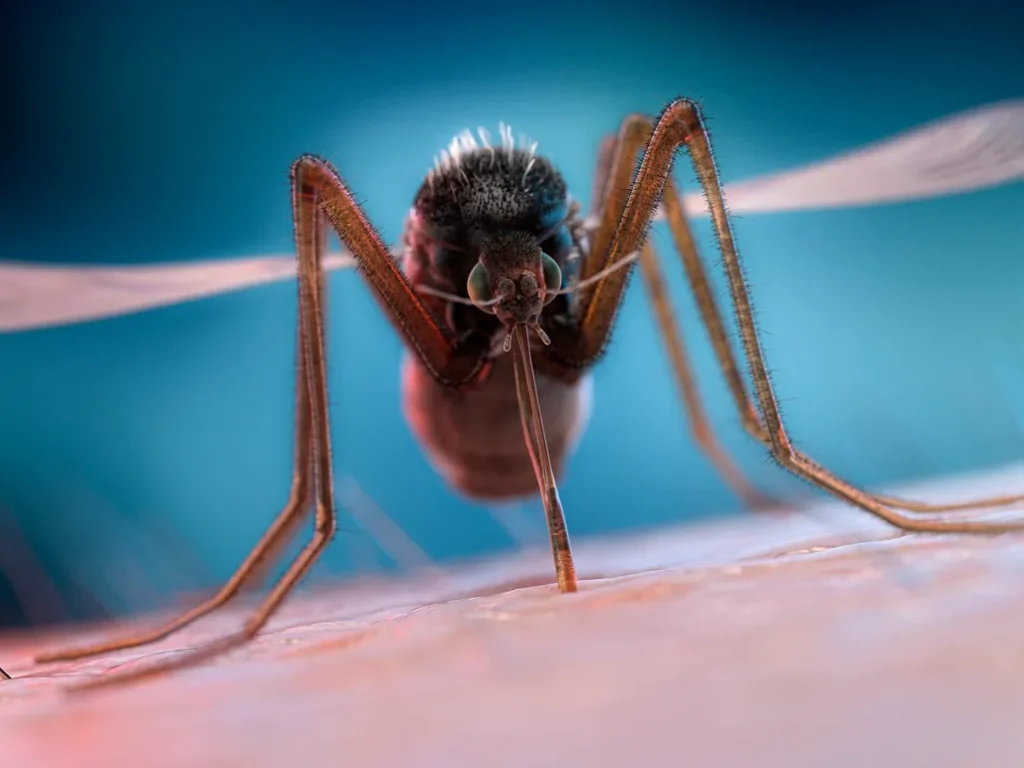
Are you aware of the deadliest insects that pose a threat to human life? From mosquitoes that spread malaria to fire ants that can kill thousands of animals in one raid, these tiny creatures are often underestimated but pack a deadly punch. In this article, we’ll delve into the world of venomous insects and explore the most deadly ones that you should know about.
1. Mosquitoes: The Leading Cause of Death
Mosquitoes may seem harmless, but they’re responsible for the highest number of human deaths annually. According to the World Health Organization (WHO), mosquitoes transmit diseases like malaria, dengue fever, yellow fever, and encephalitis, which claim millions of lives every year. In fact, it’s estimated that 1 million people die each year due to mosquito-borne illnesses.
One of the reasons mosquitoes are so deadly is their ability to adapt to different environments and ecosystems. They can be found in almost every part of the world, from tropical regions to temperate climates, making them a constant threat to human health.
2. Fire Ants: The Largest Insect Colonies
Fire ants have the largest insect colonies in the world, with some colonies numbering up to 22 million individuals. These ants are known for their aggressive behavior and can inflict thousands of painful stings on humans and animals alike. Even elephants run away from fire ant attacks!
The venom from fire ants is a complex mixture of compounds that can cause severe pain, inflammation, and swelling. In addition, the heat produced by these insects can be fatal to small mammals and reptiles.
Fire ants are found in tropical and subtropical regions around the world, including parts of North America, South America, Africa, Asia, and Australia. They’re often considered pests due to their ability to infest homes and crops, but their venom is also a serious threat to human health.
3. Deadly Wasps: The Aggressive Killer
Deadly wasps, also known as African honey bees, are one of the most aggressive insects in the world. These wasps attack in groups, targeting human faces and eyes with their potent venom. A single bee’s sting is not lethal, but an attack by multiple bees can be fatal.
The venom from deadly wasps contains a compound called melittin, which is responsible for the pain and inflammation caused by their stings. In addition, these wasps are known to become aggressive when threatened or disturbed, making them a formidable foe.
Deadly wasps are found in tropical regions of Africa, including South Africa, where they’re considered a serious threat to human health. They’re also found in other parts of the world, including Asia and Europe, although their populations are much smaller than those in Africa.
4. Tsetse Flies: The Poisonous Insect
Tsetse flies are deadly insects from Africa that feed on vertebrate blood. Their venom can render a person unconscious and lead to death without proper treatment. It’s estimated that around half a million people have died due to Tsetse fly attacks in Africa.
The venom from Tsetse flies contains a compound called trypanosoma, which is responsible for the pain, swelling, and bleeding caused by their bites. In addition, these flies are known to transmit a disease called sleeping sickness, which can be fatal if left untreated.
Tsetse flies are found in the tropical regions of Africa, including countries such as Angola, Democratic Republic of Congo, Kenya, Malawi, Mozambique, Rwanda, South Sudan, Tanzania, and Zambia. They’re considered one of the most deadly insects in the world due to their ability to transmit diseases like sleeping sickness.
5. Japanese Giant Hornets: The Largest Insect Species
Japanese giant hornets are the largest insect species in the world, with some colonies containing up to 700 members. These wasps are known for their aggressive behavior and can kill multiple humans with a single sting.
The venom from Japanese giant hornets contains a compound called melittin, which is responsible for the pain and inflammation caused by their stings. In addition, these wasps are known to become aggressive when threatened or disturbed, making them a formidable foe.
Japanese giant hornets are found in Japan, where they’re considered one of the most deadly insects due to their ability to transmit diseases like bacterial infections. They’re also found in other parts of Asia, including China and Korea, although their populations are much smaller than those in Japan.
6. Red Ants: The Painful Stingers
Red ants are one of the most painful stinging insects, causing skin problems and infections. These ants attack in groups, ranging from ten to hundreds, making them a formidable foe.
The venom from red ants contains a compound called formic acid, which is responsible for the pain and inflammation caused by their stings. In addition, these ants are known to become aggressive when threatened or disturbed, making them a serious threat to human health.
Red ants are found in tropical regions around the world, including parts of North America, South America, Africa, Asia, and Australia. They’re often considered pests due to their ability to infest homes and crops, but their venom is also a serious threat to human health.
7. Flies: External Parasites
Flies are external parasites that feed on human blood, causing itching and infections. With over 100 million species worldwide, flies can be found almost everywhere, making them a constant threat to human health.
The saliva from flies contains a compound called histamine, which is responsible for the itching and inflammation caused by their bites. In addition, these insects are known to transmit diseases like typhoid fever and cholera.
Flies are found in tropical regions around the world, including parts of North America, South America, Africa, Asia, and Australia. They’re often considered pests due to their ability to infest homes and crops, but their bites can also be a serious threat to human health.
8. Fly Larvae: Internal Parasites
Fly larvae are internal parasites that live under human skin for up to 60 days before being detected. These deadly larvae can cause terrible effects, including skin irritation and infections.
The saliva from fly larvae contains a compound called histamine, which is responsible for the itching and inflammation caused by their bites. In addition, these larvae are known to transmit diseases like typhoid fever and cholera.
Fly larvae are found in tropical regions around the world, including parts of North America, South America, Africa, Asia, and Australia. They’re often considered internal parasites due to their ability to live under human skin for extended periods of time.
Conclusion
In conclusion, this article has provided an overview of the most deadly insects in the world. From mosquitoes that spread malaria to fire ants that can kill thousands of animals in one raid, these tiny creatures are often underestimated but pack a deadly punch.
By understanding the deadliest insects in the world, we can take necessary precautions to prevent encounters with these tiny creatures. This includes wearing protective clothing, avoiding areas where these insects are found, and seeking medical attention immediately if you’re bitten or stung by an insect.
In addition, researchers and scientists are working hard to develop new treatments for insect-borne diseases and to create more effective pest control methods. By working together, we can reduce the threat posed by deadly insects and make our world a safer place.
Frequently Asked Questions (FAQs)
- Q: What is the deadliest insect that causes human deaths?
A: Mosquitoes are responsible for the highest number of human deaths annually due to diseases like malaria, dengue fever, and yellow fever. - Q: How many people die each year from mosquito-borne illnesses?
A: According to the WHO, 1 million people die each year due to mosquito-borne illnesses. - Q: What is the largest insect colony in the world?
A: Fire ants have the largest insect colonies in the world, with some colonies numbering up to 22 million individuals. - Q: How many deaths can be attributed to Tsetse fly attacks in Africa?
A: It’s estimated that around half a million people have died due to Tsetse fly attacks in Africa. - Q: What is the deadliest venom from an insect sting?
A: The deadly wasp’s venom is considered one of the most potent and lethal, with multiple stings capable of killing humans. - Q: Can fly larvae live inside human skin for long periods?
A: Yes, fly larvae can live under human skin for up to 60 days before being detected. - Q: Are Japanese giant hornets found in the United States?
A: No, Japanese giant hornets are not native to North America and have not been reported in the United States. - Q: Can fire ant stings cause death?
A: While rare, multiple fire ant stings can be fatal due to allergic reactions and anaphylaxis.
By understanding the deadliest insects in the world, we can take necessary precautions to prevent encounters with these tiny creatures and reduce the threat posed by deadly insect-borne diseases.


