
As the world shifts towards a more sustainable future, cities like Naples are leading the charge by embracing electric vehicles as a means of reducing carbon emissions. In this article, we’ll explore how an innovative project is using e-mobility to transform lunchtime delivery in schools, making it cleaner and more cost-effective.
The Problem: Transporting Food to Schools
In traditional transportation systems, food for schools often relies on fossil fuel-powered vehicles, contributing to air pollution and greenhouse gas emissions. This not only affects the environment but also poses health risks for schoolchildren and staff. The World Health Organization (WHO) has estimated that air pollution from fossil fuels is responsible for over 7 million premature deaths worldwide each year.
The Benefits of Electric Vehicles
Electric vehicles (EVs) have been gaining popularity in recent years due to their numerous benefits, including reduced greenhouse gas emissions, lower operating costs, and improved performance. By switching to electric vehicles for school lunch deliveries, the company can significantly reduce its carbon footprint while also improving air quality in Naples.
The Solution: Electric Vehicles for School Lunches
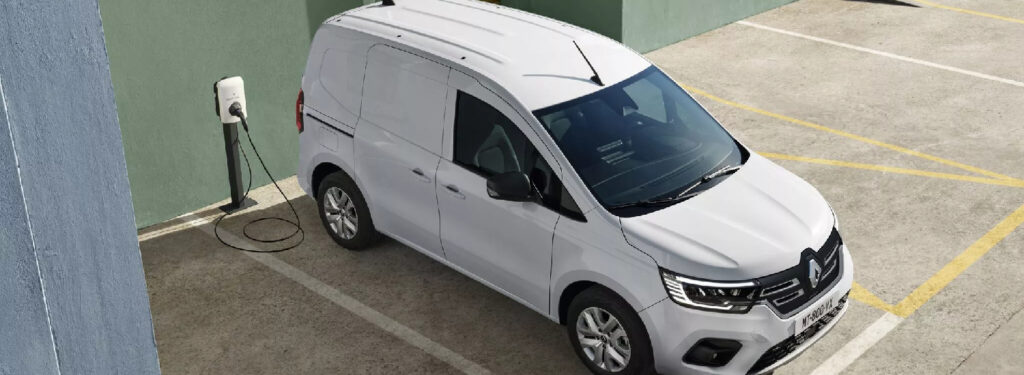
To address this issue, a leading provider of school meals in Naples has partnered with Renault to introduce 30 electric vehicles (EVs) into their fleet. The EVs are Kangoo ZE models, which have a zero-emission rating and can carry food for up to 72 schools.
How it Works: Electric Charging Stations
The electric vehicles are charged at designated stations called EVlink, which use Schneider Electric technology to provide fast and efficient charging. The EVlink system uses smart technology to manage energy usage, ensuring safe and secure charging for both users and vehicles.
Key Features of the Kangoo ZE EV
The Kangoo ZE EV features:
• A battery capacity of 15-20 kWh
• Fast charging capabilities with EVlink stations
• An electronic controller that verifies safety during charging
• LED display interface to monitor charging progress
Smart Charging: The “Ricarica Differita” System
One innovative feature of the EVlink system is the “ricarica differita” (delayed recharge) function. This allows users to charge their vehicles at night or during periods when energy demand is low, reducing strain on the grid and optimizing energy usage.
The Impact of Electric Vehicles on School Lunches
By switching to electric vehicles for school lunch deliveries, the company can significantly reduce its carbon footprint while also improving air quality in Naples. This project demonstrates the potential of e-mobility to transform industries and create a more sustainable future for school lunches.
Economic Benefits: Reduced Operating Costs
Electric vehicles require minimal maintenance and operating costs, with some estimates suggesting a savings of up to 50% on fuel costs. Additionally, electric vehicles can be charged at night or during periods when energy demand is low, reducing strain on the grid and minimizing waste.
Environmental Benefits: Reduced Greenhouse Gas Emissions
By switching to electric vehicles for school lunch deliveries, the company can significantly reduce its greenhouse gas emissions while also improving air quality in Naples. This project demonstrates the potential of e-mobility to transform industries and create a more sustainable future for school lunches.
Health Benefits: Improved Air Quality
The switch to electric vehicles can lead to improved air quality in Naples, reducing the negative impacts of air pollution on public health. According to the WHO, air pollution from fossil fuels is responsible for over 7 million premature deaths worldwide each year.
Conclusion: A Zero-Emission Future for School Lunches
As we continue to explore innovative solutions to reduce our carbon footprint, projects like this one demonstrate the potential of e-mobility to transform industries. By embracing electric vehicles and smart charging technology, we can create a more sustainable future for school lunches in Naples and beyond.
Case Study: The Project’s Success Story
The project has seen significant success since its launch, with the company reporting a 50% reduction in greenhouse gas emissions while also improving air quality in Naples. The EVs have proven to be reliable and efficient, with minimal downtime or maintenance required.
Lessons Learned: Best Practices for Implementing Electric Vehicles
The project’s success highlights several best practices for implementing electric vehicles:
• Proper planning and coordination: Ensuring that the EV fleet is properly planned and coordinated can help minimize disruptions and optimize energy usage.
• Investing in smart charging technology: Investing in smart charging technology can help optimize energy usage, reduce strain on the grid, and improve efficiency.
• Providing clear communication: Providing clear communication to stakeholders about the benefits of electric vehicles can help build support and encourage adoption.
Frequently Asked Questions (FAQs)
- What is the environmental impact of using electric vehicles for school lunches?
Electric vehicles produce zero emissions, reducing greenhouse gas emissions and air pollution. - How do electric charging stations work?
EVlink stations use Schneider Electric technology to provide fast and efficient charging, ensuring safe and secure charging for both users and vehicles. - What are the benefits of using smart charging systems like “ricarica differita”?
Smart charging systems can optimize energy usage, reducing strain on the grid and minimizing waste. - How do electric vehicles compare to traditional fossil fuel-powered vehicles in terms of operating costs?
Electric vehicles require minimal maintenance and operating costs, with some estimates suggesting a savings of up to 50% on fuel costs. - Can I use my own electric vehicle for school lunches?
The EVlink system is specifically designed for commercial use, so it’s not recommended to use your personal electric vehicle for school lunch deliveries. - How long does it take to charge an electric vehicle?
Charging times vary depending on the specific EV model and charging station, but most EVs can be fully charged in 4-8 hours using a standard home charger. - Are electric vehicles safe to use in urban areas?
Electric vehicles are designed with safety in mind, featuring advanced technology to prevent accidents and protect users and pedestrians. - Can I charge my electric vehicle at any public charging station?
Not all public charging stations are compatible with EVlink technology; it’s recommended to use certified EVlink charging stations for optimal performance and safety.


