
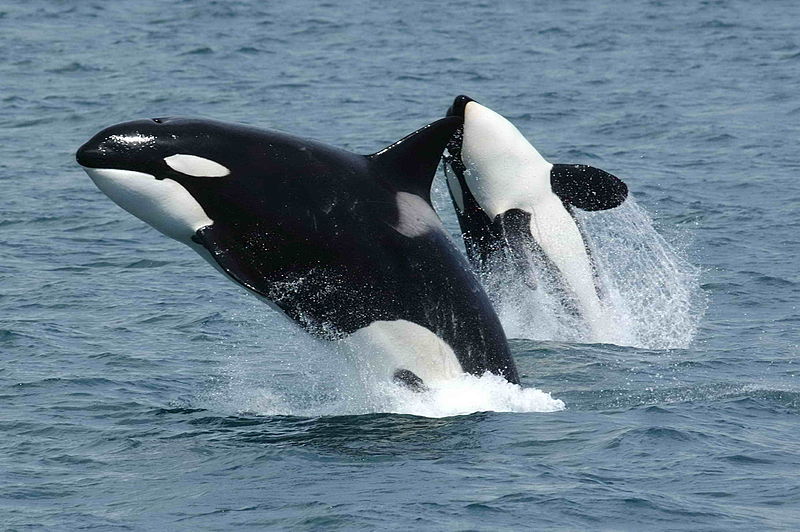
As we dive into the world of orcas, also known as killer whales, we find ourselves in the presence of an extraordinary creature. Belonging to the same family as dolphins (Delphinidae), orcas are a type of cetacean that has captured our imagination for centuries. Their intelligence, social complexity, and adaptability have made them one of the most fascinating creatures in the animal kingdom.
What Makes Orcas Unique?
Unlike other mammals, orcas have adapted to their aquatic environment, developing a streamlined body shape similar to that of fish. This unique design allows them to swim efficiently and hunt with precision. But what sets orcas apart from other cetaceans is their intelligence and complex social behavior. They are known for their advanced communication skills, using a variety of clicks, whistles, and body language to convey information and coordinate actions.
Social Structure of Orcas
Orcas are highly social creatures that live in groups, known as pods. These pods can range in size from a few individuals to hundreds of orcas, and each pod has its own unique culture and traditions. Within these pods, orcas have been observed exhibiting complex behaviors such as cooperation, communication, and even cultural transmission. For example, some pods have been known to adopt new members, while others have developed specific hunting strategies that are passed down through generations.
Reproduction and Parenting
Like all mammals, orcas reproduce. However, the process is quite different from what we see in other animals. The gestation period for orcas is around 17 months, which is one of the longest among mammals. After giving birth, the mother orca takes care of her calf, often relying on the help of other pod members to hunt and feed. This cooperative behavior is crucial for the survival of both the mother and the calf.
Diet and Hunting
Orcas are skilled hunters that feed on a variety of prey, including fish, squid, seals, sea lions, and even other whales. Their hunting strategy involves working together as a team, using complex vocalizations and echolocation to corral their prey. This coordinated effort allows them to catch their prey more efficiently, making them one of the top predators in the ocean.
Habitat and Distribution
Orcas can be found in oceans all around the world, from the Arctic to the Antarctic. They are a widely distributed species, with different populations adapting to various environments and ecosystems. For example, the resident orcas of the Pacific Northwest have been observed feeding on salmon, while the transient orcas of the same region feed on other marine mammals.
Conservation Status
Despite their adaptability and intelligence, orcas are facing numerous threats in the wild. Their populations are declining due to various factors such as pollution, overfishing, climate change, and habitat degradation. Additionally, orcas have been captured for captivity, leading to concerns about the impact on their welfare and well-being.
The Dark Side of Captivity
In contrast to their natural habitat, orcas in captivity often exhibit abnormal behavior, such as pacing, self-mutilation, and aggression towards humans. The most infamous example is Tilikum, an orca that was kept at SeaWorld and was responsible for the deaths of three trainers. These incidents highlight the need for more research into the impact of captivity on orcas and other cetaceans.
Conclusion
Orcas are truly remarkable creatures that continue to fascinate us with their intelligence, social complexity, and adaptability. As we learn more about these incredible animals, we must also acknowledge the challenges they face in the wild and work towards protecting their populations and habitats. By supporting conservation efforts, reducing plastic pollution, and spreading awareness about orcas and other cetaceans, we can make a positive impact on their survival.
Frequently Asked Questions:
- What do orcas eat?
- Orcas are carnivores and feed on a variety of prey, including fish, squid, seals, sea lions, and other whales.
- Where can I see orcas in the wild?
- Orcas can be found in oceans all around the world, from the Arctic to the Antarctic.
- Are orcas social animals?
- Yes, orcas are highly social creatures that live in groups, known as pods, and exhibit complex behaviors such as cooperation, communication, and cultural transmission.
- How long do orcas live in captivity?
- Orcas in captivity often have shorter lifespans than those in the wild due to various stressors such as inadequate living conditions and lack of stimulation.
- Are orcas intelligent animals?
- Yes, orcas are highly intelligent creatures that have been observed exhibiting complex behaviors such as problem-solving, self-awareness, and cultural learning.
- Can I help protect orca populations in the wild?
- Yes, you can contribute to protecting orca populations by supporting conservation efforts, reducing plastic pollution, and spreading awareness about these incredible animals.
- What is the average lifespan of an orca in the wild?
- In the wild, orcas can live up to 50-80 years, although their average lifespan is around 30-40 years due to various threats such as pollution, overfishing, and climate change.
- Can I visit SeaWorld to see orcas in captivity?
- While it’s possible to visit SeaWorld, many experts recommend avoiding these facilities due to concerns about the impact on the animals’ welfare and the lack of transparency regarding their treatment and living conditions.
Additional Facts:
- Orcas have distinct dialects: Just like humans, orcas have unique accents and dialects that can be used to identify specific populations.
- Orcas are skilled divers: Orcas have been observed diving as deep as 400 meters (1,312 feet) in search of food or to communicate with other pod members.
- Orcas have excellent eyesight: Orcas have highly developed eyes that allow them to detect even the smallest movements in their surroundings.
- Orcas are apex predators: As one of the top predators in the ocean, orcas play a crucial role in maintaining the balance of marine ecosystems.
By continuing to learn more about these incredible creatures, we can gain a deeper appreciation for the importance of conservation efforts and work towards protecting orca populations for future generations.


