
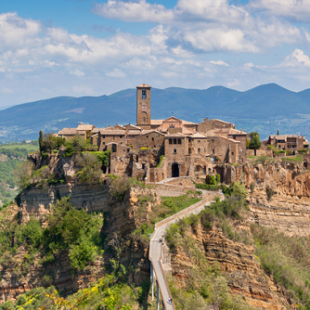
When it comes to tourism in Lazio, the first image that comes to mind is Rome, the Eternal City. And for good reason – this region boasts an incredible wealth of historical, cultural, and architectural treasures. However, Lazio has much more to offer beyond its famous capital city. In fact, this picturesque region is perfect for those looking to immerse themselves in a slow-paced eco-tourism experience.
In this article, we’ll take you on a journey to discover five hidden gems of eco-tourism in Lazio, showcasing the region’s natural beauty and unique attractions.
1. Ecotourism in Bracciano-Martignano Park
Located at the intersection of Rome and Viterbo provinces, the Bracciano-Martignano Park is a perfect example of volcanic landscape. This protected area features two lakes, surrounded by rolling hills, pastures, and agricultural fields that showcase traditional farming practices.
As you explore this park, you can hike through diverse trails, taking in the stunning views of the surrounding countryside and spotting local wildlife, including rare bird species and native mammals like the Italian hare and wild boar. The park is also home to introduced species like the fallow deer and chamois.
One of the unique features of Bracciano-Martignano Park is its volcanic soil, which creates a rich ecosystem for plant life. You can observe the diverse flora, including rare species like the Mediterranean olive tree and the Italian asparagus. The park also has several picnic areas, perfect for relaxing and taking in the breathtaking views.
2. Eco-Tourism at the Castelli Romani
The Castelli Romani, or Roman Castles, are a must-visit destination for anyone looking to experience rural Italy’s beauty. This protected area encompasses over 10,000 hectares of countryside, featuring picturesque villages perched on hillsides and lush forests.
In this region, you can indulge in a leisurely day outdoors, exploring the narrow streets of these charming towns and discovering local cuisine at family-run trattorias and restaurants. Enjoy a relaxing evening under the stars, surrounded by rolling hills and cypress trees.
The Castelli Romani are also home to several ancient ruins, including the remains of the Roman Villa Diodati and the medieval castle of Albano Laziale. These historical landmarks offer a glimpse into Lazio’s rich cultural heritage and provide a unique perspective on the region’s history and traditions.
3. Ecotourism in the Circeo National Park
Located just 100 kilometers north of Rome, the Circeo National Park is an eco-tourist’s paradise. This protected area boasts stunning landscapes, including a unique forest known as the Selva di Circe and several lakes, perfect for boating and water sports.
The park also features a range of hiking trails, from easy strolls to more challenging treks, offering breathtaking views of the surrounding countryside. Be sure to visit the island of Zannone, part of the Ponziane Islands Archipelago, which is now part of the Circeo National Park and boasts stunning rock formations.
One of the most fascinating aspects of the Circeo National Park is its unique geology. The park features a diverse range of rocks, including granite, sandstone, and limestone, which have been shaped by millions of years of erosion. This geological diversity creates a variety of habitats for plants and animals, making it an ideal location for eco-tourism.
4. Eco-Tourism in the Valle dei Casali Nature Reserve
Located within Rome’s metropolitan area, the Valle dei Casali Nature Reserve is a surprising oasis of greenery. Established in 1997, this protected area stretches from Villa Pamphili to the Tiber River and features rolling hills, forests, and traditional villas.
One highlight of this reserve is the stunning Villa York, a 17th-century mansion that showcases Baroque architecture. As you explore the valley, keep an eye out for local wildlife, including birds, insects, and mammals.
The Valle dei Casali Nature Reserve also offers several opportunities for outdoor activities, such as hiking, biking, and horseback riding. The reserve has over 30 kilometers of trails, ranging from easy strolls to more challenging treks, which offer breathtaking views of the surrounding countryside.
5. Eco-Tourism on Ventotene and Santo Stefano Islands
Located off the coast of Latina, the Ventotene and Santo Stefano Islands are a nature lover’s dream destination. These small islands boast diverse landscapes, from sandy beaches to rocky shores and secluded coves.
The islands are home to an incredible array of marine life, including mussels, sea urchins, and colorful fish species like the rainbow wrasse and the blue tang. The islands’ unique geology also makes them a haven for flora enthusiasts, with rare plants like posidonie and sea purslane thriving in the rocky crevices.
One of the best ways to experience the Ventotene and Santo Stefano Islands is by snorkeling or scuba diving. The clear waters offer an unparalleled opportunity to explore the underwater world, discovering hidden caves, coral reefs, and a variety of marine life.
Conclusion
Lazio is more than just Rome – it’s a region teeming with natural beauty, rich history, and unique cultural attractions. By exploring these five hidden gems of eco-tourism, you’ll experience the best of Italy’s countryside, from volcanic landscapes to rugged coastlines and picturesque villages.
So why not discover Lazio’s secrets for yourself? From hiking through rolling hills to snorkeling in crystal-clear waters, there’s something for every type of traveler in this incredible region.
Frequently Asked Questions
Q: Where is the Bracciano-Martignano Park located?
A: The park is situated at the intersection of Rome and Viterbo provinces.
Q: What types of wildlife can be found in the Circeo National Park?
A: The park is home to a diverse range of mammals, including the Italian hare and wild boar, as well as rare bird species like the white-headed duck and the black grouse.
Q: Can I practice water sports on the lakes within the Valle dei Casali Nature Reserve?
A: Yes, the reserve’s lakes offer opportunities for boat rentals and kayaking.
Q: What is the best time to visit Ventotene and Santo Stefano Islands?
A: The islands are accessible year-round, but the best time to visit is during the spring and autumn when the weather is mild and sunny.
Q: Can I hike in the Castelli Romani?
A: Yes, there are many hiking trails throughout the region, ranging from easy strolls to more challenging treks.
Q: Are the islands of Ventotene and Santo Stefano protected areas?
A: Yes, the islands have been designated as a Riserva Naturale Statale (State Nature Reserve) and an Area Marina Protetta (Marine Protected Area).
Additional Tips for Eco-Tourism in Lazio
- Always respect local regulations and guidelines when engaging in eco-tourism activities.
- Bring sunscreen, hats, and comfortable shoes to protect yourself from the sun and terrain.
- Be mindful of your impact on the environment and wildlife, and try to minimize your footprint.
- Consider purchasing a guided tour or working with a local guide to ensure that you’re experiencing the best of Lazio’s eco-tourism opportunities.
- Don’t forget to bring binoculars and a camera to capture the stunning views and unique landscapes.
By following these tips and exploring Lazio’s hidden gems, you’ll be able to experience the region’s natural beauty, rich history, and unique cultural attractions in a responsible and sustainable way.


