
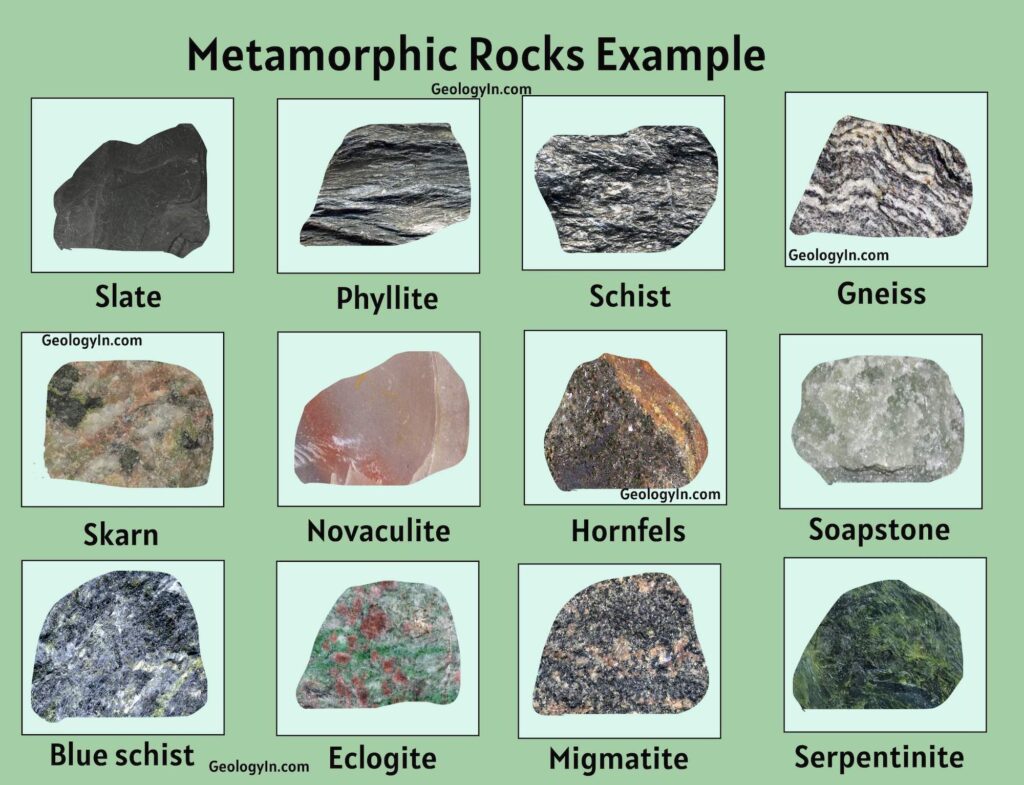
Understanding Metamorphic Rocks
As we explore the vast expanse of our planet’s crust, one type of rock stands out for its unique characteristics and forms: metamorphic rocks. These rocks have undergone a series of processes that transform them into new minerals and textures, making them distinct from their igneous or sedimentary counterparts.
What are Metamorphic Rocks?
Metamorphic rocks are formed through the process of metamorphism, which involves high temperatures and pressures that alter the mineral composition and structure of existing rocks. This can occur when rocks are exposed to these conditions, causing a transformation that results in new minerals and textures. The type of rock that undergoes metamorphism can come from any origin: igneous, sedimentary, or even other metamorphic rocks.
Types of Metamorphic Rocks
Within the category of metamorphic rocks, we find several examples that showcase their unique properties. Marble, for instance, is a metamorphic rock derived from limestone, while gneiss is another type that originates from igneous and sedimentary rocks. Other notable examples include ardésia and slate, which are both known for their resistance to weathering and ease of division into thin plates.
Classification of Metamorphic Rocks
To classify these rocks, geologists can be based on the process that gave them origin. There are four main types of metamorphism: contact metamorphism, regional metamorphism, burial metamorphism, and dynamo-metamorphism. Each type has distinct characteristics that help identify the rock’s history.
Metamorphic Rocks: Regional Classification
Regional metamorphism involves large-scale changes in temperature and pressure over extensive areas, often resulting from orogeny (mountain-building processes). This process can occur over vast distances, causing widespread changes to the rocks involved.
Metamorphic Rocks: Types of Transformation
Understanding the type of transformation that has occurred is crucial for identifying metamorphic rocks. When metamorphism occurs due to contact with magma or other hot rocks, it can result in rocks formed from igneous or sedimentary materials entering contact with these hot bodies.
Identifying Metamorphic Rocks
To identify these rocks, geologists examine the conditions under which they were formed: temperature and pressure levels that led to the formation of new minerals. In laboratory settings, these conditions are recreated using specialized equipment to reveal the characteristics of the metamorphic rock.
Metamorphic Rock Classification Map
A conceptual map can help illustrate the diversity of metamorphic rocks, providing a visual representation of their origins and transformations. This map, created by Nancy Honovich, is designed for children aged 8 and above and offers an engaging way to explore the world of rocks and minerals.
Consequences of Metamorphism
Metamorphism has significant effects on the Earth’s surface and crust. The transformation process can lead to changes in rock composition, creating new mineral phases and textures that alter the rock’s physical properties. For instance, metamorphic rocks are often denser than their original counterparts due to the increased density caused by mineral substitution.
Economic Importance of Metamorphic Rocks
Metamorphic rocks have significant economic value due to their unique properties and uses. Marble, for example, is used extensively in construction, while gneiss is prized for its distinctive banded patterns. Ardésia, a metamorphic rock from the Alps, has been used as a source of quartz.
Metamorphism and Geological History
Understanding metamorphism provides valuable insights into the Earth’s geological history. The transformation process allows geologists to reconstruct ancient environments and conditions that existed millions of years ago. This knowledge can help us better comprehend the complex processes that have shaped our planet over time.
Environmental Impact of Metamorphic Rocks
Metamorphic rocks, like any other rock type, play a crucial role in shaping the Earth’s surface and affecting local ecosystems. The transformation process can lead to changes in soil formation, plant growth patterns, and even the distribution of minerals in the environment.
Frequently Asked Questions
- What causes metamorphism?
Metamorphism occurs when rocks are exposed to high temperatures and pressures, causing changes in mineral composition and structure. - How do metamorphic rocks form?
Metamorphic rocks form through a series of processes involving temperature and pressure increases, resulting in the formation of new minerals and textures. - What is contact metamorphism?
Contact metamorphism occurs when hot magma or other rocks come into contact with existing rocks, causing changes to their mineral composition and structure. - What are some examples of metamorphic rocks?
Examples include marble, gneiss, ardésia, and slate. - How can I identify metamorphic rocks?
To identify metamorphic rocks, geologists examine the conditions under which they were formed: temperature and pressure levels that led to the formation of new minerals. - Can metamorphic rocks be created artificially?
No, metamorphic rocks are naturally occurring and cannot be replicated artificially. - What is regional metamorphism?
Regional metamorphism involves large-scale changes in temperature and pressure over extensive areas, often resulting from orogeny (mountain-building processes). - How do dynamo-metamorphic rocks form?
Dynamo-metamorphic rocks are formed through the process of plate tectonics, where movement along fault lines creates pressure that alters the mineral composition and structure of existing rocks.
Conclusion
Metamorphic rocks are fascinating examples of geological transformation, shaped by intense heat and pressure over millions of years. By understanding the processes that create these rocks and their unique properties, we can gain a deeper appreciation for the Earth’s dynamic history and the secrets hidden within its crust.
Advanced Topics
For those interested in delving deeper into the subject, there are several advanced topics to explore:
- Metamorphic Rocks: A Geochemical Perspective: This topic delves into the geochemical changes that occur during metamorphism, providing insights into the transformation processes that lead to new minerals and textures.
- Metamorphic Rocks and Environmental Processes: This topic examines the interactions between metamorphic rocks and environmental processes, such as weathering, erosion, and sedimentation.
Case Studies
Several case studies demonstrate the impact of metamorphism on various rock types. For example:
- The Metamorphic Terrains of the Alps: The Alps are home to some of the most extensive and well-documented metamorphic terrains in the world. This region has undergone a series of complex tectonic events, resulting in widespread changes to the rocks involved.
- Metamorphism in Sedimentary Basins: Sedimentary basins around the world have been affected by metamorphic processes, leading to the formation of unique rock types and altered mineral compositions.
Future Research Directions
As our understanding of metamorphic rocks continues to evolve, new research directions emerge. Some areas for future study include:
- Metamorphism in Extreme Environments: Researchers aim to explore the effects of extreme environments on metamorphic processes, providing insights into the transformation of rocks under conditions of high pressure and temperature.
- Metamorphic Rocks and Geological Hazards: This topic seeks to understand how metamorphic rocks contribute to geological hazards such as earthquakes, landslides, and volcanic eruptions.
By expanding our knowledge of metamorphic rocks and their transformations, we can gain a deeper appreciation for the complex processes that have shaped our planet over millions of years.


