
Introduction
In the world of insects, few creatures have captured the imagination as much as the praying mantis. With its striking appearance, unusual behavior, and impressive hunting abilities, it’s no wonder why many people are fascinated by these fascinating insects. But did you know that there’s more to the praying mantis than just its looks? In this article, we’ll delve into the life cycle of the praying mantis, explore how to attract them to your garden, and discuss their importance as a bioindicator of a healthy environment.
Praying Mantis 101: The Basics
- Species: There are over 2,500 species of praying mantis, with 12 of them found in Italy. The most common one is the Mantis religiosa.
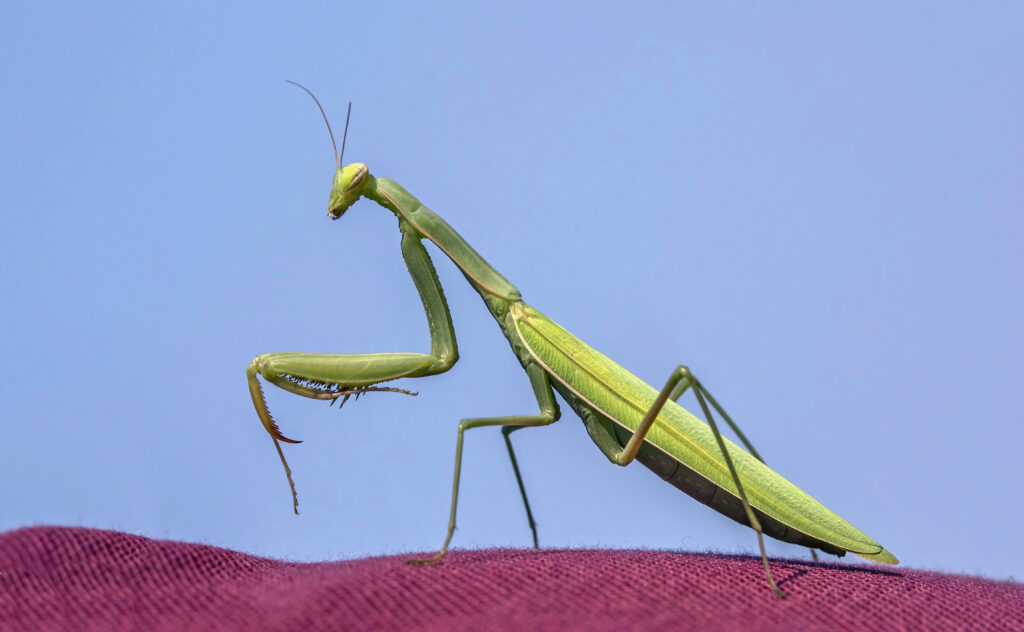
- Appearance: Praying mantises can change color to blend in with their surroundings, and they have a distinctive greenish-brown body shape.
- Size: Adult praying mantises typically grow between 6-7 cm long.
Reproduction: The Art of Courtship
Praying mantises go through an interesting reproductive process. When it comes to mating, males often risk their lives by offering themselves as a food source for the females. This unique behavior is known as cannibalism and is thought to provide the female with essential nutrients.
Mating Rituals: A Risky Affair
During courtship, males will approach females and perform a complex dance to win them over. However, if the male fails to impress or is deemed unworthy, he may become the female’s next meal!
The Cycle of Life: From Egg to Adult
Praying mantises typically spend their winter months in a dormant state, conserving energy until spring arrives. During this time, females will lay eggs in protected areas, such as under leaf litter or in abandoned burrows.
Bioindicators: The Praying Mantis’s Role in Monitoring Environmental Health
Recent studies have shown that praying mantises can serve as indicators of a healthy ecosystem. By analyzing the insects’ presence and behavior, researchers can gain insights into the overall state of their environment.
The praying mantis’s diet consists mainly of small insects like aphids and mosquitoes. However, they are also known to consume larger prey items like grasshoppers and even other praying mantises!
Attracting Praying Mantises to Your Garden
To encourage these elusive insects to visit your garden, consider the following tips:
- Leave some areas of your garden untamed: Praying mantises thrive in environments with a mix of vegetation and open spaces.
- Avoid using pesticides: These chemicals can harm or kill praying mantises, making it difficult for them to survive.
Understanding Praying Mantis Behavior
Praying mantises are known for their unique hunting style. They use stealth and patience to catch their prey, often remaining still for hours before striking.
The Art of Stealth: Praying Mantis Hunting Strategies
Praying mantises have evolved several strategies to ensure a successful hunt:
- Camouflage: They can change color to blend in with their surroundings, making it difficult for their prey to detect them.
- Patience: Praying mantises often remain still for long periods, waiting for the perfect moment to strike.
Praying Mantis Communication
While praying mantises do not use a complex language like humans, they communicate through various means:
- Body Language: They can convey information about their intentions and emotions using subtle changes in posture and movement.
- Chemical Signals: Praying mantises release pheromones to attract mates or signal danger to other members of the same species.
Praying Mantis Conservation
As we discussed earlier, praying mantises play a crucial role in monitoring environmental health. However, their populations are declining due to various factors such as habitat destruction and pesticide use.
What Can We Do to Help Praying Mantises?
There are several ways to contribute to the conservation of these incredible insects:
- Create Praying Mantis-Friendly Habitats: By planting a diverse range of vegetation and leaving some areas of your garden untamed, you can create a welcoming environment for praying mantises.
- Avoid Pesticides: Refrain from using pesticides in your garden, as they can harm or kill these delicate creatures.
- Support Praying Mantis Conservation Efforts: Donate to organizations that work tirelessly to protect and preserve the habitats of these amazing insects.
Conclusion
Praying mantises are truly fascinating creatures that offer valuable insights into the natural world. By understanding their life cycle, reproductive habits, and importance as bioindicators, we can better appreciate these incredible insects and work towards creating a more sustainable environment.
Here are some frequently asked questions about praying mantises:
- What do praying mantises eat?
- How do praying mantises reproduce?
- Why are praying mantises considered bioindicators?
- Can I keep praying mantises as pets?
- How can I attract praying mantises to my garden?
By answering these questions and understanding the fascinating world of praying mantises, we can inspire a new appreciation for these incredible insects and work towards creating a better future for them and our planet.
Additional Resources:
For further information on praying mantises, check out the following resources:
- National Geographic: Praying Mantis (n.d.). Retrieved from https://www.nationalgeographic.org/animals/invertebrates/m/p/
- Insect Identification: Praying Mantis (2019). Retrieved from https://www.insectidentification.net/praying-mantis/
- Praying Mantis: A Guide to Attracting and Understanding this Elusive Insect (n.d.). Retrieved from https://www.gardeningknowhow.com/p/praying-mantis/


