
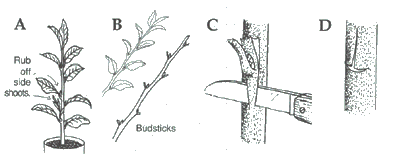
As a citrus enthusiast, you’re likely aware of the various methods for propagating lemon trees. Among these techniques, inversion stands out as an effective way to produce a robust and healthy plant. However, with so many options available, it can be overwhelming to choose the right approach. In this article, we’ll delve into the world of lemon propagation, exploring the intricacies of inversion and providing you with the knowledge necessary to succeed.
When is the Best Time for Lemon Propagation by Inversion?
The optimal time for propagating lemons via inversion is during the spring season. This period offers ideal conditions for the process, allowing your new plant to establish itself quickly and thrive. The spring season typically begins in late March or early April, depending on your location.
Choosing the Right Technique: A Guide to Lemon Inversion Methods
There are several methods to propagate lemons using the inversion technique. The most effective approach depends on the size of the portainnesto (the rootstock) you’re working with. Here are three common techniques:
- Inversion at Incrost: This method involves inserting the marza (scion) into a suitable hole in the rootstock, ensuring a snug fit. It’s an effective approach for lemons with smaller portainnestos.
- Inversion at Gemma (Scudetto): This technique is ideal for lemons with larger portainnestos. The marza is inserted into the scion, which then grows around it, forming a robust and healthy plant.
- Inversion at Corona: For more mature lemons or those with particularly large portainnestos, inversion at corona is recommended. This method involves inserting the marza between the corteccia (bark) and the wood of the rootstock.
Selecting the Right Portainnesto
The type of portainnesto you choose can significantly impact the success of your lemon propagation endeavor. Ensure that the portainnesto is healthy, disease-free, and not too old, as this can affect the overall health of your new plant. Some popular options for rootstocks include:
- Dwarf Washington Navel: A compact and productive variety suitable for small spaces.
- Meyer Lemon: A cross between a lemon and an orange, known for its sweeter flavor and smaller size.
- Bearss Lemon: A popular choice among citrus enthusiasts, offering excellent disease resistance and flavor.
Tools for Lemon Propagation: Forbices and Inestressers
A good quality forbice or inestresser is essential for successful lemon propagation. Consider investing in a professional-grade tool that offers versatility and precision. Some recommended options include:
- Tink-sky Professional Forbice: A high-quality, affordable option that suits most needs.
- Forbice Innestatrice Professionale: Another popular choice among citrus enthusiasts, offering excellent value for the price.
Tips and Tricks for Lemon Propagation
To ensure a successful outcome, keep these tips in mind:
- Choose a healthy rootstock with a suitable portainnesto size.
- Handle the marza gently to prevent damage or breakage.
- Make sure the cut is clean and free of debris.
- Use a sharp, well-sharpened tool for the best results.
Common Mistakes to Avoid
To minimize the risk of failure, avoid the following common mistakes:
- Incorrect cutting: Make sure the marza is cut at the correct angle and depth to ensure proper healing.
- Insufficient rooting hormone: Apply a suitable amount of rooting hormone to promote healthy root growth.
- Inadequate humidity: Maintain high humidity levels around the new plant to encourage optimal growth.
Conclusion
Lemon propagation by inversion can be a rewarding experience, but it requires careful planning and attention to detail. By selecting the right technique, choosing a healthy portainnesto, and using high-quality tools, you’ll be well on your way to successfully propagating lemons.
Frequently Asked Questions
- What is the best time for lemon propagation by inversion?
Spring season is generally considered the optimal time for propagating lemons via inversion. - How long does it take for a new lemon tree to grow?
With proper care, a new lemon tree can grow and mature within 3-5 years. - What is the most effective method for lemon propagation by inversion?
The effectiveness of a method depends on various factors, including the size of the portainnesto and the desired outcome. - How often should I water my new lemon tree?
Water your new lemon tree regularly during its first year, but avoid overwatering to prevent root rot. - Can I propagate lemons in cold weather?
Propagating lemons is best done when the temperatures are above 40°F (4°C), as extreme cold can damage or kill the plant.
By following these guidelines and tips, you’ll be able to successfully propagate your own lemons using the inversion technique. With patience, dedication, and practice, you’ll be enjoying homegrown lemons in no time!


