
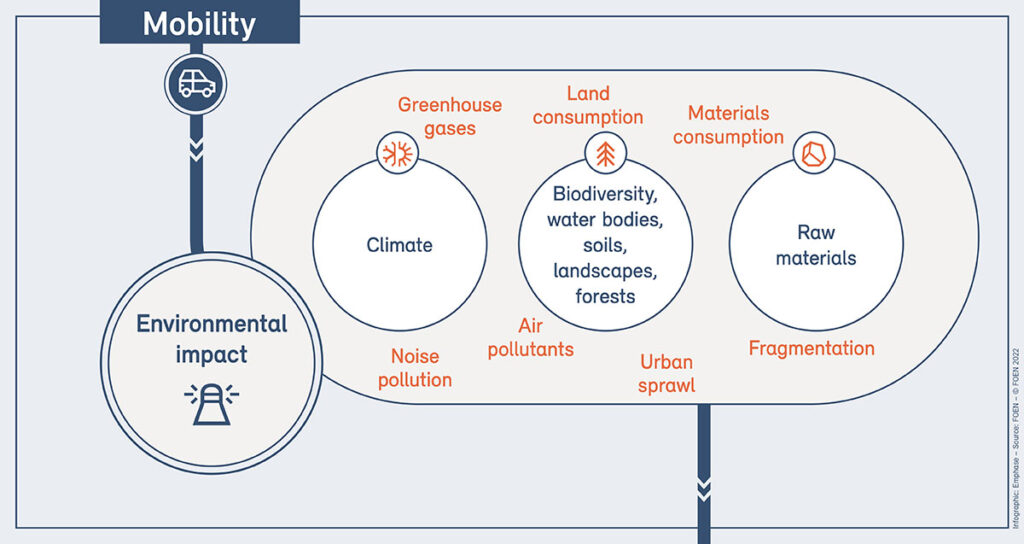
As we go about our daily lives, it’s easy to overlook the impact that our transportation choices have on the world around us. However, in Europe, the transportation sector is responsible for a significant presence of harmful air pollutants and greenhouse gas emissions, posing a major threat to both human health and the environment.
To turn things around, it’s more crucial than ever to promote and support sustainable mobility practices. The transportation sector accounts for approximately 25% of total energy consumption in Europe, with over 500 million cars on the road across the continent (European Environment Agency, 2020). This has significant implications for both our health and the environment.
The Environmental Impact of Transportation
A recent study by the European Environment Agency (EEA) highlights the environmental impact of transportation, which is still far from being fully mitigated. Although there has been a slight improvement in air quality, this is largely due to economic downturns during recessions, rather than any actual reduction in sustainable mobility practices.
The data on the environmental damage caused by the transportation sector is stark:
- Air pollution: In 2010, 44% of the air quality monitoring stations along roads in Europe recorded levels of nitrogen dioxide (NO2) that exceeded legal limits. Particulate matter (PM10) also exceeded limits at 33% of these sites.
- These pollutants can have devastating effects on cardiovascular health, lung function, liver and kidney function, and even blood sugar regulation.
- Greenhouse gas emissions: The transportation sector is one of the largest contributors to greenhouse gas emissions in Europe, accounting for approximately 12% of total emissions (European Environment Agency, 2020).
- These emissions contribute to climate change, with far-reaching consequences for ecosystems, biodiversity, and human societies.
The Need for Sustainable Mobility
Despite the introduction of European Union regulations for vehicles, such as EURO standards, we are still far from achieving our environmental goals. One major issue is that emissions of nitrogen oxides, primarily generated by truck traffic, have not been significantly reduced.
The transportation sector plays a vital role in the economy and is a significant challenge to mitigate its negative impacts on both air quality and acoustics. In this context, research and innovation in electric mobility could be crucial.
Electric Mobility: The Future of Sustainable Transportation
The automotive industry is increasingly shifting towards electric vehicles (EVs), abandoning traditional internal combustion engines for cleaner alternatives. As the market for EVs grows, it’s essential that governments invest in infrastructure to support widespread adoption.
This includes creating charging stations and promoting the development of sustainable energy sources. This shift could transform the livability of many urban centers!
Some key statistics on electric vehicles highlight their growing importance:
- In 2020, over 1 million new EVs were registered across Europe, a significant increase from just 300,000 in 2016 (European Automobile Manufacturers Association, 2021).
- The number of EV owners is expected to double by 2025, with over 10 million EVs on the road in Europe by 2030 (International Council on Clean Transportation, 2022).
Benefits of Electric Vehicles
Electric vehicles offer numerous benefits, including:
- Reduced greenhouse gas emissions: EVs produce zero tailpipe emissions, significantly reducing greenhouse gas emissions and contributing to a cleaner environment.
- Improved air quality: By reducing emissions of nitrogen oxides and particulate matter, EVs can improve air quality in urban centers, benefiting both human health and the environment.
- Lower operating costs: EVs are generally cheaper to run, with lower fuel costs (electricity is often significantly cheaper than gasoline) and reduced maintenance requirements.
Challenges Facing Electric Vehicles
While electric vehicles offer numerous benefits, there are also challenges that must be addressed:
- Infrastructure development: Creating charging stations across Europe will require significant investment and planning.
- Energy source: The energy used to charge EVs can come from a variety of sources, including renewable energy. However, if the energy source is fossil-based, then emissions reduction benefits may be compromised.
- Battery production: The production of batteries for EVs requires significant amounts of energy and materials, contributing to environmental impacts.
Conclusion
As we move forward, it’s clear that reducing our reliance on fossil fuels and increasing sustainable mobility practices is crucial for a healthier environment and better quality of life. To achieve this goal, governments, industry leaders, and individuals must work together to create a more environmentally friendly transportation system.
Frequently Asked Questions (FAQs)
- What are the main contributors to air pollution in Europe?
The transportation sector, primarily truck traffic, is a significant source of nitrogen oxides (NOx) emissions, contributing to poor air quality. - How much have emission levels improved since the introduction of EURO standards?
While there has been some improvement, we still have a long way to go to achieve our environmental goals. - What role do electric vehicles play in reducing greenhouse gas emissions?
Electric vehicles (EVs) can significantly reduce emissions by using electricity instead of fossil fuels for propulsion. - Why is infrastructure development so crucial for widespread adoption of EVs?
Creating charging stations and promoting sustainable energy sources are essential to support the growth of EVs. - What impact will sustainable transportation have on urban livability?
Transforming urban centers with electric vehicles could greatly improve quality of life and air quality. - Are there any other factors contributing to environmental degradation in Europe?
While transportation is a significant contributor, other factors like industrial activities and waste management also play a role. - How can individuals contribute to sustainable mobility practices?
Simple actions such as carpooling, using public transport, cycling, or walking can significantly reduce our carbon footprint. - What are the long-term benefits of transitioning to electric vehicles?
Electric vehicles offer numerous benefits, including reduced greenhouse gas emissions and improved air quality.
By working together and making sustainable choices, we can create a healthier environment for future generations.


