
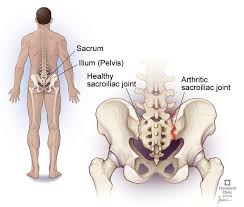
What is Sacro-Iliac Joint Pain?
Sacro-iliac joint pain, commonly referred to as sacroiliac joint pain or SI joint pain, is a type of pain experienced in the area of the joints that connect the sacrum (a triangular bone at the base of the spine) and the ilium bones (the largest bones in the pelvis). This complex joint is responsible for maintaining balance and stability in the body.
Anatomy of the Sacro-Iliac Joint
The sacro-iliac joint is made up of five vertebrae that fuse together, forming a solid bone. The ilium bones are connected to the sacrum through strong ligaments, allowing for limited movement (less than 4 degrees) and minimal translation (only 2 millimeters). Despite this stability, the joints can still be prone to problems.
Causes of Sacro-Iliac Joint Pain
The causes of SI joint pain are multifaceted. Some common factors include:
- Arthritis: Degenerative arthritis (osteoarthritis) is the most common cause of SI joint pain, as cartilage damage leads to bone-on-bone contact and inflammation.
- Gravida: Pregnancy can lead to relaxation of ligaments, causing increased movement in the joint and subsequent strain on the muscles and connective tissues.
- Biomechanical Issues: Abnormalities such as leg length discrepancies or lower extremity pain (e.g., hip, knee, ankle, or foot pain) can put additional stress on the SI joint.
Symptoms of Sacro-Iliac Joint Pain
The symptoms of SI joint pain are diverse and can vary in severity. Some common signs include:
- Gonfiore: Swelling or inflammation in the joint area
- Calore: Heat sensation in the affected area
- Dificoltà di camminare regolarmente: Difficulty walking regularly due to pain
- Blocco dell’articolazione: Feeling of “locking” or stiffness in the joint
- Riduzione del raggio d’azione: Reduced range of motion in the affected joint
- Rigidità: Stiffness in the joint area
- Debolezza: Weakness in the muscles surrounding the joint
Diagnosing Sacro-Iliac Joint Pain
To diagnose SI joint pain, a healthcare professional will typically conduct an:
- Thorough medical history
- Physical examination, including testing for tenderness and instability
- Radiographic imaging, such as X-rays or CT scans, to visualize the joint structure
- Injections to assess pain response and guide treatment
Treatment Options for Sacro-Iliac Joint Pain
The treatment of SI joint pain depends on the underlying cause and severity of symptoms. Some common treatment options include:
- Physical Therapy: Stretching exercises, stabilization techniques, and manual therapy can help alleviate pain and improve joint mobility.
- Pain Management Medications: Nonsteroidal anti-inflammatory drugs (NSAIDs) or corticosteroids may be prescribed to reduce inflammation and manage pain.
- Surgery: In severe cases, fusion surgery may be considered to stabilize the joint and eliminate pain.
Natural Remedies for Sacro-Iliac Joint Pain
In addition to medical treatment, several natural remedies can help alleviate SI joint pain. These include:
- Heat or Cold Therapy: Applying heat or cold packs to the affected area can help reduce pain and inflammation.
- Exercise: Gentle exercises such as yoga, Pilates, or stretching can improve flexibility and strengthen surrounding muscles.
- Massage Therapy: Massage techniques can help relax tense muscles and improve joint mobility.
- Acupuncture: This traditional Chinese medicine technique involves inserting thin needles into specific points on the body to stimulate healing and pain relief.
Alternative Therapies for Sacro-Iliac Joint Pain
Some alternative therapies may also be helpful in managing SI joint pain. These include:
- Chiropractic Care: Spinal manipulation and adjustments can help improve joint mobility and reduce pain.
- Massage Therapy: Massage techniques can help relax tense muscles and improve joint mobility.
- Aromatherapy: Certain essential oils such as lavender or peppermint may help reduce inflammation and promote relaxation.
Conclusion
Sacro-iliac joint pain is a complex condition that requires a comprehensive approach to management. By understanding the causes, symptoms, and treatment options, individuals can work with their healthcare provider to develop an effective plan for alleviating pain and improving joint mobility. Additionally, incorporating natural remedies and alternative therapies into one’s treatment regimen may provide additional benefits in managing SI joint pain.
References
- “Sacroiliac Joint Pain.” MedlinePlus, U.S. National Library of Medicine, 2022.
- “Sacroiliac Joint Pain.” American Academy of Orthopaedic Surgeons, 2022.
- “Sacroiliac Joint Pain.” Mayo Clinic, 2022.
Note: This article is for informational purposes only and should not be considered as a substitute for professional medical advice. If you are experiencing sacro-iliac joint pain, consult with a healthcare professional for proper evaluation and treatment.


