
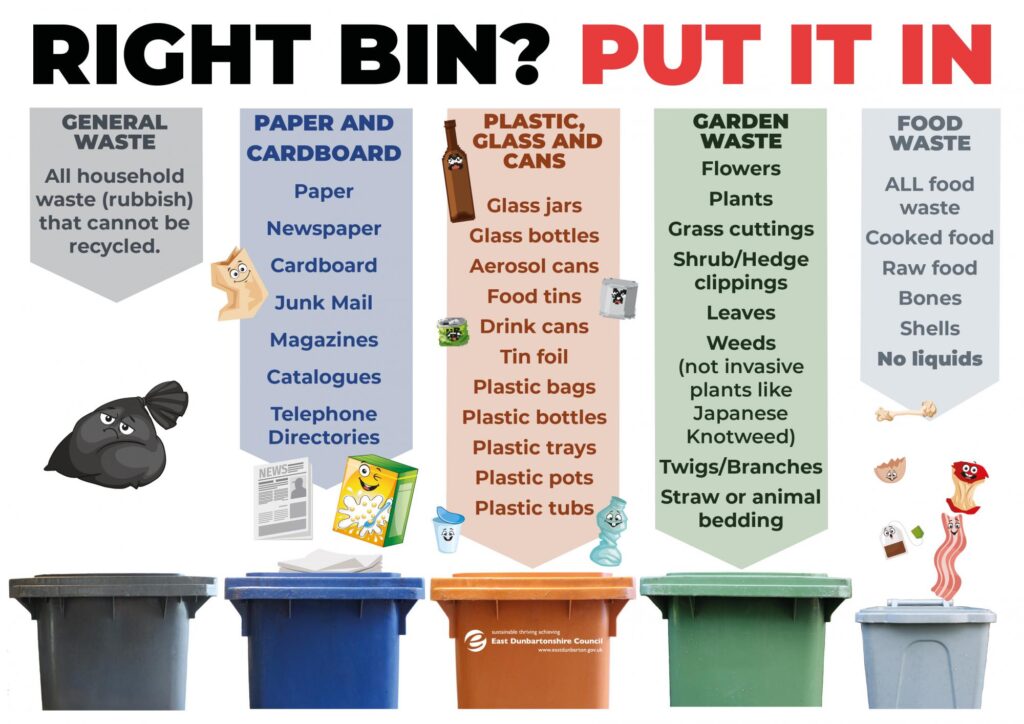
Are you looking for ways to combat waste and protect the environment? One simple yet effective way is to recycle household waste. However, with so many options available, it’s essential to understand the basics of recycling and provide tips on how to get started. In this article, we’ll explore the fundamentals of recycling, discuss various types of recyclable materials, and offer practical advice on reducing waste in your home.
Understanding Recycling
Recycling is the process of converting waste materials into new products. This not only reduces our reliance on natural resources but also conserves energy and minimizes waste sent to landfills. To begin, it’s essential to comprehend what can be recycled and what cannot.
Types of Recyclable Materials
Many common household items are recyclable, including:
- Paper and Cardboard: Newspaper, cardboard boxes, paper towel rolls, and cartons.
- Plastic Bottles and Containers: Water bottles, soda cans, milk jugs, and containers marked with the Resin Identification Code (RIC).
- Glass Jars and Bottles: Glass containers for food, beverages, or cosmetics.
- Metal Cans and Foil: Aluminum cans, steel cans, tin foil, and aluminum trays.
- Electronics and Batteries: Computers, phones, televisions, printers, and batteries (including alkaline, nickel-cadmium, and lithium-ion).
- Medicines and Pharmaceuticals: Unused or expired medications, as well as pharmaceutical packaging materials.
Turning Food Waste into Fertilizer
One of the most significant benefits of recycling is turning food waste into fertilizer. Composting is a simple process that involves collecting organic materials like fruit and vegetable scraps, tea bags, and coffee grounds in a designated container. This mixture can then be turned into nutrient-rich compost that’s perfect for gardening.
Benefits of Composting
Composting offers numerous benefits, including:
- Reduces waste sent to landfills by up to 30%
- Creates a natural fertilizer for your garden
- Reduces greenhouse gas emissions
What Can’t Be Recycled?
Not all household items can be recycled. Some examples of materials that should not be recycled include:
- Oils and Chemicals: Motor oil, paint, and other hazardous substances.
- Electronics with Lithium Batteries or Hazardous Materials: Devices containing lithium batteries or hazardous materials, such as lead-acid batteries.
- Plastic Wrap and Packaging Materials: Plastic wrap, packaging materials, and items with plastic coatings.
- Paper Products with Plastic or Foil Coatings: Paper products coated with plastic or foil, such as cereal boxes.
Reducing Waste in the Home
In addition to recycling, there are several other ways to reduce waste in your home. These include:
- Avoiding Single-Use Plastics: Refuse single-use plastics like straws, bags, and water bottles.
- Buying Products in Bulk: Purchase products in bulk to reduce packaging waste.
- Repairing or Repurposing Broken Items: Repair or repurpose broken items instead of throwing them away.
Making a Difference
By implementing these simple changes, you can make a significant impact on reducing household waste. Remember, every small action counts, and collective efforts can lead to substantial positive change.
Conclusion
Reducing household waste is a simple yet effective way to combat pollution and protect the environment. By understanding what can be recycled, sorting waste correctly, and implementing eco-friendly practices at home, you can contribute to a more sustainable future.
Frequently Asked Questions
- What can I do with food waste?
- You can compost it! Composting is a simple process that turns food scraps into nutrient-rich fertilizer for your garden.
- Can I recycle all household items?
- No, some materials like oils, electronics with lithium batteries, and plastic wrap should not be recycled.
- How much waste can be reduced through recycling?
- Up to 30% of household waste can be reduced through composting alone.
- What are the benefits of composting?
- Composting reduces greenhouse gas emissions, creates natural fertilizer for your garden, and conserves energy.
- Can I recycle electronics?
- Yes, many electronic devices like computers, phones, and televisions can be recycled at designated facilities.
- How do I get started with recycling?
- Start by sorting household waste correctly, separating organic and non-organic materials, and exploring local recycling options.
- What happens to recyclable materials after they’re collected?
- Recyclable materials are processed into raw materials that can be used to manufacture new products.
- Can I recycle plastics?
- Yes, many types of plastic, including water bottles and food containers, can be recycled at designated facilities.
By implementing these simple practices and staying informed about recycling options, you can make a significant impact on reducing household waste and protecting the environment.


