
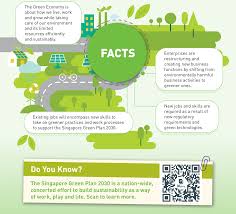
The Green Economy: A New Frontier for Environmental Passionates
As someone who has a passion for the environment, you can monetize your affinity by working in the green economy. But what are the most in-demand jobs in the field of environmental sustainability? In a time of economic crisis and full recession, there is still high demand for professionals related to material reuse, waste reduction, and energy efficiency.
According to one of the latest reports from the International Labour Organization on the green economy sector, the transition from the oil era to a green economy could generate between 15 million to 60 million new jobs over the next two decades. One of the most promising sectors in the green economy is energy efficiency, which spans from green building to renewable energies.
In this context, the required professionals are those working in green architecture, designers, installers, and sellers of solar panel systems, engineers, supervisors of wind turbines, and researchers in biofuels and sustainable mobility.
What Are the Most In-Demand Jobs in the Green Economy?
While we’ve mentioned some of the professional figures in the green economy, what are their roles and responsibilities? Let’s start with the architects responsible for sustainable design: they need to combine energy efficiency with aesthetics. This means a designer can specialize in solar panel systems, offering an integrated approach that is non-invasive.
Other promising opportunities include management of energy programming, which involves cutting all waste related to materials, electricity, or water.
Classic Figures in the Green Economy
Among the classic professional figures are those working in forest conservation and forestry industry: until the 1960s-1970s, working in this field meant becoming part of the State Forest Corps, being hired by the wood industry, or working in hydric forest systems. Today, working in this sector means finding a job in the certification of efficient use of tree masses, forest management certifications, and biodiversity conservation.
Career Opportunities in Green Architecture
As we mentioned earlier, architects responsible for sustainable design need to combine energy efficiency with aesthetics. Designers can specialize in solar panel systems, offering an integrated approach that is non-invasive.
Energy Efficiency: A Promising Sector
One of the most promising sectors in the green economy is energy efficiency, which spans from green building to renewable energies. This sector offers a wide range of job opportunities, including:
- Renewable Energy Engineer: designs and develops systems for harnessing renewable energy sources such as solar, wind, and geothermal power.
- Sustainability Consultant: helps organizations reduce their environmental impact by identifying areas for improvement and developing strategies for sustainability.
- Green Building Specialist: designs and builds buildings that meet high standards of environmental sustainability, including energy efficiency, water conservation, and waste reduction.
The Importance of Green Economy Jobs
As the world transitions to a more sustainable economy, green economy jobs are becoming increasingly important. These jobs not only help reduce our carbon footprint but also provide new career opportunities for individuals who are passionate about the environment.
In conclusion, working in the green economy is a great way to combine your passion for the environment with your career goals. Whether you’re interested in energy efficiency, sustainable architecture, or renewable energy engineering, there are many job opportunities available in this field.
Frequently Asked Questions
- What are some of the most in-demand jobs in the green economy?
- Energy efficiency professionals, including engineers, consultants, and builders
- Renewable energy specialists, including solar panel installers and wind turbine supervisors
- Architects responsible for sustainable design
- How can I get started in a career in the green economy?
- Research local job opportunities and organizations working on sustainability projects
- Consider pursuing higher education or training programs related to sustainability
- Network with professionals in your desired field
- What skills are needed to work in the green economy?
- Strong knowledge of environmental sustainability principles
- Ability to analyze data and develop strategies for improvement
- Communication and project management skills
- Are there any certifications or licenses required to work in the green economy?
- Yes, many industries require specialized certifications or licenses
- Examples include LEED certification for architects and sustainability consultants
- How can I stay up-to-date on the latest developments in the green economy?
- Attend conferences and workshops related to sustainability
- Join professional organizations and networking groups
- Follow industry leaders and news sources
The Impact of the Green Economy
The transition to a green economy is expected to have significant impacts on various aspects of society. Some of these impacts include:
- Job creation: The green economy sector is expected to create millions of new jobs over the next two decades, which could help reduce unemployment rates and improve economic growth.
- Environmental benefits: A transition to a green economy would likely lead to significant reductions in greenhouse gas emissions, air pollution, and other environmental problems associated with unsustainable practices.
- Economic benefits: The green economy sector is expected to generate significant revenue streams for businesses, governments, and individuals, which could help stimulate economic growth and development.
Challenges and Limitations
While the transition to a green economy holds many promises, it also poses several challenges and limitations. Some of these challenges include:
- High upfront costs: Implementing green technologies and practices can be expensive, particularly for small businesses or individuals.
- Limited infrastructure: In some areas, there may not be sufficient infrastructure in place to support the implementation of green technologies and practices.
- Regulatory frameworks: There may be regulatory barriers that hinder the development and deployment of green technologies and practices.
Conclusion
In conclusion, working in the green economy is a great way to combine your passion for the environment with your career goals. With its potential to create millions of new jobs, reduce greenhouse gas emissions, and stimulate economic growth, the green economy sector is an exciting and rapidly evolving field that offers many opportunities for individuals who are passionate about sustainability.


