
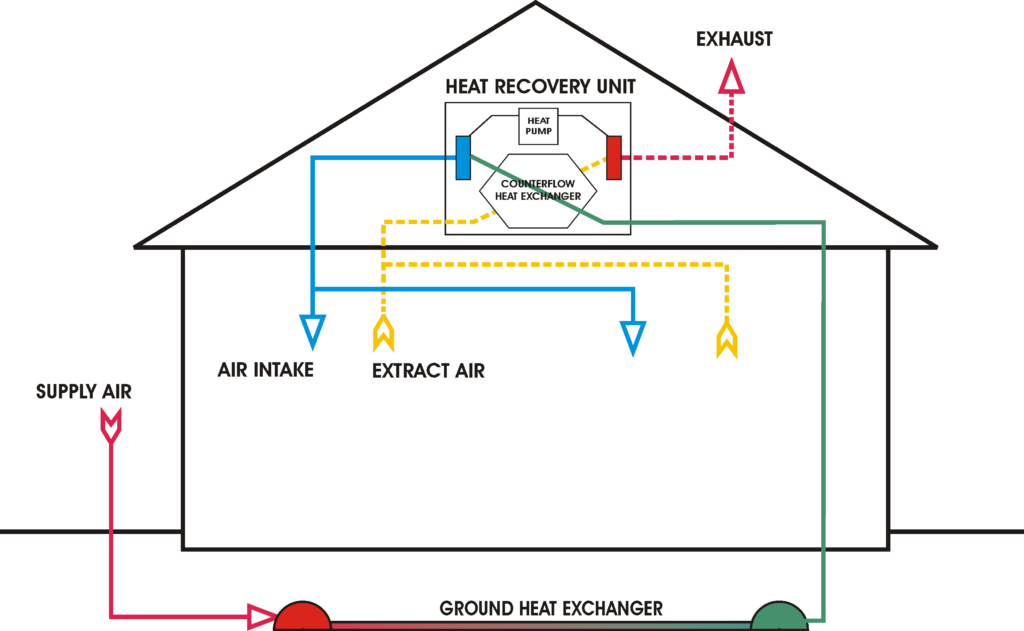
As we spend more time indoors, it’s essential to understand the importance of ventilation in maintaining good indoor air quality. In this article, we’ll explore the concept of ventilazione con recupero di calore (ventilation with heat recovery), its benefits, and how it can be integrated into your home or office.
The Dangers of Indoor Air Pollution
Did you know that the air inside your home is up to five times more polluted than the air outside? This is due to various factors like bacteria, mold, pollen, dust mites, allergens, and pollutants from household cleaning products. These substances can cause allergies, respiratory issues, and even affect mental health.
The Importance of Ventilation
To avoid indoor air pollution, ventilation plays a crucial role in exchanging stale air with fresh air. This is especially important for people who smoke, have pets, or work in areas where vapors are present, such as kitchens and bathrooms.
How Ventilation Works
Ventilazione con recupero di calore systems use heat recovery technology to capture the energy from exhaust air and reuse it to warm or cool incoming fresh air. This process enhances energy efficiency while maintaining a healthy indoor climate.
Types of Ventilation Systems
There are two main types of ventilation systems:
- Mechanical Ventilation: This type of system uses fans to exchange air, but it doesn’t recover any heat.
- Heat Recovery Ventilation (HRV): HRV systems use heat recovery technology to capture the energy from exhaust air and reuse it to warm or cool incoming fresh air.
Benefits of Heat Recovery Ventilation
The benefits of heat recovery ventilation include:
- Improved indoor air quality
- Increased energy efficiency
- Reduced heating and cooling costs
- Enhanced comfort and reduced allergens
Choosing the Right System for Your Home or Office
When selecting a ventilation system, consider factors like your space size, airflow requirements, and budget. Some popular options include:
- VMC Solitair: A compact and energy-efficient HRV system suitable for small spaces.
- Lossnay VL 100 EU-5E: A high-performance HRV system ideal for larger spaces.
Installation and Maintenance
Installation and maintenance of ventilation systems are crucial to ensure optimal performance. Consider factors like ease of installation, maintenance requirements, and compatibility with your existing HVAC system.
Conclusion
Effective ventilation with heat recovery is a smart solution for energy efficiency and indoor air quality. By understanding the benefits and choosing the right system for your space, you can enjoy a healthier, more comfortable environment while reducing your energy bills.
FAQs
- What is ventilation con recupero di calore?
Ventilation con recupero di calore (ventilation with heat recovery) is a ventilation system that captures the energy from exhaust air and reuses it to warm or cool incoming fresh air. - How does heat recovery ventilation work?
Heat recovery ventilation systems use heat exchangers to capture the energy from exhaust air and transfer it to incoming fresh air, which is then warmed or cooled using this recovered energy. - What are the benefits of heat recovery ventilation?
The benefits of heat recovery ventilation include improved indoor air quality, increased energy efficiency, reduced heating and cooling costs, enhanced comfort, and reduced allergens. - How do I choose the right ventilation system for my space?
Consider factors like your space size, airflow requirements, and budget when selecting a ventilation system. Popular options include HRV systems from manufacturers like VMC Solitair and Lossnay VL 100 EU-5E. - What is the importance of regular maintenance for ventilation systems?
Regular maintenance ensures optimal performance and extends the lifespan of your ventilation system. This includes tasks like cleaning filters, inspecting ductwork, and performing routine inspections. - Can heat recovery ventilation be used in conjunction with other HVAC systems?
Yes, heat recovery ventilation can be integrated with existing HVAC systems to enhance energy efficiency and indoor air quality. - What are the costs associated with installing a heat recovery ventilation system?
The cost of installing a heat recovery ventilation system varies depending on factors like the size of your space, the type of system chosen, and local labor costs. On average, installation costs can range from $500 to $2,000. - How long does it take to install a heat recovery ventilation system?
The installation time for a heat recovery ventilation system depends on factors like the size of your space and the complexity of the installation. On average, installation can take anywhere from a few hours to several days.
Common Ventilation Challenges
Some common challenges faced by homeowners and businesses when implementing ventilation systems include:
- Noise: Ventilation systems can generate noise during operation. However, this can be minimized with proper design and installation.
- Energy Efficiency: Heat recovery ventilation systems can reduce energy consumption by up to 50% compared to traditional HVAC systems.
- Indoor Air Quality: Proper ventilation helps maintain good indoor air quality, reducing the risk of allergies and respiratory issues.
- Maintenance Costs: Regular maintenance is essential for ensuring optimal performance. However, some systems may require more frequent maintenance than others.
Conclusion
Effective ventilation with heat recovery is a smart solution for energy efficiency and indoor air quality. By understanding the benefits and choosing the right system for your space, you can enjoy a healthier, more comfortable environment while reducing your energy bills.
In conclusion, effective ventilation with heat recovery technology offers numerous benefits for both residential and commercial spaces. It enhances indoor air quality, reduces energy consumption, and decreases maintenance costs. With proper installation and regular maintenance, it can play a crucial role in improving the overall health and comfort of occupants.


