
In today’s world, where energy crisis is a pressing concern, renewable energy sources have become the most promising solution. Among these sources, solar power stands out as the richest source of clean energy, offering an infinite amount of power and serving as an ideal solution for tackling the planet’s energy crisis.
But, despite its numerous benefits, solar power is not without its drawbacks. Its high costs make it less attractive to many countries, leading to a lack of investment in this area. However, with the increasing demand for renewable energy sources, wind power is taking over as the more economical choice, albeit one that requires more effort to manage.
Let’s delve into the world of solar power and explore its benefits, challenges, and potential applications.
The High Cost of Solar Power
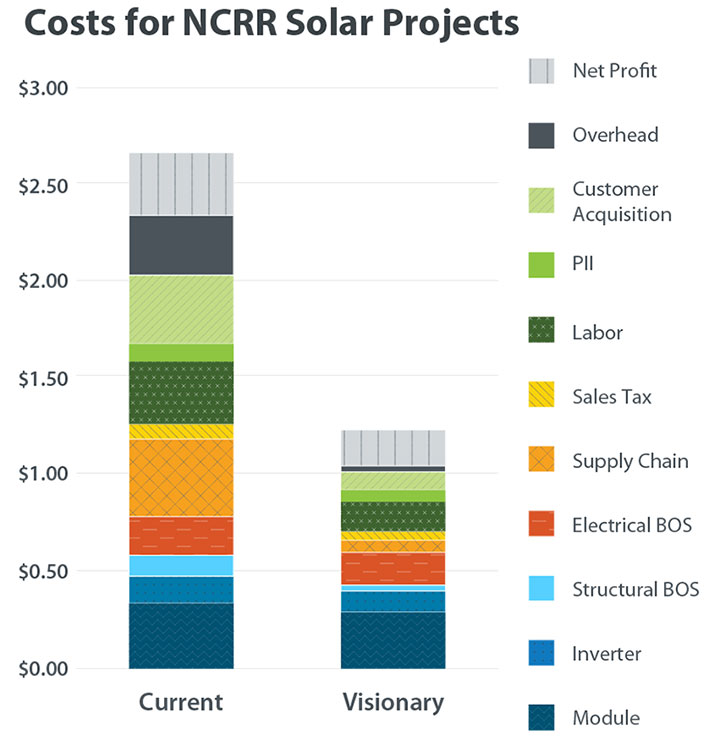
One of the main reasons why solar power is not yet widely adopted is its high cost. The production costs are substantial, with approximately $9,000 required for every kilowatt of energy produced. This is a significant investment that will yield returns only in the long term.
However, when considering the long-term benefits and the fact that our planet’s resources are finite, it becomes clear that investing in renewable energy sources like solar power is essential.
The Economic Benefits of Solar Power
While the upfront costs may seem daunting, there are several economic benefits to consider. As fossil fuels become increasingly scarce, their prices will rise, making renewable energy sources even more attractive. Furthermore, governments around the world are offering incentives for individuals and businesses to invest in solar power systems, helping to reduce the initial cost.
In addition, the economic benefits of solar power go beyond just reducing energy costs. It also creates jobs and stimulates local economies through the installation and maintenance of solar panels.
For example, the installation of a solar panel system can create employment opportunities for skilled tradespeople, such as electricians and carpenters. Moreover, the maintenance of existing systems requires regular inspections and repairs, which can lead to additional job creation in the long run.
The Environmental Benefits of Solar Power
One of the most significant advantages of solar power is its environmental impact. Unlike fossil fuels, which release greenhouse gases that contribute to climate change, solar power generates clean energy with no emissions or pollution. This makes it an attractive option for countries looking to reduce their carbon footprint and mitigate the effects of global warming.
In fact, the production of electricity from solar panels can help to alleviate air pollution by reducing the amount of pollutants released into the atmosphere. By harnessing the energy of the sun, we can create a cleaner, healthier environment for future generations.
The Potential of Solar Thermal Energy
Solar thermal energy is another promising application of solar power technology. This method involves using mirrors or lenses to focus sunlight onto a heat exchanger, producing steam that drives a turbine to generate electricity.
One notable example of this technology is the Andasol Commercial Solar Park in Spain, which is the largest commercial solar park in the world. The park uses three units, each generating 50W of power, to produce enough energy for over 6,000 homes. The system also includes a heat storage unit that captures excess energy during the day and releases it at night, providing a stable source of electricity.
Advancements in Solar Panel Technology
The efficiency of solar panels has improved significantly over the years, with some modern panels achieving efficiencies of up to 22%. This means that more sunlight is converted into electricity, making solar power even more attractive.
Furthermore, advancements in materials science have led to the development of more durable and efficient solar panels. For instance, the introduction of perovskite solar cells has shown great promise, offering higher efficiency rates and lower production costs.
The Role of Solar Power in Energy Storage
As the demand for renewable energy sources continues to grow, the need for energy storage solutions becomes increasingly important. Solar power can be used to generate electricity during the day, which is then stored in batteries or other energy storage systems for use at night or during periods of low sunlight.
This concept is often referred to as “peak shaving,” where excess energy generated during peak hours is stored and released during off-peak hours to reduce strain on the grid. By integrating solar power with energy storage solutions, we can create a more efficient and reliable energy system.
Conclusion
In conclusion, solar power is a vital component of our transition to renewable energy sources. While its high costs may seem daunting, the economic and environmental benefits make it an attractive option for countries looking to reduce their reliance on fossil fuels. As technology continues to advance and economies of scale are achieved through mass production, solar power will become increasingly affordable.
Frequently Asked Questions
- How much does solar power cost?
Solar panels can be expensive upfront, but the cost per kilowatt has decreased significantly over the years, making it more accessible to homeowners and businesses. - Is solar power reliable?
While there are occasional cloudy days that affect energy production, modern solar panels have a high efficiency rate and are designed to operate efficiently even on partial cloud cover. - Can I generate electricity from solar power at night?
Yes, with the help of heat storage units, solar thermal systems can provide electricity during the night or when the sun is not shining. - Is solar power good for the environment?
Solar energy is clean and renewable, producing no emissions or pollution, making it an attractive option for countries looking to reduce their carbon footprint. - How much space do I need for a solar panel system?
The amount of space required depends on the size of the system and the desired level of energy production. However, even small spaces can be utilized with modern solar panel designs. - Can I use solar power if it’s cloudy outside?
While clouds can affect energy production to some extent, modern solar panels are designed to operate efficiently even on partial cloud cover. - Is solar power suitable for all climates?
Solar power is suitable for most climates, but it may not be the best option in extremely cold or humid regions where snow and moisture can reduce energy efficiency. - Can I generate electricity from solar power while traveling?
Yes, portable solar panels can be used to charge devices on-the-go, making them an ideal accessory for outdoor enthusiasts and remote workers.
Future Outlook
As the world continues to transition towards renewable energy sources, solar power is poised to play a major role in meeting our energy needs. With advancements in technology, decreasing costs, and increasing demand, solar power will become an increasingly viable option for countries looking to reduce their reliance on fossil fuels.
In the coming years, we can expect to see significant investment in solar power infrastructure, leading to increased efficiency and reduced costs. Furthermore, governments around the world are implementing policies and incentives to encourage the adoption of renewable energy sources, making it easier for individuals and businesses to invest in solar power systems.
As the demand for clean energy continues to grow, solar power will become an increasingly important component of our global energy mix. With its numerous benefits, including reduced costs, increased efficiency, and environmental sustainability, solar power is poised to play a major role in shaping our energy future.


