
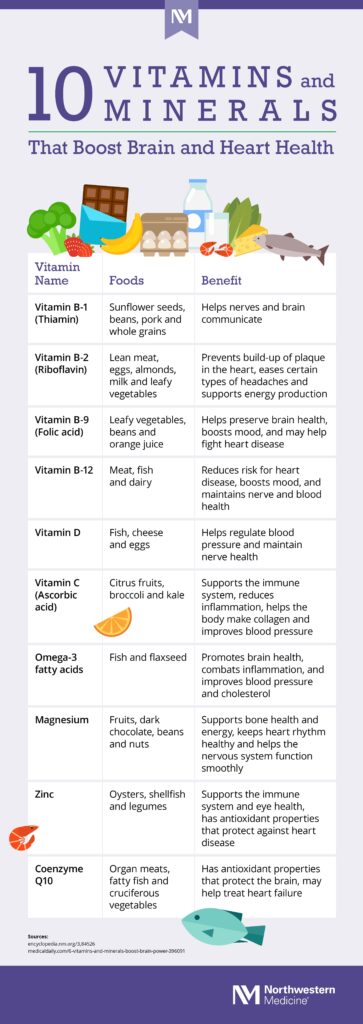
Are vitamins really the key to unlocking better memory? Can we incorporate these “brain food” supplements into our diet to improve cognitive function and reduce forgetfulness? While there’s no magic bullet, research suggests that certain vitamins and nutrients may indeed support brain health.
What Are Vitamins for Memory?
Let’s dive into some of the most promising vitamins and nutrients for memory:
Vitamin B12: The Brain-Boosting Vitamin
Scientists have long studied the relationship between low levels of vitamin B12 (cobalamine) and memory decline. Studies show that sufficient intake may improve cognitive function, particularly in individuals with Alzheimer’s disease. However, there’s no conclusive evidence that excessive amounts beyond recommended daily limits provide additional benefits.
Vitamin E: Antioxidant Powerhouse
Research suggests that vitamin E may support brain health in older adults. A 2014 study published in the Journal of the American Medical Association found that high doses of vitamin E (2,000 IU/day) helped individuals with mild to moderate Alzheimer’s disease slow down cognitive decline.
The Fine Print: Risks and Recommendations
While vitamin E is generally easy to obtain through a balanced diet, excessive consumption (over 1,000 IU/day) may be hazardous for people with cardiovascular issues. Consult your doctor before taking high-dose supplements, especially if you have pre-existing medical conditions or use blood thinners.
Other Promising Vitamins and Nutrients
In addition to vitamin B12 and E, other vitamins and nutrients that may support brain health include:
- Vitamin D: Essential for mood regulation and cognitive function. Research suggests that low levels of vitamin D are associated with increased risk of dementia.
- Magnesium: Involved in synaptic plasticity and neuronal communication. Studies show that magnesium deficiency is linked to cognitive decline and age-related memory loss.
- Omega-3 fatty acids: Support brain health by reducing inflammation and promoting neural function. Food sources include fatty fish, flaxseeds, and walnuts.
The Best Ways to Support Your Memory
Now that we’ve explored the vitamins, let’s talk about how to support your brain health:
- Eat a well-balanced diet rich in fruits, vegetables, whole grains, and lean proteins.
- Incorporate Mediterranean-style meals into your routine, which are known for their cognitive benefits.
- Regular exercise and mental stimulation can also help keep your mind sharp.
The Mediterranean Diet: A Key to Better Memory
A Mediterranean diet is often cited as an ideal eating pattern for many people. It’s characterized by:
- High consumption of fruits and vegetables
- Reduced intake of red meat
- Regular use of olive oil in cooking and dressing
- Moderate fish consumption
Before making any significant changes to your diet, consult with your healthcare provider to create a personalized plan that meets your nutritional needs.
Mind-Body Connection: How Stress Affects Memory
Stress can have a significant impact on memory and cognitive function. When we’re under stress, our body’s “fight or flight” response is triggered, releasing hormones like cortisol and adrenaline. These hormones can impair short-term memory and reduce focus.
To mitigate the effects of stress on memory:
- Practice relaxation techniques like meditation, deep breathing, or yoga
- Engage in regular physical activity to reduce stress and anxiety
- Get enough sleep to help consolidate memories
FAQs
Here are some frequently asked questions about vitamins and memory:
- Q: Can I take vitamin supplements to improve my memory?
A: Consult your doctor before taking high-dose supplements. Ensure you’re getting essential nutrients through your diet. - Q: What is the best way to support brain health beyond vitamins and minerals?
A: Regular exercise, mental stimulation, and a balanced diet are all crucial for maintaining cognitive function. - Q: Can a Mediterranean-style diet really help with memory?
A: Yes, research suggests that this eating pattern can provide cognitive benefits.
By understanding the role of vitamins in supporting brain health, you can take a proactive approach to improving your memory and overall well-being. Consult with your healthcare provider before starting any new supplements or making significant changes to your diet.


