
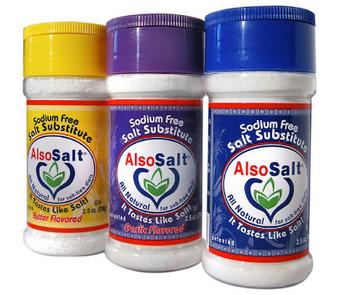
As we navigate the complexities of modern cooking, it’s easy to get caught up in the convenience of pre-packaged ingredients. However, this can lead us down a path of compromised health, particularly when it comes to our sodium intake. In this article, we’ll explore natural alternatives to table salt that are not only delicious but also better for your body.
The Problem with Table Salt
While a small amount of salt is unlikely to cause harm, excessive consumption can have serious consequences for those with certain health conditions. Hypertension and fluid retention are two major concerns that can be mitigated by switching to natural alternatives.
If you’re looking for ways to reduce your sodium intake, consider the following options:
- Herbs and Spices: Aromatic herbs like thyme, rosemary, and oregano can add depth and complexity to your dishes without adding salt.
- Acidic Ingredients: Lemon juice or vinegar can be used as a natural substitute for salt in many recipes.
Understanding the Importance of Salt in Cooking
Salt is an essential ingredient in cooking, serving multiple purposes:
- Enhancing flavor: Salt brings out the natural flavors of ingredients and adds depth to dishes.
- Preserving food: Salt helps preserve food by drawing out moisture and preventing bacterial growth.
- Balancing flavors: Salt can balance the sweetness or bitterness of other ingredients in a recipe.
The Risks of Excessive Sodium Intake
While salt is necessary for cooking, excessive consumption can lead to health problems:
- Hypertension: High sodium intake can increase blood pressure and contribute to cardiovascular disease.
- Fluid retention: Excess salt can cause the body to retain water, leading to swelling and discomfort.
Natural Alternatives to Table Salt
Here are some popular natural alternatives to table salt that you might find useful:
- Herbs de Provence: A blend of herbs like thyme, rosemary, and oregano that add flavor to meats, vegetables, and soups.
- Citrus Zest: Grated citrus zest can be used as a natural substitute for salt in baked goods and savory dishes.
- Kombu Seaweed: A type of seaweed that is rich in minerals and can be used to make a salty broth or add flavor to soups.
Using Herbs and Spices
Herbs and spices are a versatile way to add flavor without salt:
- Thyme: Use fresh or dried thyme to add depth to soups, stews, and roasted vegetables.
- Rosemary: Add rosemary to meats, vegetables, and bread for a savory flavor.
- Oregano: Oregano pairs well with tomatoes, creating a classic pizza flavor combination.
Using Acidic Ingredients
Acidic ingredients can help balance flavors without salt:
- Lemon Juice: Use freshly squeezed lemon juice to add brightness to salads, sauces, and marinades.
- Vinegar: Choose from various types of vinegar, such as apple cider or balsamic, to add depth to dishes.
Other Alternatives
In addition to herbs, spices, and acidic ingredients, there are several other natural alternatives to table salt that you might find useful:
- Gomasio: A Japanese condiment made from sesame seeds and salt. While it does contain some sodium, it’s a healthier alternative to traditional table salt.
- Miso: A fermented soybean paste that can add depth and umami flavor to dishes without adding salt.
- Kala Namak Salt: A type of volcanic rock salt that is rich in minerals and has a unique flavor.
Benefits of Natural Alternatives
Switching to natural alternatives to table salt offers several benefits:
- Improved health: Reducing sodium intake can lower blood pressure, reduce the risk of cardiovascular disease, and improve overall health.
- Flavor enhancement: Herbs, spices, and acidic ingredients add depth and complexity to dishes without relying on salt.
- Cost-effective: Natural alternatives are often less expensive than traditional table salt.
Choosing the Right Alternative
With so many natural alternatives to table salt available, it can be overwhelming to choose the right one:
- Consider your dietary needs: If you have specific health requirements or restrictions, consider herbs and spices that pair well with your diet.
- Think about flavor profiles: Different herbs and spices complement various ingredients, so experiment to find your favorite combinations.
- Explore different textures: Citrus zest adds a bright, citrusy flavor, while kombu seaweed provides a savory depth.
Tips for Incorporating Natural Alternatives
To successfully incorporate natural alternatives to table salt into your cooking routine:
- Start small: Begin by substituting one or two ingredients per recipe and adjust as needed.
- Experiment with flavors: Try pairing herbs, spices, and acidic ingredients in new combinations to find what works best for you.
- Store them properly: Keep herbs, spices, and citrus zest fresh by storing them in a cool, dry place.
Conclusion
Reducing your sodium intake doesn’t have to mean sacrificing flavor. By exploring natural alternatives to table salt, you can add depth and complexity to your dishes while also improving your overall health. Whether you’re looking for herbs, spices, acidic ingredients, or other substitutes, there are plenty of options available to help you get started.
FAQs
- What is the best way to reduce sodium intake?
- Can I use lemon juice as a substitute for salt in all recipes?
- Are there any natural alternatives to table salt that are suitable for people with thyroid issues?
- How do I choose between different types of seaweed for cooking?
- Can I use gomasio as a substitute for salt in all recipes, or should I limit its use due to high sodium content?
- What are some common mistakes people make when trying to reduce their sodium intake?
- Are there any specific herbs or spices that pair well with citrus zest?
- Can I use miso as a substitute for salt in soups and sauces?


