
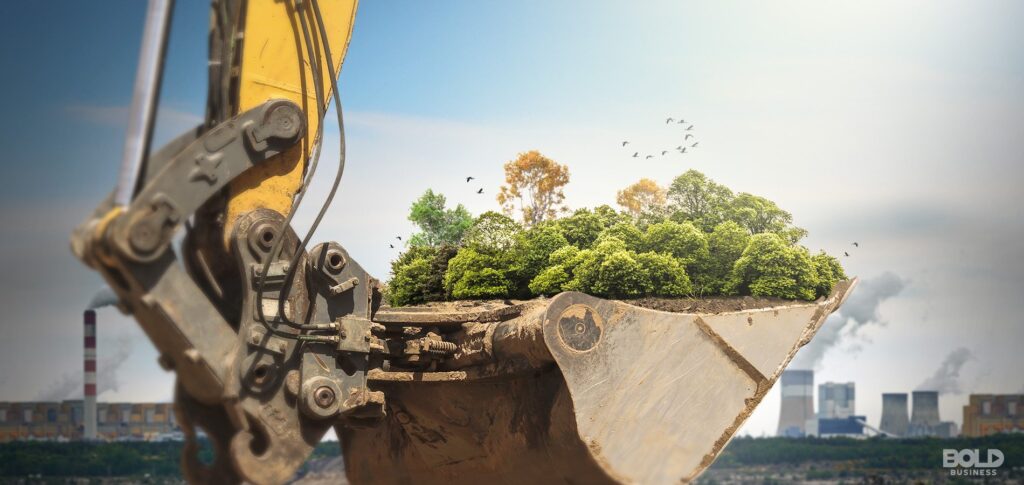
The Building that Kills the Environment: A Guide to Safe Renovations
Understanding the Importance of Hazardous Substance Labeling
If you’re thinking of renovating your home, it’s essential to be aware of the potential risks associated with building materials. The European Union has implemented a new regulation requiring hazardous substances in building materials to carry explicit labeling processes. But what does this mean for you, and why is it crucial to prioritize safety?
The Current Regulation: A Step Forward
Prior to July 2013, there was no comprehensive regulation governing the use of hazardous substances in construction projects. While some products were banned due to their toxicity, others continued to be widely used despite health risks. The new European regulation aims to fill this gap by mandating labeling processes for hazardous materials.
What is REACH?
The REACH (Registration, Evaluation, Authorization, and Restriction of Chemicals) regulation of 2006 plays a significant role in the implementation of this new rule. It requires manufacturers to provide information on substances used in their products, including recycling or reuse practices for hazardous materials. This ensures that consumers have access to accurate information about potential health risks associated with certain products.
Benefits of Hazardous Substance Labeling
By implementing labeling processes for hazardous materials, we can significantly increase safety for construction workers and individuals using built structures. This measure also promotes environmental sustainability by reducing the release of toxic substances into the air and water.
International Living Future Institute: A Resource Guide
The International Living Future Institute has compiled a list of harmful materials due to their environmental toxicity or negative effects on human health. This comprehensive guide provides valuable insights for those interested in adopting eco-friendly renovation practices.
Commonly Used Toxic Materials in Construction Projects
Despite the new regulation, some products continue to pose risks to human health and the environment. The following materials are often used in construction projects but can be hazardous if not handled properly:
- Actinolite: present in white asbestos
- Light and Heavy Naphthenic Petroleum Fractions
- Paraffinic Petroleum Fractions (Light and Heavy)
- Wood Dust
- Radon and its Decay Products
- Silica Crystals
Asbestos: A Persistent Health Risk
Asbestos, once used as an insulator, has been banned in Italy since 1992. However, Eternit remains widely available, posing a significant health risk to individuals handling these products. It’s essential to launch campaigns to clean up asbestos and promote awareness about its dangers.
Other Hazardous Materials to Watch Out For
In addition to asbestos, several other materials can be hazardous if not handled correctly:
- Lead Chromate
- Erionite
- Wood Creosote Fumes
- Acrilammide
- Vinyl Fluoride
- Glass Fiber
- Carbon Black (Black Smoke)
- Arc Welding with Electrodes
Eco-Friendly Alternatives to Toxic Materials
When it comes to renovating your home, consider opting for eco-friendly building materials instead of toxic substances. Some alternatives include:
- Polyurethane Resins: used as foam polyurethanes in foundation insulation
- Adhesives: containing acetate emulsions, bitumen or synthetic rubber emulsions, epoxy resins, polyurethane resins, and polyester resins
Conclusion
The implementation of hazardous substance labeling processes is a crucial step towards ensuring safety and environmental sustainability in construction projects. By understanding the risks associated with common toxic materials and opting for eco-friendly alternatives, individuals can make informed decisions about their renovation projects.
Frequently Asked Questions (FAQs)
- What is the purpose of the REACH regulation?
- The REACH regulation aims to provide information on substances used in products, including recycling or reuse practices for hazardous materials.
- Which materials are banned due to their toxicity?
- Asbestos, lead chromate, and erionite are some examples of toxic materials that have been banned or restricted.
- What is the International Living Future Institute’s role in promoting eco-friendly renovation practices?
- The institute has compiled a list of harmful materials due to their environmental toxicity or negative effects on human health.
- How can individuals protect themselves from the risks associated with toxic materials?
- By opting for eco-friendly building materials and following proper safety protocols, individuals can minimize exposure to hazardous substances.
- What are some common hazards associated with PVC products?
- PVC products can release dioxin when burned with waste, posing a significant health risk to individuals handling these products.
Additional Resources
For more information on eco-friendly renovation practices and toxic materials, consult the following resources:
- International Living Future Institute
- European Union’s REACH regulation
- National Institute for Occupational Safety and Health (NIOSH)
By staying informed and taking proactive steps towards sustainability, individuals can contribute to a healthier environment and promote a safer future for generations to come.


