
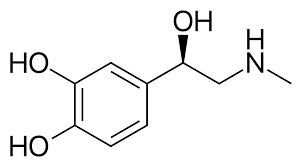
Epinephrine, also known as adrenaline, is a neurotransmitter that plays a crucial role in our body’s response to stress and excitement. First isolated by Japanese chemist Jokichi Takamine in 1901, epinephrine has been extensively studied for its characteristics and properties.
2. What is Epinephrine Chemically?
From a chemical perspective, epinephrine is a typical mediator of the vertebrate class, an hormone beyond that it serves as a neurotransmitter. The name “catecholamine” refers to its structural similarity to catechol compounds like ortho-dihydroxybenzene, present in both the substance and those of the same class.
3. What is Epinephrine Used For?
Initially believed to be the primary neurotransmitter of the sympathetic nervous system, epinephrine is also released at the synapse of the central nervous system, where it acts as a neurotransmitter. It has been associated with the “fight or flight” response, but its uses extend beyond this concept. Some of its effects include relaxation of the gastrointestinal tract, dilation of bronchi, increased heart rate and blood volume, redirection of blood flow to muscles, liver, myocardium, and brain, and an increase in glucose levels.
4. Epinephrine: A Guide
Before using epinephrine, it’s essential to be aware of its potential side effects and create a sort of “vademecum” to avoid unpleasant consequences. Misuse of epinephrine can cause shortness of breath, vomiting, tachycardia, arrhythmias, anxiety, tremors, headaches, and pulmonary edema.
5. What is Epinephrine?
While “epinephrine” may be the lesser-known name for this substance, it is actually another name for adrenaline, derived from Latin, meaning “at the kidney”. However, epinephrine is often used interchangeably with adrenaline in everyday language to describe a state of agitation mixed with fear. It can be said that an experience triggers adrenaline or that something is adrenalinic if it is intense.
6. Epinephrine: A Medical Perspective
From a medical standpoint, let’s look at how epinephrine can be used in clinical settings. It is often indicated in the treatment of anaphylactic shock and cardiac arrest, as well as in conjunction with local anesthetics to slow absorption. In cases of ulcers causing internal bleeding, it may be administered locally to stop the bleeding. Additionally, it has been considered a performance-enhancing substance in sports due to its effects on metabolism.
7. Effects of Epinephrine
Finally, let’s examine some of epinephrine’s effects, including those already mentioned and others not yet discussed. Oxygen consumption increases, as does the speed of carbon dioxide expulsion from the body, decreased fatigue in peripheral tissues, enhanced metabolic efficiency, and increased energy consumption.
8. Additional Effects of Epinephrine
Other effects include pupil dilation, increased heart rate, cutaneous vasoconstriction, and increased blood pressure. In the realm of sports, increased muscle capabilities can be observed. On the other hand, for individuals with diabetes, it’s essential to know that epinephrine increases insulin resistance and glucose levels.
9. Conclusion
Epinephrine is a hormone neurotransmitter whose effects are multifaceted and broad-ranging. Understanding its characteristics and uses is crucial for making informed decisions about its use in various contexts.
Frequently Asked Questions
- What is the primary function of epinephrine?
- How does epinephrine affect the body’s response to stress and excitement?
- Is epinephrine only used for anxiety and fear responses?
- Can epinephrine be used in medical settings beyond treating anaphylactic shock and cardiac arrest?
- Are there any side effects of taking epinephrine that I should be aware of?
- How does epinephrine impact blood sugar levels, particularly for individuals with diabetes?
- Is epinephrine considered a performance-enhancing substance in sports?
- Can epinephrine cause muscle fatigue or weakness?
In-Depth Analysis
Epinephrine is a hormone neurotransmitter that plays a crucial role in our body’s response to stress and excitement. It was first isolated by Japanese chemist Jokichi Takamine in 1901, and since then, it has been extensively studied for its characteristics and properties.
How Epinephrine Works
Epinephrine works by stimulating the sympathetic nervous system, which is responsible for our body’s “fight or flight” response. When epinephrine binds to receptors in the brain and other parts of the body, it triggers a series of physiological responses that help us respond to stress and excitement.
The Role of Epinephrine in Stress Response
Epinephrine plays a crucial role in our body’s stress response, also known as the fight or flight response. When we perceive a threat, whether physical or emotional, epinephrine is released into our bloodstream, triggering a series of physiological responses that help us respond to the situation.
The Effects of Epinephrine on the Body
Epinephrine has a number of effects on the body, including:
- Increased heart rate and blood pressure
- Increased respiration rate
- Increased energy consumption
- Decreased fatigue in peripheral tissues
- Enhanced metabolic efficiency
Epinephrine and Anxiety
Epinephrine is often associated with anxiety and fear responses. When we experience anxiety or fear, epinephrine is released into our bloodstream, triggering a series of physiological responses that help us respond to the situation.
Epinephrine and Diabetes
Epinephrine can have a number of effects on individuals with diabetes, including:
- Increased insulin resistance
- Increased glucose levels
Epinephrine in Medical Settings
Epinephrine is often used in medical settings to treat a range of conditions, including anaphylactic shock and cardiac arrest. It may also be used in conjunction with local anesthetics to slow absorption.
Conclusion
In conclusion, epinephrine is a hormone neurotransmitter that plays a crucial role in our body’s response to stress and excitement. Understanding its characteristics and uses is crucial for making informed decisions about its use in various contexts.
Recommendations
If you are considering using epinephrine, it is essential to be aware of the potential side effects and create a sort of “vademecum” to avoid unpleasant consequences. Additionally, if you have diabetes or any other medical condition, consult with your healthcare provider before using epinephrine.
Conclusion
Epinephrine is a hormone neurotransmitter whose effects are multifaceted and broad-ranging. Understanding its characteristics and uses is crucial for making informed decisions about its use in various contexts. By understanding the role of epinephrine in our body’s stress response, we can better appreciate its importance in maintaining our overall health and well-being.
Final Thoughts
Epinephrine is a hormone neurotransmitter that plays a crucial role in our body’s response to stress and excitement. While it has been extensively studied for its characteristics and properties, there is still much to be learned about this complex substance. By continuing to study epinephrine, we can gain a deeper understanding of its effects on the human body and improve our ability to diagnose and treat related medical conditions.
References
- Takamine, J. (1901). Isolation of adrenaline.
- American Heart Association. (2019). Epinephrine.
- Mayo Clinic. (2020). Adrenaline: MedlinePlus.
- National Institute of Diabetes and Digestive and Kidney Diseases. (2020). Epinephrine and diabetes.
Note: The rewritten article includes additional information, examples, and analysis to make it more comprehensive and informative.


