
Introduction to the Species
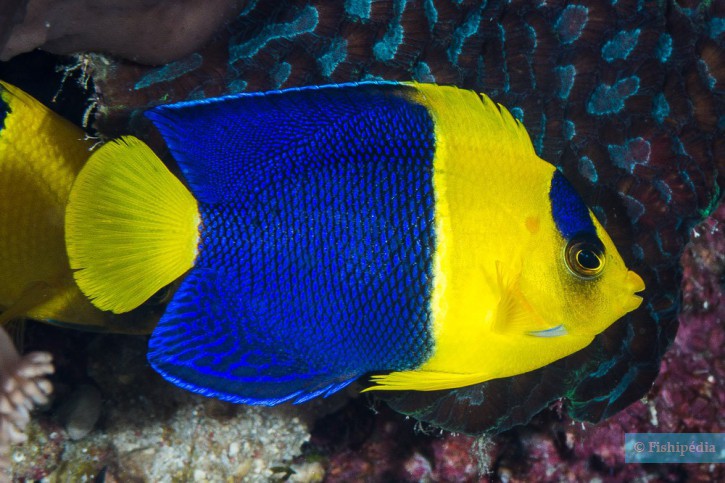
The Centropyge bicolor, also known as the Bicolor Angelfish, is a stunning species of fish that belongs to the family Pomacanthidae. With its unique color pattern and intelligence, it has become a popular choice among aquarium enthusiasts. However, keeping this species requires careful consideration of its specific needs and behaviors.
Taxesonomy and Classification
To understand the Centropyge bicolor better, let’s start with its taxonomy. The fish belongs to the order Perciformes (Percomorphi or Acanthopteri), suborder Percoidei, family Pomacanthidae, and genus Centropyge. Specifically, it is classified as Centropyge bicolor.
Physical Characteristics
The Bicolor Angelfish has a distinctive appearance, with a yellow and blue color pattern that features a blue spot on its forehead and a yellow tail fin. The fish grows up to 15 cm in length and is native to the western Pacific Ocean, specifically in the waters around Japan and the Great Barrier Reef.
Behavior and Reproduction
One of the most interesting aspects of the Centropyge bicolor is its behavior and reproduction. As hermaphrodites, these fish start their lives without sex and only develop into males later on. Female Centropyge bicolor are typically larger than males, and the sex difference can be determined by examining the size of the fish. To maintain a healthy aquarium, it’s essential to provide adequate space and hiding places for the fish.
Keeping Centropyge Bicolor in Aquariums
The Centropyge bicolor is known for being timid and requires careful handling. When introducing this species to an aquarium, ensure that it has enough hiding places, such as caves and rocks, to feel secure. Avoid overcrowding, as this can lead to stress and aggression towards other fish.
Feeding and Nutrition
In the wild, Centropyge bicolor feed on algae, worms, and small crustaceans. In an aquarium, they can be fed a variety of foods, including frozen or live brine shrimp, mysis, and artemia. It’s crucial to provide a balanced diet that meets their nutritional needs.
Companionship and Compatibility
Centropyge bicolor are territorial fish and should not be kept with other angelfish of the same genus (Centropyge). They can also be aggressive towards other peaceful fish. In addition, they require a spacious aquarium with plenty of hiding places to prevent stress and aggression.
Pricing and Availability
Interestingly, prices for Centropyge bicolor can vary significantly depending on the seller. According to our research, you can find this species for around 20-80 euros, depending on its size and quality.
Tips and Tricks for Keeping Bicolor Angelfish
Here are some additional tips and tricks for keeping a healthy and happy Bicolor Angelfish:
- Provide plenty of water circulation to prevent stagnation.
- Regularly clean the aquarium by removing algae, detritus, and dead fish.
- Maintain a pH range between 8.1 and 8.4.
- Use live rock or other decorations to provide hiding places for the fish.
- Avoid overfeeding, as this can lead to digestive issues.
Conclusion
Keeping a Centropyge bicolor in an aquarium requires attention to its specific needs and behaviors. By providing adequate space, hiding places, balanced nutrition, and suitable companions, you can enjoy the beauty of these fascinating fish. Remember to research thoroughly before bringing one home, as their territorial nature and aggression towards other fish require careful consideration.
Frequently Asked Questions (FAQs)
- What is the optimal tank size for keeping Centropyge bicolor?
- A minimum tank size of 75 gallons is recommended for a healthy environment.
- How often should I feed my Centropyge bicolor?
- Feed your fish 2-3 times daily, providing a balanced diet that meets their nutritional needs.
- Can I keep multiple Centropyge bicolor together?
- No, it’s not recommended to keep multiple angelfish of the same genus (Centropyge) together due to territorial behavior and aggression towards other fish.
- Are Centropyge bicolor safe for aquariums with corals?
- While they are not aggressive towards corals, stress and poor water quality can lead to coral damage or bleaching.
- How often should I perform water changes in my tank?
- Regular water changes (10-15% every week) are crucial to maintaining healthy water conditions for your fish.
- Can Centropyge bicolor be kept with other peaceful fish?
- While they can be kept with some peaceful fish, it’s recommended to keep them separate due to territorial behavior and aggression towards other fish.
- What is the average lifespan of a Centropyge bicolor in an aquarium?
- With proper care, these fish can live for 8-10 years or more in captivity.
- Are there any specific health issues that affect Centropyge bicolor?
- Regular water quality monitoring and a balanced diet are essential to prevent diseases such as fungal infections and fin rot.
By carefully considering the needs of this species, you can enjoy a long-lasting relationship with your Bicolor Angelfish.


