
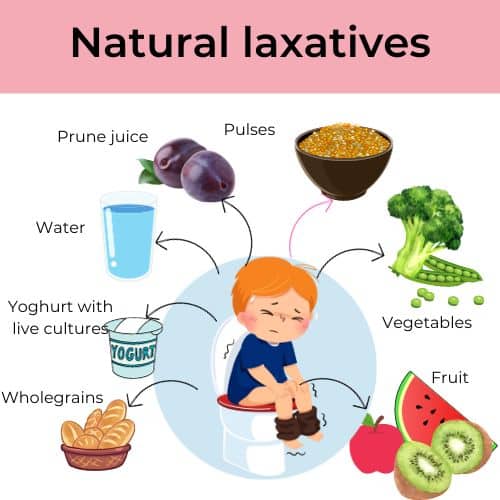
Constipation is a common problem that affects millions of people worldwide. While it can be caused by various factors, including dietary habits and lifestyle choices, there are several natural remedies that can help alleviate the symptoms. In this article, we will explore some effective natural remedies for constipation, including foods, drinks, and supplements that can help stimulate bowel movements and promote digestive health.
Understanding Constipation
Before we dive into the natural remedies, it’s essential to understand what causes constipation. Constipation occurs when the bowels move too slowly, allowing stool to remain in the colon for an extended period. This can lead to hard, dry stools that are difficult to pass, as well as discomfort and pain.
Causes of Constipation
Constipation is often caused by a combination of factors, including:
- Dietary habits: a diet low in fiber and high in processed foods can contribute to constipation
- Lifestyle choices: lack of physical activity, stress, and irregular bowel movements can all exacerbate constipation
- Medical conditions: certain medical conditions, such as irritable bowel syndrome (IBS), hypothyroidism, and diabetes, can increase the risk of constipation
- Medications: certain medications, such as antidepressants, antihistamines, and painkillers, can slow down bowel movements
Natural Remedies for Constipation
Fortunately, there are several natural remedies that can help alleviate constipation. Here are some of the most effective ones:
1. Foods with Laxative Properties
Certain foods have natural laxative properties that can help stimulate bowel movements. These include:
- Prunes (dried plums): rich in sorbitol, a sugar substitute that helps soften stool and promote bowel movements
- Uva passa (grapes): contains anthocyanins, which help relax the muscles in the digestive tract and promote bowel movements
- Liquirizia (licorice root): has anti-inflammatory properties that can help soothe the digestive tract and stimulate bowel movements
- Bananas: high in potassium, which helps regulate fluid balance and promote bowel movements
2. Drinks to Help with Constipation
In addition to foods, certain drinks can also help alleviate constipation. These include:
- Warm water with lemon juice: stimulates digestion and promotes bowel movements
- Apple cider vinegar: has natural laxative properties that can help stimulate bowel movements
- Ginger tea: helps relax the muscles in the digestive tract and promote bowel movements
3. Supplements for Constipation
Certain supplements can also help alleviate constipation. These include:
- Psyllium husk: a soluble fiber that helps soften stool and promote bowel movements
- Magnesium: helps regulate fluid balance and promote bowel movements
- Probiotics: supports the growth of beneficial bacteria in the digestive tract, which can help promote bowel movements
4. Other Natural Remedies
In addition to foods, drinks, and supplements, there are several other natural remedies that can help alleviate constipation. These include:
- Aloe vera gel: has anti-inflammatory properties that can help soothe the digestive tract and stimulate bowel movements
- Barbabietola e verza (beets and celery): rich in fiber and antioxidants, which can help promote bowel movements and support digestive health
5. Lifestyle Changes
In addition to natural remedies, making lifestyle changes can also help alleviate constipation. These include:
- Staying hydrated: drinking plenty of water helps regulate fluid balance and promote bowel movements
- Exercise regularly: physical activity can help stimulate digestion and promote bowel movements
- Managing stress: stress can exacerbate constipation, so finding ways to manage stress is essential
Precautions and Contraindications
While natural remedies can be effective in alleviating constipation, there are certain precautions and contraindications to be aware of. These include:
- Interactions with medications: certain natural remedies can interact with medications, such as blood thinners and diabetes medications
- Allergies: some natural remedies, such as aloe vera gel, can cause allergic reactions in some individuals
- Pregnancy and breastfeeding: certain natural remedies, such as ginger tea, may not be safe for pregnant or breastfeeding women
Conclusion
Constipation is a common problem that affects millions of people worldwide. While it can be caused by various factors, there are several natural remedies that can help alleviate the symptoms. By incorporating foods, drinks, supplements, and lifestyle changes into your daily routine, you can promote digestive health and reduce the risk of constipation. Remember to always consult with a healthcare professional before starting any new supplements or making significant changes to your diet.
Frequently Asked Questions
- What is the best natural remedy for constipation?
- Can I treat constipation with home remedies alone?
- How often should I drink warm water with lemon juice?
- Can I take psyllium husk daily?
- Are there any foods that can worsen constipation?
Let us know if you have any further questions about natural remedies for constipation.
Additional Resources
- National Institute of Diabetes and Digestive and Kidney Diseases (NIDDK): provides information on constipation, including its causes, symptoms, and treatment options
- American Gastroenterological Association (AGA): provides information on constipation, including its causes, symptoms, and treatment options
- Academy of Nutrition and Dietetics: provides information on fiber-rich foods and their role in promoting bowel movements
By incorporating these natural remedies and lifestyle changes into your daily routine, you can promote digestive health and reduce the risk of constipation.


