
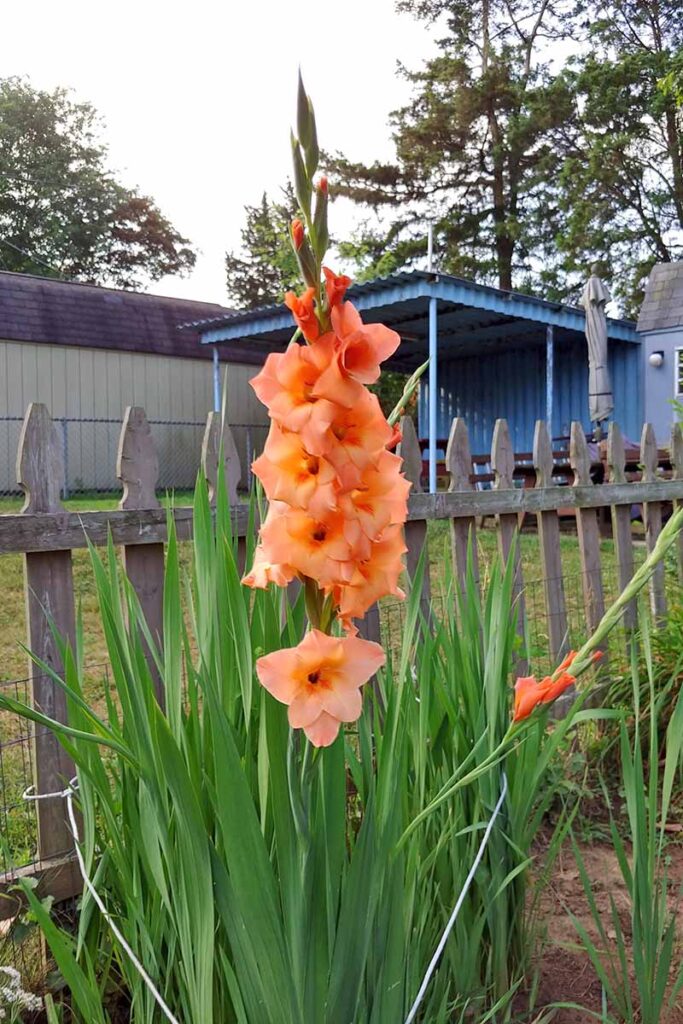
As we walk through a garden or stroll along a balcony, it’s hard not to notice the majestic beauty of gladioli. These stunning flowers come in a wide range of colors, from vibrant reds and oranges to soft pinks and whites, and even bold yellows. But what makes gladioli so special? Let’s dive into their fascinating world and explore the best ways to cultivate, care for, and understand these incredible blooms.
What are Gladioli?
Gladioli (Gladiolus) are a genus of plants belonging to the Iridaceae family. Native to Africa and Eurasia (Europe – Asia), they’re easy to grow and thrive in various climates. With over 300 species, gladioli have become a popular choice for gardeners and flower enthusiasts alike.
History and Evolution
Gladioli have been around for centuries, with evidence of their existence dating back to ancient civilizations such as the Egyptians, Greeks, and Romans. The name “gladiolus” comes from the Latin word “gladius,” meaning sword, which refers to the plant’s sword-shaped leaves. Over time, gladiolis have evolved into various species, each with its unique characteristics and growth patterns.
Types of Gladioli
There are several types of gladioli, including:
- Tall Gladioli: These varieties can grow up to 3 feet tall and are ideal for adding a dramatic touch to any garden or arrangement.
- Dwarf Gladioli: These compact varieties are perfect for smaller gardens or containers and produce fewer blooms but with more vibrant colors.
- Coneflower Gladioli: This type of gladiolus has large, showy flowers that resemble coneflowers and are a popular choice among gardeners.
When to Plant Gladioli?
To ensure a continuous display of flowers throughout the summer, it’s essential to plant gladioli in succession. By planting every two weeks, you’ll have new blooms emerging regularly. The ideal time to plant is in spring, as this allows for optimal growth and flowering. In warmer climates like Southern Italy, gladiolis can be planted as late as mid-summer.
Choosing the Right Bulbs
Selecting a variety of gladioli bulbs is crucial for creating a stunning display. You can mix different colors and types to create an eye-catching arrangement. To complement your gladiolis, consider pairing them with other summer-blooming flowers like daisies or zinnias. Planting in succession will also help you achieve extended flowering periods.
Gladioli Around the Orchard
Why not incorporate gladioli into your orchard or garden design? These statuesque flowers can create a breathtaking backdrop for your vegetables and fruits. Their tall stalks will add a dramatic touch, making your garden stand out from the rest.
Cultivation Tips
To ensure healthy growth and vibrant blooms, keep these cultivation tips in mind:
- Soil: Gladioli prefer well-draining soil that’s rich in organic matter.
- Sunlight: Provide full sun for optimal flowering.
- Leaves: Keep an eye on the height of your gladioli leaves, as they can grow quite tall. Make sure to prune them regularly to maintain a neat appearance.
- Wind Protection: Gladiolis are sensitive to wind, so make sure to protect them from harsh gusts.
Fertilization and Pest Control
For optimal growth and flowering, use a balanced fertilizer (5-10-10 or 5-10-5) at planting time. You can also add organic matter like guano to enrich the soil. For pest control, keep an eye out for diseases, pests, and fungus.
Gladioli with Yellow Leaves
If your gladiolus is showing yellow leaves, it could be due to overwatering or nutrient deficiencies. Inspect the plant carefully, and take action accordingly:
- Check Soil Moisture: Ensure the soil isn’t too wet, as this can cause roots to rot.
- Adjust Fertilization: Adjust your fertilization schedule to avoid overfertilizing.
Gladioli and Giaggiolis: A Family Connection
Did you know that gladiolis are closely related to giaggiolis? Both belong to the Iridaceae family. While they share a common ancestry, gladiolis have become more popular among gardeners due to their vibrant blooms and ease of growth.
The Meaning Behind Gladioli
Gladiolis hold significant meaning in various cultures and traditions. In Italian folklore, the red gladiolus is believed to ward off evil spirits and bring good fortune. When given as a gift, gladiolis symbolize:
- Strength: Representing courage, resilience, and inner strength.
- Personal Growth: Embodying self-awareness and personal growth.
By incorporating gladiolis into your garden or arrangements, you’ll not only add beauty but also convey powerful messages to those around you.
Frequently Asked Questions
Here are some frequently asked questions about gladiolis:
Q: How often should I water my gladioli?
A: Water your gladiolis when the soil feels dry to the touch, making sure not to overwater.
Q: Can I grow gladiolis in containers?
A: Yes, but ensure they receive sufficient sunlight and drainage.
Q: Are gladiolis toxic to pets?
A: While not typically toxic, it’s essential to keep an eye on your pet around these flowers due to potential allergic reactions.
Q: How do I care for my gladiolus after blooming?
A: After the blooms have faded, allow the foliage to dry up and then cut back the stalks. This will help prevent seed production.
Q: Can I grow gladiolis in indoor containers?
A: Yes, but ensure they receive sufficient light and maintain a consistent temperature between 65°F to 75°F (18°C to 24°C).
Q: How long do gladiolus flowers last?
A: Gladiolus blooms typically last for two weeks before fading.
Q: Can I use gladiolis in floral arrangements?
A: Absolutely! Their unique shape and vibrant colors make them an excellent addition to any bouquet or arrangement.
Gladioli and Cut Flower Arrangements
Gladioli are a popular choice among florists due to their long-lasting blooms and stunning appearance. They add a dramatic touch to any cut flower arrangement, making them perfect for special occasions like weddings and birthdays. Consider pairing gladiolis with other summer-blooming flowers like sunflowers or zinnias for an eye-catching display.
Tips for Creating a Gladioli Garden
To create a breathtaking gladioli garden, follow these tips:
- Choose a Variety: Select a variety of gladioli that complements your garden’s color palette and style.
- Soil Preparation: Prepare the soil by adding organic matter like compost or manure to ensure optimal growth.
- Plant at the Right Time: Plant your gladiolis in succession, allowing new blooms to emerge regularly.
- Provide Support: Provide support for tall varieties using stakes or trellises to prevent them from toppling over.
Conclusion
Gladioli are indeed one of the most captivating flowers in the garden world. With their stunning colors, elegant shapes, and symbolic meanings, it’s no wonder they’ve captured the hearts of so many. By understanding how to cultivate, care for, and appreciate these incredible blooms, you’ll unlock a world of beauty, strength, and personal growth.
Whether you’re a seasoned gardener or just starting out, gladiolis are an excellent addition to any garden or arrangement. So go ahead, plant some gladioli today, and let their majestic presence bring joy and wonder to your life!


