
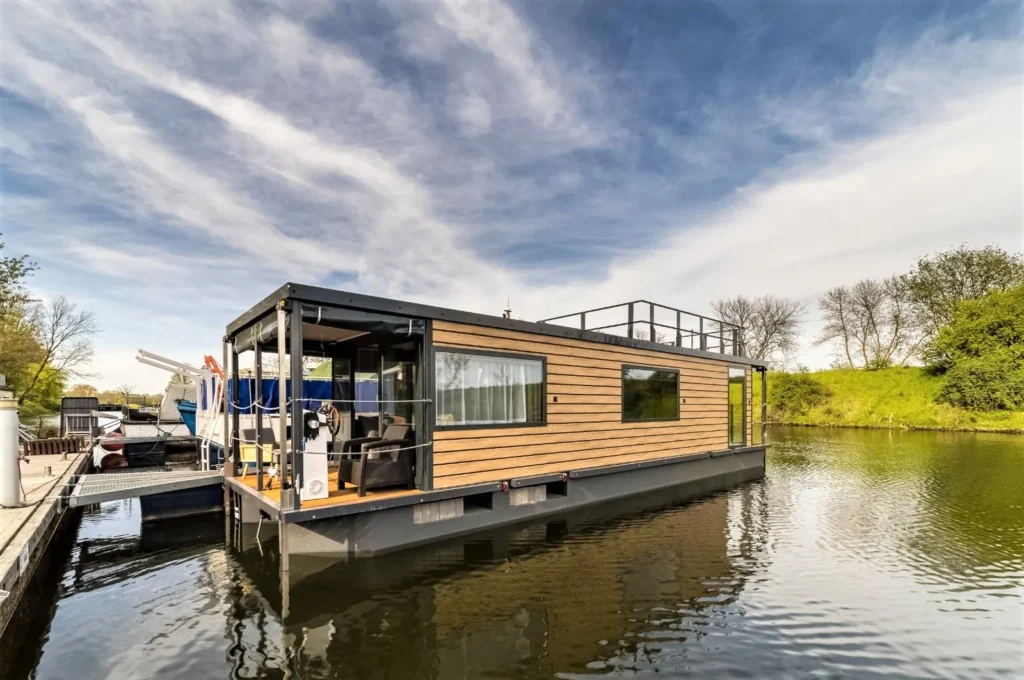
As the world grapples with the challenges of climate change and rising sea levels, researchers are turning their attention to a unique solution: floating homes. These innovative structures have been gaining popularity in recent years, particularly in areas prone to flooding and coastal erosion.
What are Floating Homes?
Floating homes, also known as houseboats or hovercraft houses, are designed to float on water instead of being anchored to the ground. They are typically built with a hull made of lightweight materials, such as fiberglass or aluminum, and are equipped with a propulsion system, like an outboard motor or propellers.
The Benefits of Floating Homes
So why are floating homes becoming increasingly popular? Here are just a few reasons:
- Protection from Flooding: By floating on water, these homes can be protected from flooding, which is becoming more frequent due to climate change.
- Sustainable Living: Many floating homes are designed with sustainability in mind, featuring solar panels, rainwater harvesting systems, and other eco-friendly features.
- Innovative Design: Floating homes offer a unique opportunity for innovative design, allowing architects and engineers to push the boundaries of what is possible.
Real-Life Examples of Floating Homes
Let’s take a look at some real-life examples of floating homes:
- Makoko, Nigeria: In this small village in Nigeria, residents have built an entire community of floating homes. The homes are made from local materials and feature simple, functional designs.
- Neuchatel, Switzerland: A team of architects designed three laboratories that floated on the lake in Neuchatel, providing a unique workspace for scientists.
- Rotterdam, Netherlands: In Rotterdam, a prototype of a floating home was built to test its feasibility as a sustainable and innovative housing solution.
The Future of Floating Homes
As concern about climate change continues to grow, we can expect to see more and more people turning to floating homes as a sustainable and innovative solution. With their unique design and eco-friendly features, these homes are poised to revolutionize the way we think about housing.
Technological Advancements in Floating Homes
Advances in technology have made it possible to build floating homes that are not only sustainable but also affordable and accessible to a wider audience. Some of the technological advancements that are making floating homes more viable include:
- Modular Construction: Modular construction allows for faster and more efficient building processes, reducing costs and increasing productivity.
- Advanced Materials: The use of advanced materials such as composites and recycled plastics has reduced the weight and environmental impact of floating home construction.
- Renewable Energy Systems: Floating homes are often equipped with renewable energy systems, such as solar panels and wind turbines, to reduce their carbon footprint.
Challenges and Limitations of Floating Homes
While floating homes offer many benefits, there are also some challenges and limitations that need to be addressed. Some of the key challenges include:
- Cost: Building a floating home can be expensive, particularly when compared to traditional housing options.
- Space Constraints: The limited space available on a floating platform can make it difficult to accommodate large families or groups.
- Stability and Safety: Floating homes require specialized design and construction to ensure stability and safety.
Conclusion
Floating homes offer a promising solution to the challenges of climate change and sustainable living. By providing protection from flooding, promoting eco-friendly practices, and offering innovative designs, these structures have the potential to transform the way we live and work. As technology continues to advance and more people become aware of the benefits of floating homes, we can expect to see this trend continue in the years to come.
Frequently Asked Questions
Q: What are the benefits of living in a floating home?
A: Living in a floating home offers several benefits, including protection from flooding, sustainability, and innovative design.
Q: How do floating homes work?
A: Floating homes work by using a hull made of lightweight materials to float on water. They are typically equipped with a propulsion system, like an outboard motor or propellers.
Q: Can anyone live in a floating home?
A: While floating homes can be designed for any type of occupant, they may not be suitable for everyone due to their unique design and potential limitations.
Q: What is the future of floating homes?
A: The future of floating homes holds much promise. With growing concern about climate change and sustainable living, we can expect to see more people turning to these innovative structures as a solution.
Q: How can I build my own floating home?
A: Building your own floating home requires careful planning, design, and construction. It’s recommended that you consult with experts in the field before embarking on such a project.
Q: Are floating homes regulated by any laws or regulations?
A: Yes, floating homes are subject to various laws and regulations, including building codes and environmental regulations. It’s essential to familiarize yourself with local laws and regulations before building or purchasing a floating home.
Q: Can I rent a floating home?
A: Yes, renting a floating home is possible in some areas. However, availability may be limited due to the unique nature of these structures.
Q: How do I maintain my floating home?
A: Regular maintenance is essential for keeping your floating home in good condition. This includes checking and replacing systems, performing routine inspections, and addressing any issues promptly.


