
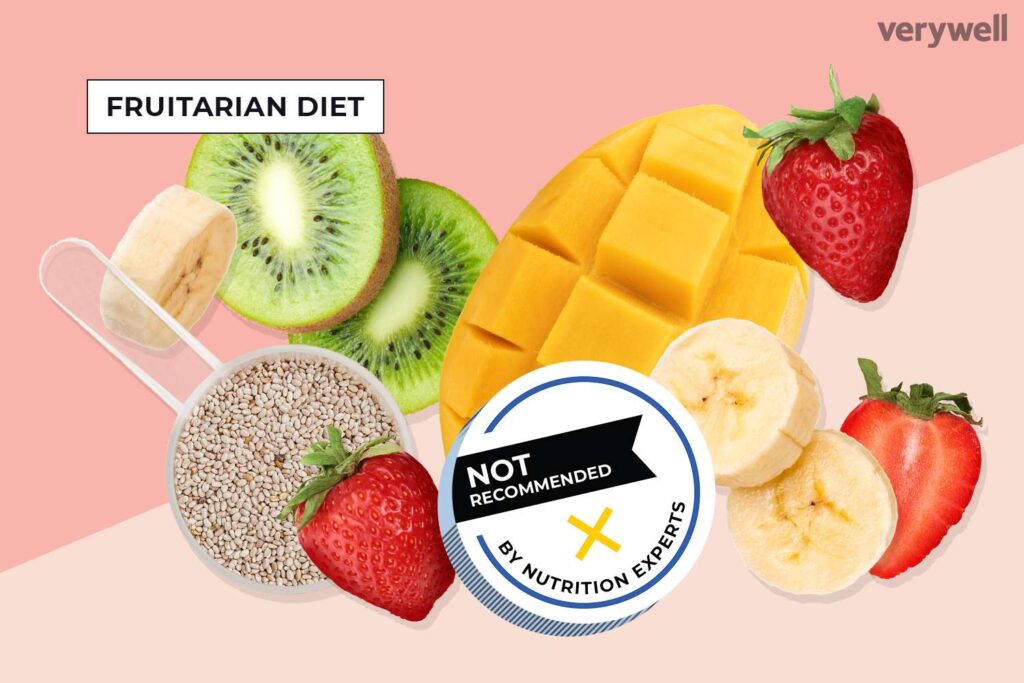
As a health enthusiast, you’ve probably heard of the concept of eating your way to weight loss. But have you ever wondered if a diet consisting solely of fresh fruit can really help you shed those extra pounds?
In this article, we’ll explore the benefits and limitations of the fruity diet, also known as a fruitarian diet. We’ll examine the science behind its potential weight-loss effects and provide practical tips on how to incorporate more fruits into your daily meals.
What is the Fruity Diet?
The fruity diet involves consuming only fresh, whole fruits for sustenance. Proponents of this diet claim that it can help detoxify the body, boost energy levels, and even promote overall well-being. While some experts agree with these claims, others argue that a diet consisting solely of fruit is not enough to sustain long-term weight loss.
The Benefits of Fresh Fruit
Fresh fruit is indeed an excellent source of essential nutrients like vitamins, minerals, and antioxidants. It’s also relatively low in calories and high in fiber, making it an ideal snack for weight management. Some benefits of incorporating more fruits into your diet include:
- Boosting energy levels
- Supporting healthy digestion
- Providing essential vitamins and minerals
- Promoting weight loss
The Drawbacks of a Fruitarian Diet
While fresh fruit is nutritious, relying solely on it for sustenance can lead to nutrient deficiencies. Here are some potential drawbacks of a fruity diet:
- Lack of protein: Fresh fruit lacks sufficient protein to support muscle growth and repair.
- Inadequate calorie intake: Consuming only fruits may not provide enough calories to sustain energy needs.
- Limited vitamin and mineral content: While fresh fruit is rich in certain vitamins and minerals, it often lacks others essential for optimal health.
How to Make the Most of a Fruitarian Diet
If you’re interested in trying a fruity diet, here are some tips to help you make the most of it:
- Eat a variety of fruits: Include different types of fruits in your diet to ensure you get all the necessary nutrients.
- Add healthy fats: Incorporate healthy fats like nuts and seeds into your diet to provide sustained energy and support overall health.
- Incorporate other nutrient-dense foods: Consider adding other nutrient-dense foods like leafy greens, whole grains, and lean proteins to ensure you get all the necessary nutrients.
Sample Meal Plans for a Fruitarian Diet
Here are some sample meal plans that incorporate fresh fruit and other nutrient-dense foods:
| Day | Breakfast | Snack | Lunch | Dinner |
|---|---|---|---|---|
| Mon | Banana and almond milk smoothie | Apple slices with peanut butter | Quinoa salad with mixed berries and nuts | Grilled chicken breast with roasted vegetables |
| Tue | Greek yogurt with berries and granola | Carrot sticks with hummus | Whole grain wrap with avocado, lettuce, and tomato | Lentil soup with a side of steamed broccoli |
Nutrient Deficiencies on a Fruitarian Diet
While fresh fruit is nutritious, relying solely on it for sustenance can lead to nutrient deficiencies. Here are some potential nutrient deficiencies on a fruity diet:
- Protein deficiency: Fresh fruit lacks sufficient protein to support muscle growth and repair.
- Iron deficiency: While fresh fruit contains iron, it’s often not enough to meet daily needs.
- Vitamin B12 deficiency: Fresh fruit is often low in vitamin B12, essential for brain function and the formation of red blood cells.
Combining a Fruitarian Diet with Other Weight-Loss Approaches
While a fruity diet alone can be effective for weight loss, combining it with other weight-loss approaches like exercise or meal planning can enhance its effectiveness. Here are some tips to consider:
- Incorporate physical activity: Regular exercise can help increase calorie burn and support muscle growth.
- Plan your meals: Eating a balanced diet that includes a variety of fruits, vegetables, whole grains, and lean proteins can ensure you get all the necessary nutrients.
- Monitor your progress: Tracking your weight loss and overall health can help you stay motivated and make adjustments to your diet as needed.
Frequently Asked Questions (FAQs)
- Is a fruity diet suitable for everyone?
- No, a fruity diet may not be suitable for everyone, especially those with certain medical conditions or dietary restrictions.
- Can I lose weight on a fruity diet alone?
- It’s possible to lose weight on a fruity diet alone, but it may take longer and require careful planning to ensure adequate calorie intake.
- What are some potential nutrient deficiencies on a fruity diet?
- Some potential nutrient deficiencies on a fruity diet include protein, iron, and vitamin B12.
- Can I combine a fruity diet with other weight-loss approaches?
- Yes, combining a fruity diet with other weight-loss approaches like exercise or meal planning can enhance its effectiveness.
Additional Resources
If you’re interested in learning more about the benefits of a fruitarian diet or want to explore other healthy eating options, consider the following resources:
- “The Fruitarian Diet: A Guide to Healthy Eating” by Dr. Robert M. Morse
- “Fruits and Vegetables for Weight Loss” by the Academy of Nutrition and Dietetics
By incorporating more fruits into your diet and ensuring you get all the necessary nutrients, you can make the most of this weight-loss approach and achieve a healthier, happier you.
The Science Behind Fruitarianism
While some experts argue that a fruity diet is not enough to sustain long-term weight loss, others claim that it can be an effective approach when combined with other healthy habits. Here’s a look at the science behind fruitarianism:
- Metabolic function: Fresh fruit contains carbohydrates, which can affect metabolic function and energy production in the body.
- Protein intake: While fresh fruit lacks sufficient protein to support muscle growth and repair, combining it with other nutrient-dense foods like lean proteins can ensure adequate protein intake.
- Fat metabolism: Healthy fats like nuts and seeds can provide sustained energy and support overall health when consumed in moderation.
The Future of Fruitarianism
As interest in healthy eating continues to grow, the concept of fruitarianism is likely to evolve. Here are some potential trends and developments:
- Increased emphasis on plant-based diets: With the growing awareness of climate change and environmental sustainability, there may be a greater emphasis on plant-based diets that prioritize fruits, vegetables, and whole grains.
- More research on the benefits of fruitarianism: As interest in fruitarianism grows, more research is likely to be conducted on its potential health benefits and drawbacks.
- Integration with other healthy habits: Combining a fruity diet with other healthy habits like exercise and meal planning may become more popular as people seek to achieve overall wellness.
In conclusion, while a fruity diet can be an effective approach for weight loss when combined with other healthy habits, it’s essential to weigh the benefits against potential drawbacks. By incorporating more fruits into your daily meals and ensuring you get all the necessary nutrients, you can make the most of this weight-loss approach and achieve a healthier, happier you.


