
Introduction
As a dog owner, it’s essential to understand the canine digestive system and how it differs from our own. Just like humans, dogs can experience digestive issues, but their unique physiology requires special attention. In this article, we’ll delve into the world of canine digestion, exploring the differences between dogs and humans, common problems, and providing practical advice on maintaining a healthy digestive system for your furry friend.
Understanding Canine Digestion
Canine digestion is a complex process that involves the breakdown and absorption of nutrients from food. Unlike humans, dogs have a shorter digestive tract and a larger liver to liver ratio, which affects their ability to digest carbohydrates. Dogs also have a unique gut flora composition, with more beneficial bacteria than humans.
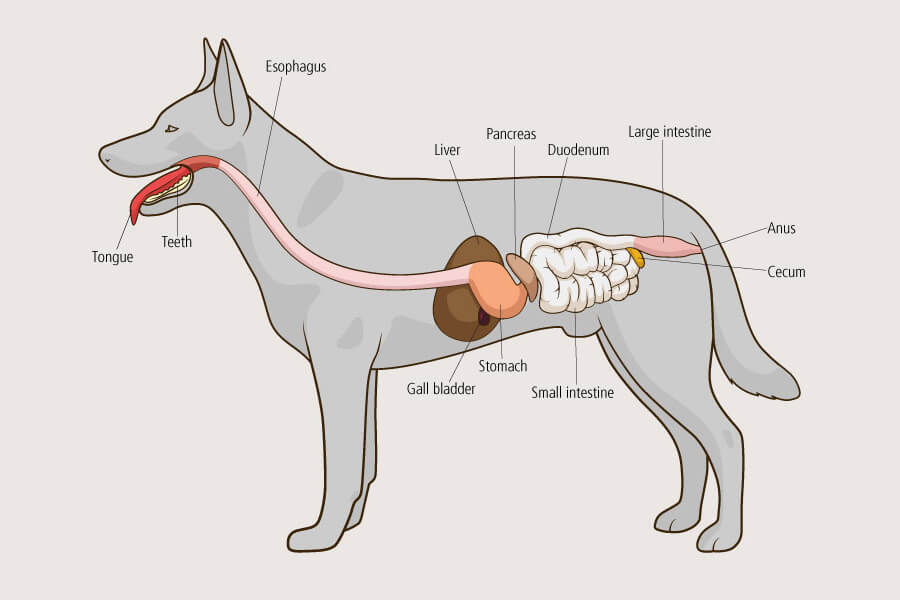
The Canine Digestive Process
- Mouth: Food enters the mouth, where it’s broken down by teeth and mixed with saliva containing enzymes.
- Esophagus: The food-saliva mixture is swallowed and passes through the esophagus into the stomach.
- Stomach: The stomach secretes gastric acid and digestive enzymes to break down proteins and fats.
- Small intestine: Nutrients are absorbed into the bloodstream in the small intestine, where most of our nutrient uptake occurs.
- Large intestine: Water and electrolytes are absorbed, and waste is formed.
Common Digestive Issues in Dogs
- Gastrointestinal Upset (GIU): A common issue caused by food allergies or sensitivities, leading to vomiting, diarrhea, or abdominal pain.
- Pancreatitis: Inflammation of the pancreas, which can cause digestive issues and even life-threatening complications.
- Dyspepsia: Stomach upset, often accompanied by nausea, vomiting, and abdominal pain.
Maintaining a Healthy Digestive System
- Feed a balanced diet: Provide a well-balanced, nutrient-rich diet that meets your dog’s specific needs, considering their age, breed, and health status.
- Avoid food sensitivities: Monitor for signs of food allergies or sensitivities, such as itching, ear infections, or digestive issues.
- Exercise regularly: Regular physical activity helps maintain a healthy gut microbiome and supports overall digestion.
- Manage stress: Stress can exacerbate digestive issues; provide a calm environment and consider stress-reducing supplements like L-theanine.
The Importance of Timing and Portion Control
- Feeding frequency: Feed your dog at regular intervals to avoid overeating or under-eating, which can lead to digestive issues.
- Portion control: Monitor your dog’s weight and adjust feeding portions accordingly to prevent overfeeding.
- Avoid overindulgence: Limit treats and snacks to prevent overloading the digestive system.
Tips for Managing Digestive Issues
- Observe your dog’s behavior: Watch for signs of digestive upset, such as vomiting, diarrhea, or abdominal pain.
- Consult a veterinarian: If you suspect digestive issues, consult with your veterinarian for proper diagnosis and treatment.
- Consider probiotics: Add probiotics to your dog’s diet to support gut health and alleviate digestive symptoms.
Understanding the Role of Gut Flora in Canine Digestion
Gut flora plays a crucial role in canine digestion, influencing nutrient absorption, immune system function, and overall health. A balanced gut microbiome is essential for maintaining a healthy digestive system. Common factors that can disrupt gut flora include:
- Antibiotics
- Changes in diet or feeding schedule
- Stress
- Environmental toxins
Managing Gut Flora Imbalance
- Feed prebiotic-rich foods: Include foods high in fiber, such as fruits, vegetables, and whole grains, to support beneficial bacteria growth.
- Avoid antibiotics: Use antibiotics judiciously, and only when absolutely necessary, to prevent disrupting the balance of gut flora.
- Provide probiotics: Add probiotics to your dog’s diet or consider a probiotic supplement to promote beneficial bacteria growth.
The Impact of Stress on Canine Digestion
Stress can have a significant impact on canine digestion, leading to digestive issues and discomfort. Common signs of stress-related digestive issues include:
- Increased appetite
- Changes in bowel movements
- Abdominal pain or discomfort
To manage stress-related digestive issues, try the following:
- Provide mental stimulation: Engage your dog in play, provide puzzle toys, and offer calming activities to reduce stress.
- Offer stress-reducing supplements: Consider adding supplements like L-theanine, chamomile, or passionflower to promote relaxation and reduce stress.
- Maintain a calm environment: Provide a peaceful and comfortable living space for your dog.
Preventing Digestive Issues in Dogs
- Feed high-quality food: Choose a well-balanced, nutrient-rich diet that meets your dog’s specific needs.
- Avoid table scraps: Refrain from sharing human food with your dog, as many ingredients can cause digestive issues.
- Provide regular exercise: Regular physical activity helps maintain a healthy gut microbiome and supports overall digestion.
Conclusion
Maintaining a healthy canine digestive system requires attention to diet, lifestyle, and stress management. By understanding the differences between dogs and humans, recognizing common digestive issues, and following practical tips for managing digestive issues, you can promote a happy, healthy digestive system for your furry friend. Remember to consult with your veterinarian if you suspect any digestive issues or concerns about your dog’s health.


