
Understanding Humidity Retention: How to Eliminate It Forever
As a homeowner, you may have experienced the frustration of dealing with humidity retention issues in your new or recently renovated home. The problem can start with small water stains and gradually escalate into severe damage, causing significant costs and stress. In this article, we will delve into the world of humidity retention, exploring its causes, effects, and solutions.
What is Humidity Retention?
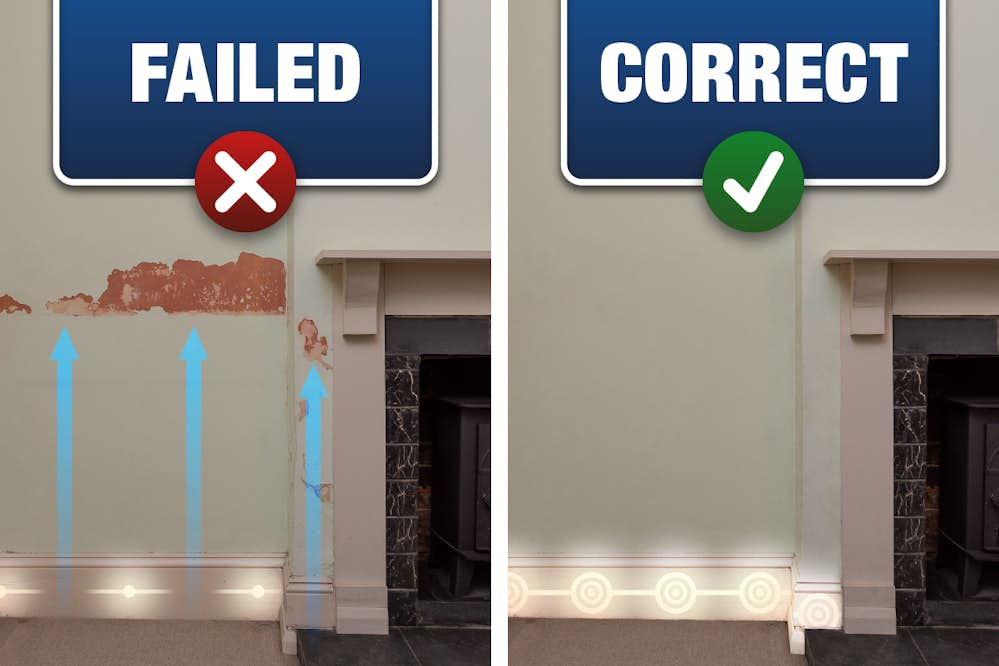
Humidity retention is a common issue in many buildings, new or old, that occurs when moisture from the soil rises through the walls, causing damage to paint and plaster. This phenomenon involves the principles of capillarity, evaporation, and electrical forces, which can lead to severe consequences if not addressed promptly.
Factors That Contribute to Humidity Retention
Several factors can contribute to humidity retention, including:
- Inadequate Impermeabilization: The walls are not properly treated with a waterproof coating or sealant, allowing water to seep through.
- Leaks from Plumbing Systems or Other Water Sources: Leaks in the plumbing system, HVAC system, or other areas of the home can cause moisture to enter the wall cavity.
- Poor Construction Techniques or Materials: The construction process may have used materials that are not suitable for retaining humidity, such as wood framing and drywall.
- Climate and Geographical Conditions: The climate and geographical location of the home can affect the level of humidity retention. For example, homes in coastal areas are more prone to humidity retention due to high levels of moisture in the air.
- Incorrect Repairs or Maintenance: Poorly executed repairs or maintenance can exacerbate humidity retention issues.
Common Mistakes in Addressing Humidity Retention
9 out of 10 interventions against humidity retention fail, often due to:
- Incorrect Identification of the Cause: Failing to accurately identify the source of the problem.
- Inadequate Analysis and Diagnosis: Not conducting a thorough analysis and diagnosis before implementing repairs.
- Poorly Designed or Executed Repairs: Implementing repairs without considering long-term consequences or potential issues with drainage.
Solutions for Effective Humidity Retention Management
To effectively manage humidity retention, consider the following steps:
- Identify the Source: Determine the root cause of the issue using specialized equipment and expert analysis.
- Collaborate with Experts: Work with a qualified professional to develop a customized solution.
- Implement Corrective Measures: Execute repairs according to a well-designed plan, ensuring the elimination of any underlying issues.
The Importance of Professional Assistance
Seeking the expertise of a specialized service can help prevent unnecessary costs and ensure long-term solutions. By consulting a reputable company like Archimede Group, you can gain valuable insights into the issue and develop an effective strategy for addressing humidity retention.
Additional Resources
For further information on managing humidity retention, consult the following:
- “7 Secrets to Eliminate Humidity”: A comprehensive guide available for free on the Archimede Group website.
- Archimede Group’s Expert Analysis and Consultation Services: Register now to access expert advice and support.
Prevention Strategies
To prevent humidity retention issues, consider implementing the following strategies:
- Regular Maintenance: Regularly inspect the home’s exterior for signs of moisture intrusion.
- Waterproofing Treatments: Apply waterproof coatings or sealants to walls and floors to prevent water damage.
- Drainage Systems: Install proper drainage systems, such as French drains, to direct water away from the foundation.
- Insulation: Ensure that insulation is adequate in all areas of the home.
Conclusion
Humidity retention is a common issue that can have severe consequences if not addressed promptly. By understanding its causes, effects, and solutions, homeowners can take proactive steps to prevent damage and ensure long-term property value.


