
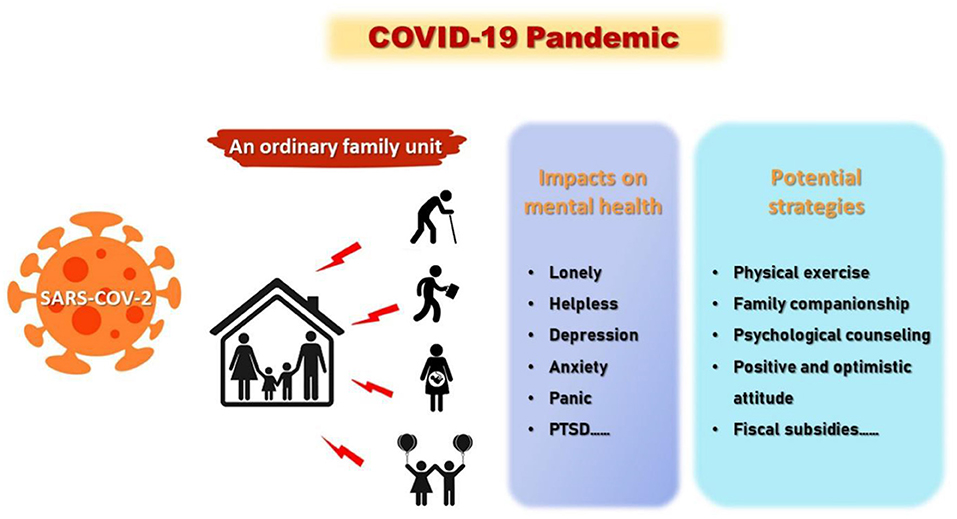
The Psychological Consequences of COVID-19: Understanding the Impact
The COVID-19 pandemic has revolutionized our lives, bringing about significant changes to our daily routines. From the moment we woke up this morning, we have been forced to adapt to a new reality, one that is both challenging and isolating.
As we navigate this uncharted territory, many of us are struggling with unprecedented levels of stress, anxiety, and uncertainty. The psychological consequences of COVID-19 are far-reaching, affecting not only those who have contracted the virus but also those who have been impacted by its economic and social repercussions.
The Rise of Mental Health Concerns
In recent months, mental health professionals have reported an increase in cases of depression, anxiety, and other related disorders. The lockdowns, social distancing measures, and uncertainty surrounding the pandemic have taken a toll on our collective well-being.
Young people, in particular, are struggling to cope with the disruption to their education and social lives. Children and adolescents are experiencing feelings of isolation, loneliness, and disconnection from others.
The Importance of Seeking Professional Help
As we navigate this challenging period, it’s essential to recognize that seeking professional help is not a sign of weakness but rather a sign of strength. Mental health professionals can provide valuable support and guidance to individuals struggling with the psychological consequences of COVID-19.
When deciding whether to seek therapy, consider the following:
- Have you experienced a significant change in your mood or behavior? Have you noticed changes in your sleep patterns, appetite, or energy levels?
- Are you struggling to cope with stress and anxiety? Do you feel overwhelmed by the demands of daily life?
- Have you experienced feelings of isolation, loneliness, or disconnection from others?
If you’ve answered “yes” to any of these questions, consider seeking professional help. A mental health professional can provide a safe and non-judgmental space to explore your thoughts, feelings, and experiences.
Finding the Right Therapist
When selecting a therapist, consider the following factors:
- Qualifications and credentials: Ensure that your therapist has the necessary qualifications and certifications to practice in their field.
- Personal qualities: Look for therapists with empathetic and non-judgmental attitudes. They should be able to create a safe and supportive environment for you to explore your thoughts and feelings.
- Approach: Consider the type of therapy that resonates with you, such as cognitive-behavioral therapy (CBT), psychodynamic therapy, or humanistic therapy.
What to Expect from Therapy
In therapy, you can expect:
- A safe and confidential space: Your therapist will create a comfortable and non-judgmental environment for you to express yourself.
- Active listening: Your therapist will listen attentively to your concerns and respond with empathy and understanding.
- Guided exploration: Your therapist will help you explore your thoughts, feelings, and experiences in a structured and supportive way.
The Benefits of Online Therapy
In recent years, online therapy has become increasingly popular as a convenient and accessible alternative to traditional face-to-face therapy.
Online therapy offers several benefits, including:
- Convenience: You can access therapy from anywhere with an internet connection.
- Accessibility: Online therapy allows individuals with mobility issues or those living in remote areas to access mental health services more easily.
- Cost-effectiveness: Online therapy can be more cost-effective than traditional face-to-face therapy.
Coping Mechanisms for Managing Stress and Anxiety
While seeking professional help is essential, there are also several coping mechanisms that can help manage stress and anxiety during the COVID-19 pandemic:
- Exercise: Regular physical activity can help reduce stress and anxiety by releasing endorphins.
- Mindfulness practices: Mindfulness meditation, deep breathing exercises, and yoga can help calm the mind and body.
- Social connections: Staying connected with friends and family through social media, video calls, or in-person meetups can help combat feelings of isolation.
Conclusion
The COVID-19 pandemic has brought about unprecedented challenges, but it’s also presented opportunities for growth and self-discovery. By recognizing the psychological consequences of COVID-19 and seeking professional help when needed, we can take control of our mental health and well-being during this challenging time.
As we navigate this uncharted territory, let us support one another in our journey towards healing and resilience. By sharing our stories, listening to others, and seeking help when needed, we can build a stronger, more compassionate community that is better equipped to face the challenges of COVID-19.
Frequently Asked Questions (FAQs)
- Q: How long does therapy typically last?
- A: Therapy duration varies depending on individual needs and circumstances.
- Q: Is online therapy as effective as traditional face-to-face therapy?
- A: Research suggests that online therapy can be just as effective as traditional face-to-face therapy for many individuals.
- Q: What if I’m not comfortable talking to a stranger about my mental health issues?
- A: Online therapy allows you to connect with a therapist in a private and controlled environment, making it easier to feel more comfortable sharing your thoughts and feelings.
Seeking professional help is an important step in maintaining good mental health. With the right support and guidance, we can navigate the challenges of COVID-19 and emerge stronger and more resilient on the other side.


